
微小身躯,巨大贡献(完形填空)
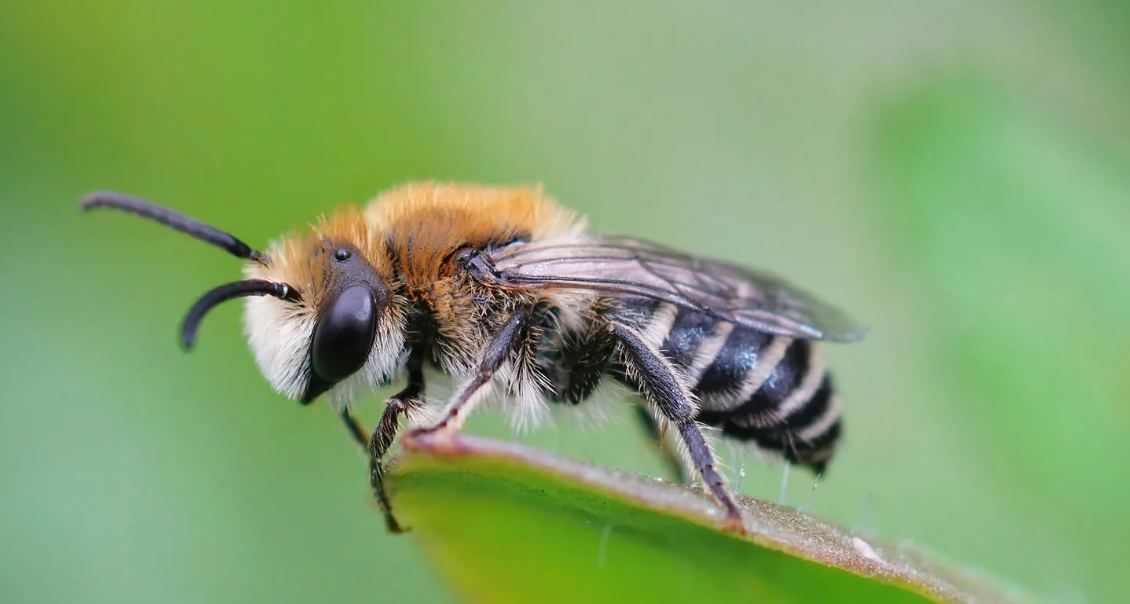
Bees are small insects with over 20, 000 different kinds in the world. You may know the honeybee and the bumblebee, but there are many more. They can be very small, about 2 mm, or quite ___1___, up to 4 cm.
Bees get all their food from flowers, eating pollen (花粉) and nectar (花蜜) which they turn into honey for storage. This relationship is mutually (相互地) ___2___: as bees fly from flower to flower collecting pollen, they carry pollen from one plant to another in a process called pollination, ___3___ is very important for plants to grow new seeds. While most bees collect pollen from many different flowers, some only visit certain types or colors of flowers, ___4___ mouth and body structures just right for collecting pollen from these specific ___5___.
In the bee world, female bees do most of the work. They make nests, find food, and ___6___ the young. Male bees do not collect pollen and usually live for a short time.
1.1.
A huge
B large
C heavy
D tall
解析:选B。B考查形容词辨析。空格处与前面的“very small”形成对比,表示体型“大”。large和huge都有“大”的意思,但huge语气更强,常指“巨大、庞大”,用于描述4厘米的蜜蜂显得过于夸张。large则更常用来描述物体的尺寸(size),用在此处表示“体型较大”最为准确得体。heavy(重的)和 tall(高的)通常不用于描述蜜蜂这类小昆虫的体型。故选B。
2.2.
A strong
B tense
C special
D beneficial
解析:选D。D考查形容词辨析。原文强调蜜蜂与花朵的关系是“双方都受益的”——蜜蜂得到食物,花朵得以授粉。在选项中,只有beneficial(有益的)能准确描述这种互利关系,而strong(强壮的)、tense(紧张的)、special(特殊的)都无法体现“相互受益”这一核心含义。故选D。
3.3.
A how
B what
C which
D where
解析:选C。C考查定语从句的关系代词。分析句子结构,“... pollination, 3 is very important...”中,空格后是一个非限制性定语从句,用来修饰前面的“pollination”(授粉)这个过程。which可以引导非限制性定语从句,指代物或事,在这里指代“pollination”。what不能引导定语从句;how和where分别表示方式和地点,不符合句意。故选C。
4.4.
A and
B with
C in
D for
解析:选B。B考查介词用法。这里需要用介词表示“具有、带有”某种身体特征。with能准确表达蜜蜂“长着适合采粉的口器和身体结构”,而and(并列连词)、in(在…里)、for(为了)均无法表达“拥有”的含义。故选B。
5.5.
A sources
B places
C seeds
D food
解析:选A。A考查名词辨析。sources意为“来源”。在文中,“these specific sources”指代的就是前文提到的“certain types or colors of flowers”(特定种类或颜色的花),即花粉的“特定来源”。places(地方)太宽泛;seeds与该句无关;food(食物)与“pollen from”重复,且范围不准确。故选A。
6.6.
A look for
B take over
C look up
D take care of
解析:选D。D考查动词短语辨析。空格处与“make nests”(筑巢)、“find food”(觅食)并列,都是雌蜂的职责。take care of是固定短语,意为“照顾”,符合“照料幼蜂”的语境。look for(寻找)、take over(接管)、look up(查阅)均与“照顾”的意思不符。故选D。
7.7.
A means
B meaning
C meant
D mean
解析:选B。B考查非谓语动词。空格前后“Most bees are solitary”(大多数蜜蜂是独居的)和“they live alone”(它们独自生活)是解释说明的关系。meaning在这里是现在分词,其作用相当于“which means”,用于引导一个解释性的短语,自然地连接了两部分,说明“solitary”这个词的含义。故选B。
8.8.
A puts
B gives
C takes
D finds
解析:选A。A 考查动词辨析。空格后的“food inside”是关键。put... inside意为“把……放进里面”,形象地描述了雌蜂将食物放入巢穴的动作,非常准确。gives(给予)后面通常接人;takes(拿走)和 finds(找到)都与“为幼蜂储备食物”的语境不符。故选A。
9.9.
A In fact
B In addition
C In contrast
D In time
解析:选C。C考查逻辑关系与固定短语。空格前一段描述了“独居蜂”(solitary bees)的生活,本句开始描述“群居蜂”(social bees)的生活,两者形成鲜明的对比。In contrast是固定短语,意为“相比之下”,用于引出对比的信息。In fact(事实上)表示强调;In addition(此外)表示补充;In time(及时)表示时间,均不表示对比。故选C。
10.10.
A feeding
B eating
C finding
D cooking
解析:选A。A考查动词辨析与固定搭配。空格前的“keep”是关键,keep doing sth.表示“持续做某事”。feed their young意为“喂养它们的幼崽”,符合群居蜂多次喂食的习性。eating(吃)的主语通常是动物自己;finding(寻找)和 cooking(烹饪)都不符合蜜蜂的行为。故选A。