
丹麦新规:15岁以下禁用社交媒体
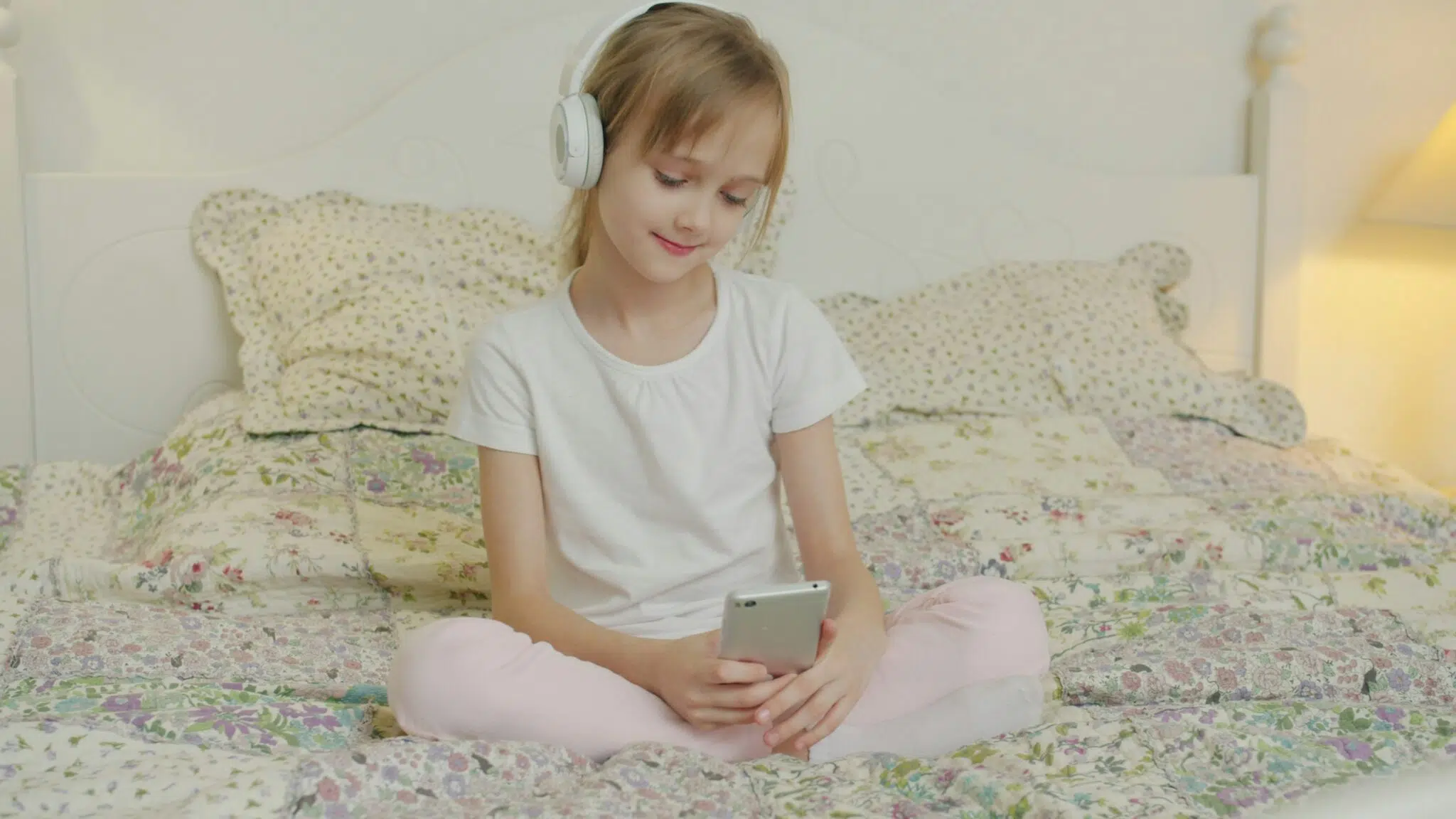
This November, Denmark outlined new regulations prohibiting social media access for children under the age of 15. The initiative follows a similar measure implemented by the Australian parliament in December 2024, which limited social media usage to teens over 16.
In discussing the new legislation, Caroline Stage, Denmark’s minister for digital affairs, cites that 94% of Danish children under the age of 13 are active on at least one social media platform, such as Snapchat, YouTube, Instagram, and TikTok. On top of that alarming statistic, Stage claims that more than half of Danes (丹麦人) under 10 years old also maintain social media profiles. The country’s landmark measure seeks to address growing concerns surrounding poor mental health in children, reducing exposure to harmful content, bullying, exploitation, and other cyber crimes across the Internet.
It’s not clear how Denmark intends to enforce these new regulations, especially in a world where screens are ubiquitous and when social media platforms already have their own restrictions in place. Many platforms, for example, have already banned children under 13 from accessing their services. TikTok, Instagram, and Facebook are among those currently incorporating AI in an effort to verify user ages based on selfies. Even so, these procedures aren’t always effective, thus requiring an additional layer of protection. Caroline Stage hints at employing the country’s national ID system, in which nearly all Danish citizens over the age of 13 participate. An age-verification app based on this system could offer a possible solution.
“We cannot force tech giants to use our app,” Caroline Stage explains, “but what we can do is force the tech giants to make proper age verification, and if they don’t, we will be able to enforce through the EU commission and make sure that they will be fined up to 6% of their global income.”
As part of the legislation, parents can grant their teens access to social media after completing a specific assessment. More details have yet to be released by the Danish government.
1.1.Why does the author cite the data (Para. 2) about children’s social media use in Denmark?
A To show its popularity.
B To highlight the urgency.
C To compare with Australia.
D To list popular platforms.
解析:选B。B推理判断题。文章第二段引用数据(94%的13岁以下丹麦儿童使用社交媒体,超过一半的10岁以下儿童拥有社交账号)后,紧接着说明这一措施旨在解决儿童心理健康问题、减少有害内容接触等。数据本身不仅体现普及度(A选项),更关键的是通过触目惊心的数字揭示问题的严重性和紧迫性,从而解释立法动机。因此,作者的目的不仅是呈现现象,更是强调采取行动的迫切性。故选B。
2.2.The word “ubiquitous” in Paragraph 3 is closest in meaning to ________.
A widespread
B attractive
C necessary
D expensive
解析:选A。A词义猜测题。第三段划线单词前后语境提到“在一个屏幕……的世界中执行这些规定很困难”,因此“widespread”最贴近词义。其他选项如“有吸引力的”、“必要的”或“昂贵的”均不能准确表达此意。故选A。
3.3. How can teens in Denmark access social media under the new legislation?
A By using the national ID system.
B By getting parental approval.
C By verifying age through AI selfies.
D By getting permission from tech giants.
解析:选B。B细节理解题。文章第五段明确提到“As part of the legislation, parents can grant their teens access to social media after completing a specific assessment.”父母在完成特定评估后,可以允许青少年使用社交媒体,即青少年在获取父母的同意后可以使用社交媒体。其他选项如A(使用国家ID系统)是年龄验证手段,C(AI自拍验证)是平台现有措施,D(科技巨头许可)文中未提及。故选B。
4.4.What is Caroline Stage’s attitude toward tech giants regarding child protection?
A Indifferent and neutral.
B Understanding and patient.
C Appreciative and cooperative.
D Critical and determined.
解析:选D。D观点态度题。最后两段中,Caroline Stage指出“给过科技巨头很多机会,但他们未采取行动”,并强调“现在我们将接管主导权,确保儿童安全”。这些表述显示她对科技巨头的批评态度(未尽责)和坚决采取行动的决心,而非中立(A)、理解(B)或赞赏(C)。故选D。