
寒衣节:为逝者送寒衣,愿彼岸皆安暖(语法填空)
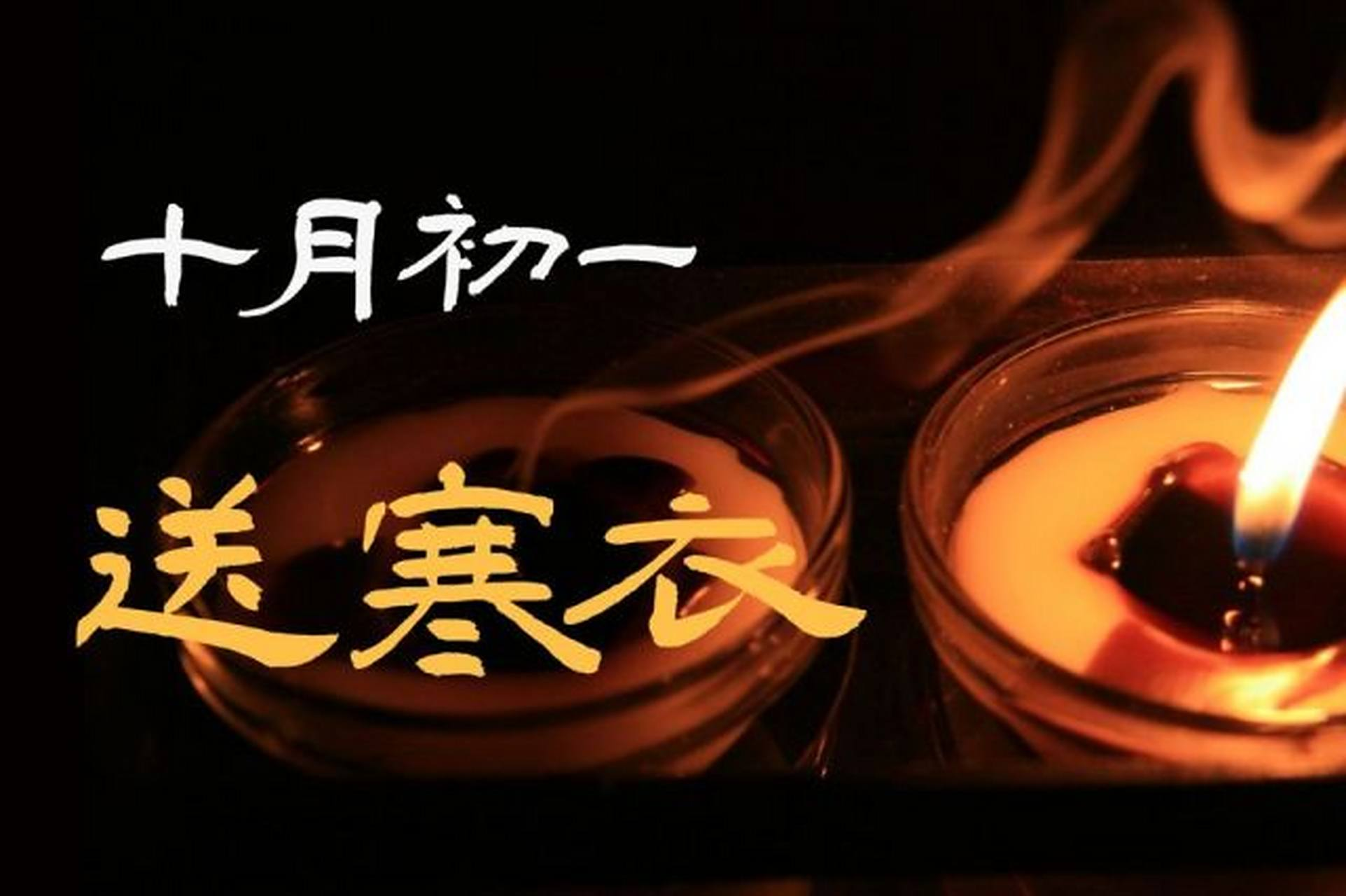
The Hanyi Festival, also known as Winter Clothing Day, is a ___1___ (tradition) Chinese festival for remembering ancestors. It falls on the first day of the tenth lunar month. Along with the Qingming Festival and the Zhongyuan Festival, it is widely ___2___(recognize) as one of China’s three main “ghost festivals”. On this day, Chinese people honor their deceased (去世的) family members and show sincere respect to their ancestors.
There are two main stories explaining the start of the Hanyi Festival. One comes from ancient China’s ___3___(agriculture) civilization. As winter approached, people put on heavy warm clothes to ward off the cold and held ceremonies to remember ancestors and gods, ___4___ (pray) for good weather and a bountiful harvest in the coming year. The other story links it to Daoist traditions, where people gathered in temples to hold activities, seeking peace, health and good luck for ___5___ (them) and their families in the next year.
The customs of the Hanyi Festival are rich in cultural meaning and are still observed by many today. Families often visit their ancestors’ tombs, bringing flowers, food and incense as ___6___ (offer) to show their remembrance. A key custom is burning paper-made clothes, a symbolic act of sending warm winter clothes to the deceased. In some regions, people also burn “paper bags of offerings” — paper packages on which the names of the deceased and their ___7___ (live) family members are written, containing other symbolic offerings.
Today, the Hanyi Festival is gradually being forgotten by some people, ___8___ (especial) young generations. However, its most essential value — remembering and respecting ancestors — remains ___9___ (importance) and precious. We should value and pass on this tradition, as it helps us understand our roots and develop a sense of respect for those ___10___ came before us.
1.1.
A
B
C
D
解析:选traditional。traditional 考查词性转换(名词→形容词)。空格后是名词“Chinese festival”,需用形容词修饰名词。括号内“tradition”是名词(传统),其形容词形式为“traditional”(传统的),符合“一个传统的中国节日”的语境。
2.2.
A
B
C
D
解析:选recognized。recognized 考查动词被动语态。句子主语“it”(指代寒衣节)与“recognize”(认可)是被动关系,结构为“be+过去分词”。前文已有“is widely”,故填“recognized”,表示“被广泛认为是中国三大主要‘鬼节’之一”。
3.3.
A
B
C
D
解析:选agricultural。agricultural 考查词性转换(名词→形容词)。空格后是名词“civilization”,需用形容词修饰名词。括号内“agriculture”是名词(农业),其形容词形式为“agricultural”(农业的),符合“中国古代的农耕文明”的语境。
4.4.
A
B
C
D
解析:选praying。praying 考查非谓语动词(现在分词作伴随状语)。句子主干为“people put on...and held...”,“pray”(祈祷)与其逻辑主语“people”是主动关系,需用现在分词形式表伴随动作,故填“praying”,说明人们举行仪式时的目的和伴随行为。
5.5.
A
B
C
D
解析:选themselves。themselves 考查反身代词的用法。空格前是介词“for”,结合语境“为……和家人祈求平安、健康和好运”,主语是“people”,them的反身代词“themselves”(他们自己)能准确对应“为自身祈福”的语义,符合逻辑。
6.6.
A
B
C
D
解析:选offerings。offerings 考查词性转换(动词→名词)和名词单复数。“as”此处意为“作为”,后接名词作宾语。“offer”的名词是“offering”。offering 作“祭品”讲时,通常以复数形式 offerings 出现。
7.7.
A
B
C
D
解析:选living。living 考查词性转换(动词→形容词)。空格后是名词“family members”,需用形容词修饰。“live”的形容词是“living”(活着的),与前文“the deceased”(逝者)形成对比,“living family members”表示“在世的家庭成员”,符合原文描述“纸上写着逝者和在世家人的名字”的语境。
8.8.
A
B
C
D
解析:选especially。especially 考查副词的用法(强调作用)。空格后是名词短语“young generations”,需用副词修饰,表强调。“especially”是“especial”的副词(尤其、特别),用于突出“寒衣节逐渐被一些人遗忘,尤其是年轻一代”,符合逻辑递进关系。
9.9.
A
B
C
D
解析:选important。important 考查词性转换(名词→形容词)。空格前是系动词“remains”(保持、仍然是),需用形容词作表语。“importance”是名词(重要);此处要用与后文“precious”(珍贵的)并列的形容词,共同描述寒衣节的核心价值,填important。
10.10.
A
B
C
D
解析:选who。who 考查定语从句关系代词。空格引导定语从句,修饰先行词“those”(指代“先辈们”),先行词指人,且关系代词在从句中作主语,故用“who”引导从句,意为“对那些先辈们产生敬意”。