
冬日懒散有缘由,运动破局有指南
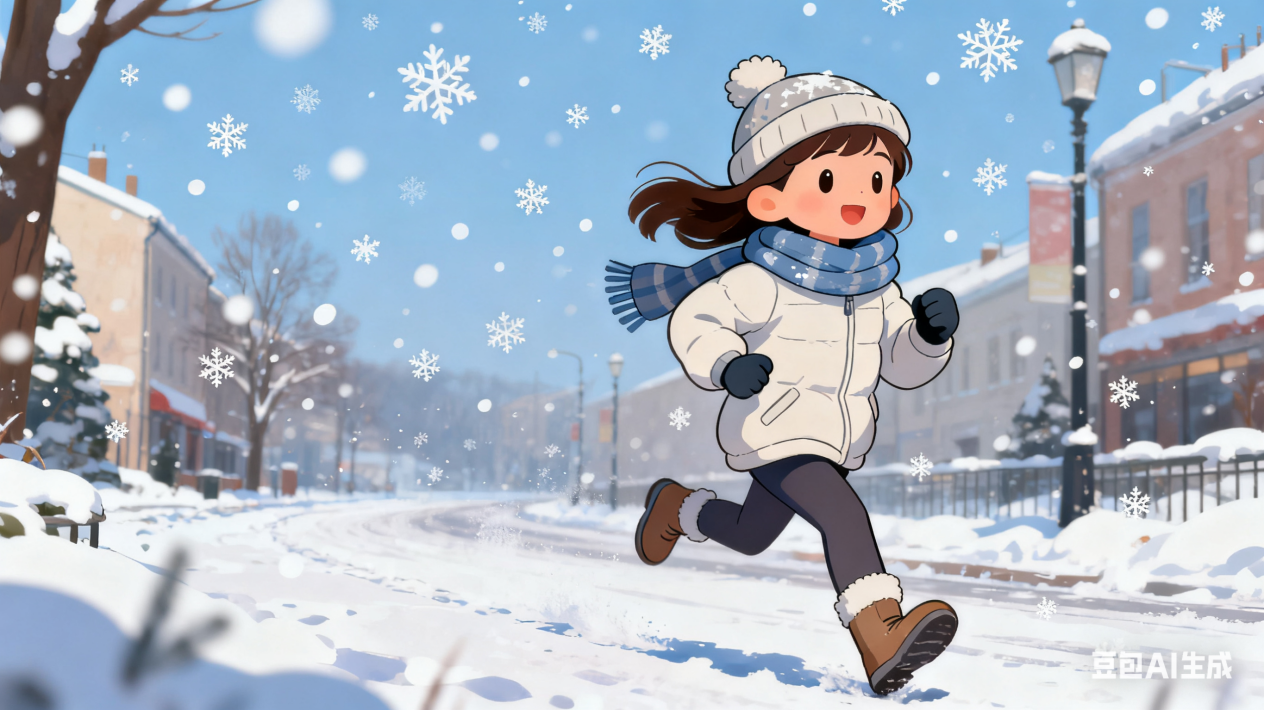
As the days grow shorter and colder, many of us find it difficult to stay active. You might look back at your summer self — running, training, and walking outdoors — and wonder, “Where did that person go?” Winter often turns us into couch lovers rather than sports lovers. But why does this happen?
There are real scientific reasons behind our winter sluggishness (不振). For some people, the lack (缺乏) of sunlight during colder months can lead to Seasonal Affective Disorder (SAD), which makes them feel low in energy and unmotivated. Also, our bodies produce less vitamin D in winter due to reduced sunlight. Vitamin D is important for bone and muscle health, and not having enough of it can affect our physical performance.
Cold weather itself makes exercise more challenging. When it’s cold outside, your body has to work harder to stay warm. Your muscles may become tense, making movement more difficult and increasing the risk of injury. In fact, studies show that people’s performance can drop by up to 30% when they exercise in the cold. What’s more, warming up takes longer and requires extra energy. And after a cold-weather workout, you might feel even hungrier than usual.
So, how can we stay motivated? Here are some helpful tips:
Think of exercise as “me time” — a chance to relax and focus on yourself.
Work out with friends to make it more fun.
Dress warmly and consider moving your activities indoors.
Reward yourself after being active.
Try to do some physical activity during your lunch break, especially when the sun is out.
Even a little movement each day can make a big difference. So, don’t let the cold keep you down — find a way to enjoy staying active this winter!
原创编写 版权所有 侵权必究 每日更新 个性化阅读 英语飙升1.1. How do people usually change in winter?
A They exercise more.
B They prefer staying in.
C They hate all activities.
D They become more energetic.
解析:选B。B 细节理解题。根据第一段的“Winter often turns us into couch lovers rather than sports lovers” 可知,冬天人们常变成爱待在沙发上的人,而非运动爱好者,即更倾向于待在室内。故选B。
2.2. What may cause SAD in winter?
A Too much rain.
B Poor diet.
C Cold houses.
D Lack of sunlight.
解析:选D。D 细节理解题。根据第二段的“the lack of sunlight during colder months can lead to Seasonal Affective Disorder (SAD)”可知,冬季缺乏阳光是导致季节性情感障碍的原因。故选D。
3.3. What can we infer about vitamin D?
A It’s made from food.
B It harms muscle health.
C Sunlight helps produce it.
D It’s useless in winter.
解析:选C。C 推理判断题。根据第二段的“our bodies produce less vitamin D in winter due to reduced sunlight”可知,冬季阳光减少,身体产生的维生素 D 也随之减少,由此可推断阳光有助于维生素 D 的生成。故选C。
4.4. Why is exercising in cold weather risky?
A Muscles may get hurt easily.
B It takes less time.
C People feel less hungry.
D Sunlight is too strong.
解析:选A。A 细节理解题。根据第三段的 “Your muscles may become tense, making movement more difficult and increasing the risk of injury” (你的肌肉可能会变得紧绷,导致行动更困难,并增加受伤风险)可知,寒冷天气下肌肉容易受伤,因此运动存在风险。故选 A。
5.5. Which tip helps stay motivated for exercise?
A Skip warm-up.
B Exercise alone.
C Reward yourself.
D Avoid sunlight.
解析:选C。C 细节理解题。根据文中给出的建议 “Reward yourself after being active” 可知,运动后给自己奖励是保持锻炼动力的方法之一。A 选项 “跳过热身” 与原文强调热身的表述相悖;B 选项 “独自锻炼” 与 “和朋友一起锻炼” 的建议不符;D 选项 “避免阳光” 与 “午餐时间做运动,尤其是有太阳的时候” 矛盾。故选 C。