
并非越多越好:室内植物的最佳配比之谜
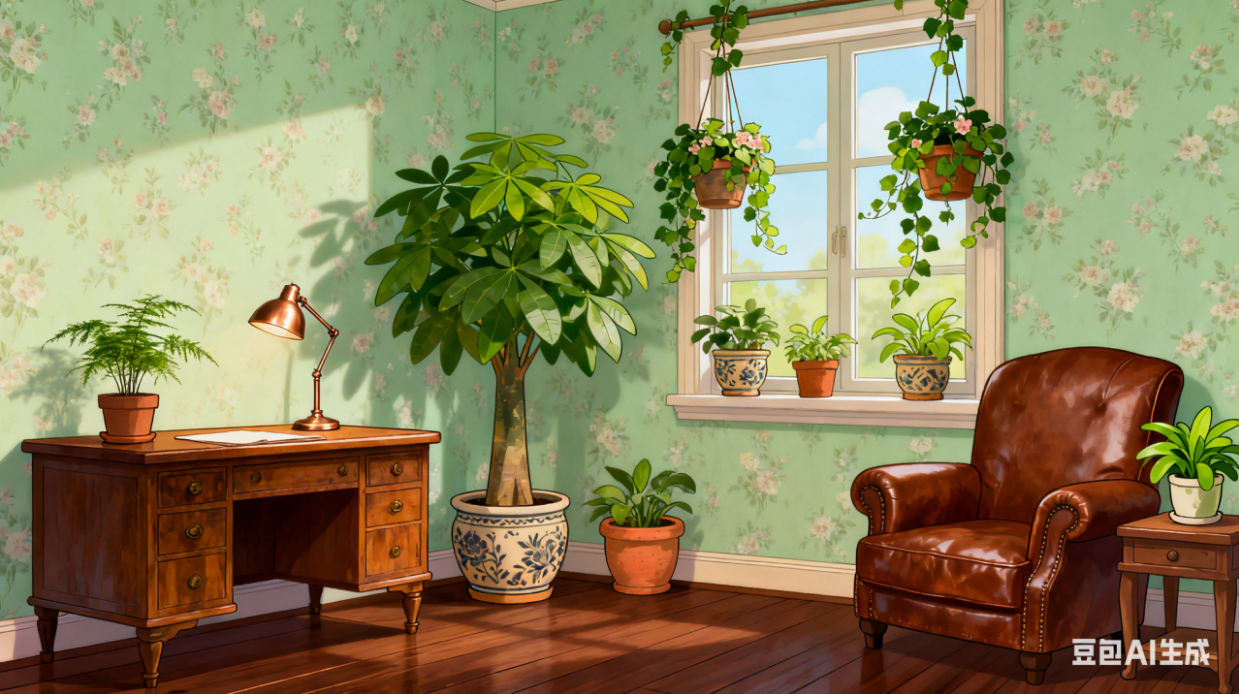
People have long decorated their homes with indoor plants. In China, for example, this practice may date back over three thousand years. However, houseplants became especially common in Europe and the United States during the mid-19th century. At that time, many people moved into crowded, polluted cities and wanted to bring a touch of nature into their homes.
Today, houseplants remain very popular. During the pandemic, their popularity grew even more as people spent more time indoors. Studies show that indoor plants can improve mental health by reducing stress and sadness. They have also been linked to better concentration and fewer sick days at work. Similarly, natural materials like wood are believed to support well-being.
But how many plants are needed to gain these benefits? Previous studies have not given a clear answer because their methods varied widely. To study this more precisely, researchers from Stanford University created a tool called Nature View Potential. It measures how much nature a person can see from a certain spot indoors. The researchers used this tool along with 3D modeling software to design different virtual office spaces. These digital rooms contained varying amounts of plants, wood, and views of nature through windows.
1.1. Why did houseplants become popular in Europe in the mid-19th century?
A Cities became cleaner and larger.
B People wanted nature in their homes.
C Plants became affordable to all.
D Homes had more space for decoration.
解析:选B。B细节理解题。第一段最后两句:“At that time, many people moved into crowded, polluted cities and wanted to bring a touch of nature into their homes.” 明确说明人们因搬入拥挤、污染的城市而希望在家中引入自然元素,因此B选项“人们想要在家中增添自然”正确。A选项与文章所述“拥挤、污染”相反;C和D选项文章未提及。故选B。
2.2. What can we infer about houseplants from the second paragraph?
A They improve work performance.
B They were rarely used in the past.
C They can cure certain mental illnesses.
D They take the place of natural materials.
解析:选A。A推理判断题。文章第二段指出室内植物“have also been linked to better concentration and fewer sick days at work”,即与更好的注意力和更少的病假相关,由此可推断它们有助于改善工作表现,故A选项正确。B选项与文章首句“Today, houseplants remain very popular”及历史描述矛盾;C选项“治愈”一词过于绝对,文章仅提到“improve mental health”;D选项文章未提及植物取代自然材料。故选A。
3.3.What is the main function of the Nature View Potential tool?
A It creates virtual office spaces.
B It counts the number of plants.
C It measures nature within sight.
D It collects feedback from people.
解析:选C。C细节理解题。文章第三段明确说明:“It measures how much nature a person can see from a certain spot indoors.” 即该工具的主要功能是测量室内某点可见的自然量,因此C选项正确。A选项是3D建模软件的功能;B和D选项文章未提及。故选C。
4.4. What does the study imply about indoor natural elements?
A Increasing them always helps.
B About 20% brings the most calm.
C Around 60% benefits most people.
D Digital versions are most effective.
解析:选B。B细节理解题。答案直接来自文章第四段的研究结果:“The results showed that a room with about 20% natural elements provided the greatest sense of calm and belonging.” 因此B选项“大约20%带来最大的平静感”正确。A选项与研究发现60%自然元素会增加压力相矛盾;C选项与60%增加压力不符;D选项文章未比较数字版本的效果。故选B。