
AI解放人力?研究警告:小心“脑力耗竭”
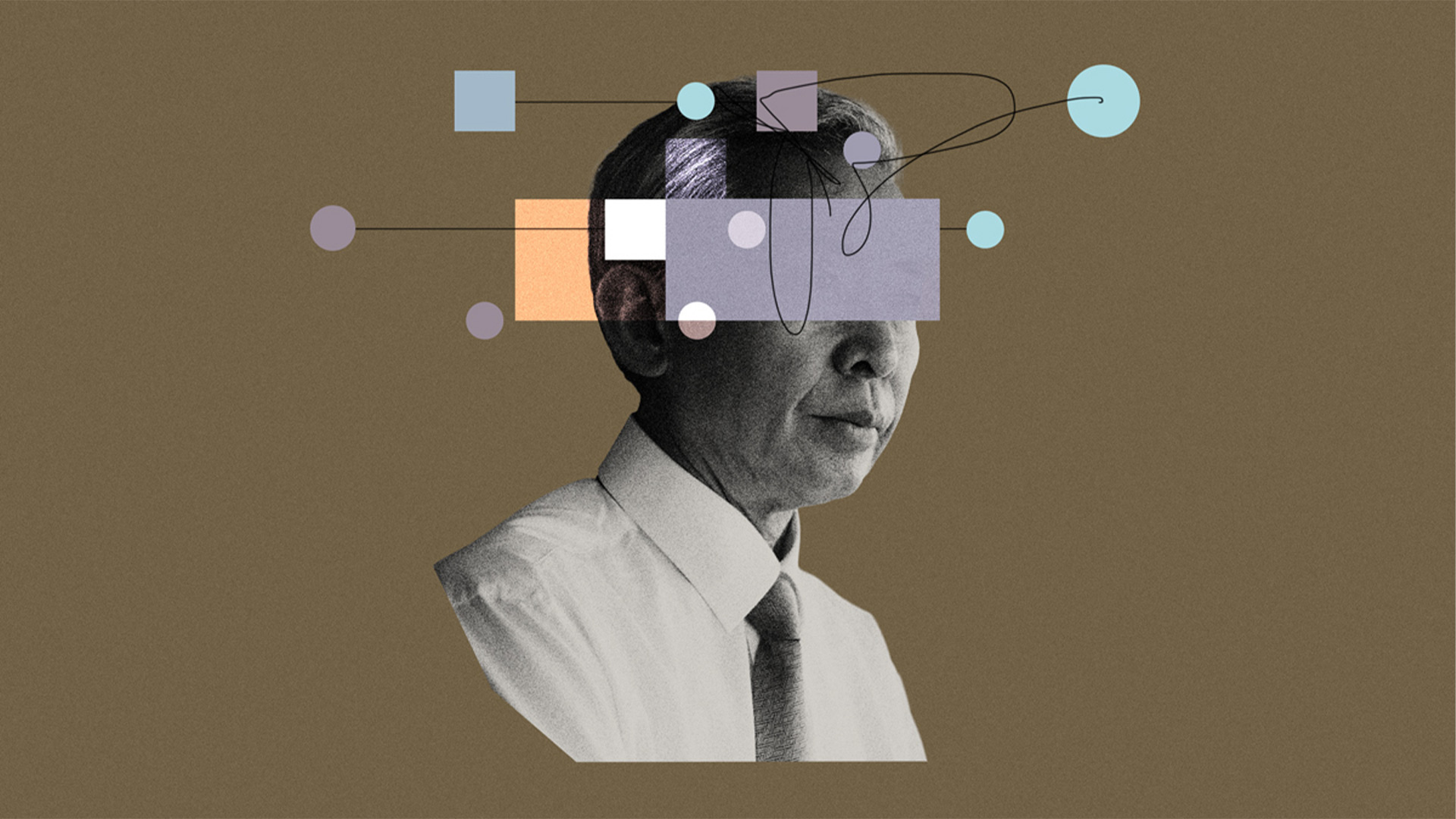
The promise of artificial intelligence has been simple: let the machines do the work. However, it may be creating a new headache in babysitting the machines. A new study published in Harvard Business Review suggests that instead of making work easier, AI may be giving some workers what researchers are calling “brain fry”. Researchers surveyed about 1,500 workers and found that people constantly moving between different AI tools reported more decision fatigue and more mistakes.
“The AI can run far ahead of us, but we’re still here with the same brain we had yesterday,” said Julie Bedard, an author of the study. She said the findings are an “early warning sign” that expectations around AI productivity may need to be adjusted. “Specifically, there are ways in which intensive oversight of AI causes a lot of mental tiredness.”
The study found a striking paradox: AI can both reduce and create burnout. When workers had to constantly watch over several AI systems at once, mental strain increased sharply. By contrast, when workers used AI to take over repetitive tasks, their stress levels dropped. Bedard explained that AI allows us to extend our abilities and workload, but this expansion can quickly become too much to handle.
For people working deeply with AI tools, the idea of “brain fry” feels familiar. Jack Downey, who uses AI daily to build automation systems, finds there is an extra mental strain that comes from AI workflows. While the technology expands what workers can do, it also raises what they’re expected to do. Downey said that setting deadlines for himself and his AI helps to limit the fry and produce a better result.
1.1. What does Julie Bedard think of present expectations of AI productivity?
A They are common.
B They are optimistic.
C They are reasonable.
D They are excessive.
解析:选D。D推理判断题。第二段中Julie Bedard指出研究结果是一个“early warning sign”,表明人们对AI生产力的期望“may need to be adjusted”,并结合她提到的“intensive oversight of AI causes a lot of mental tiredness”,可见当前期望值过高。故选D。
2.2. The underlined word “burnout” in paragraph 3 most probably means a state of ______.
A great doubt
B physical pain
C mental exhaustion
D deep disappointment
解析:选C。C词义猜测题。第三段中“burnout”与前后文的“mental tiredness”“mental strain”形成同义复现,且段落对比了AI减轻压力与增加精神负担两种情形,因此应理解为“精神耗尽”。故选C。
3.3. What method does Jack Downey use to deal with “brain fry”?
A Avoiding AI use.
B Turning to leaders.
C Setting time limits.
D Working in teams.
解析:选C。C细节理解题。第四段明确写道“Downey said that setting deadlines for himself and his AI helps to limit the fry”,即通过设定截止日期(时间限制)来应对。故选C。
4.4. What is the author’s attitude towards using AI at work?
A Strongly opposed.
B Always supportive.
C Cautiously optimistic.
D Totally indifferent.
解析:选C。C观点态度题。全文既指出AI带来的“brain fry”等问题,又在最后一段明确“the solution is not giving up AI”,而是重新思考人机互动方式,体现了谨慎乐观的态度。故选C。