As the Spring Festival holiday ended in China, a peak in return travel swept across the country. While many people chose trains or planes, those traveling by car often faced the most tiring part of the holiday — severe highway traffic jams. For example, a 10-hour drive from Hunan to Zhejiang took 15 hours during the rush, and even travelers who set off early in the morning still got stuck, as one driver traveling from Kunming to Chengdu shared.
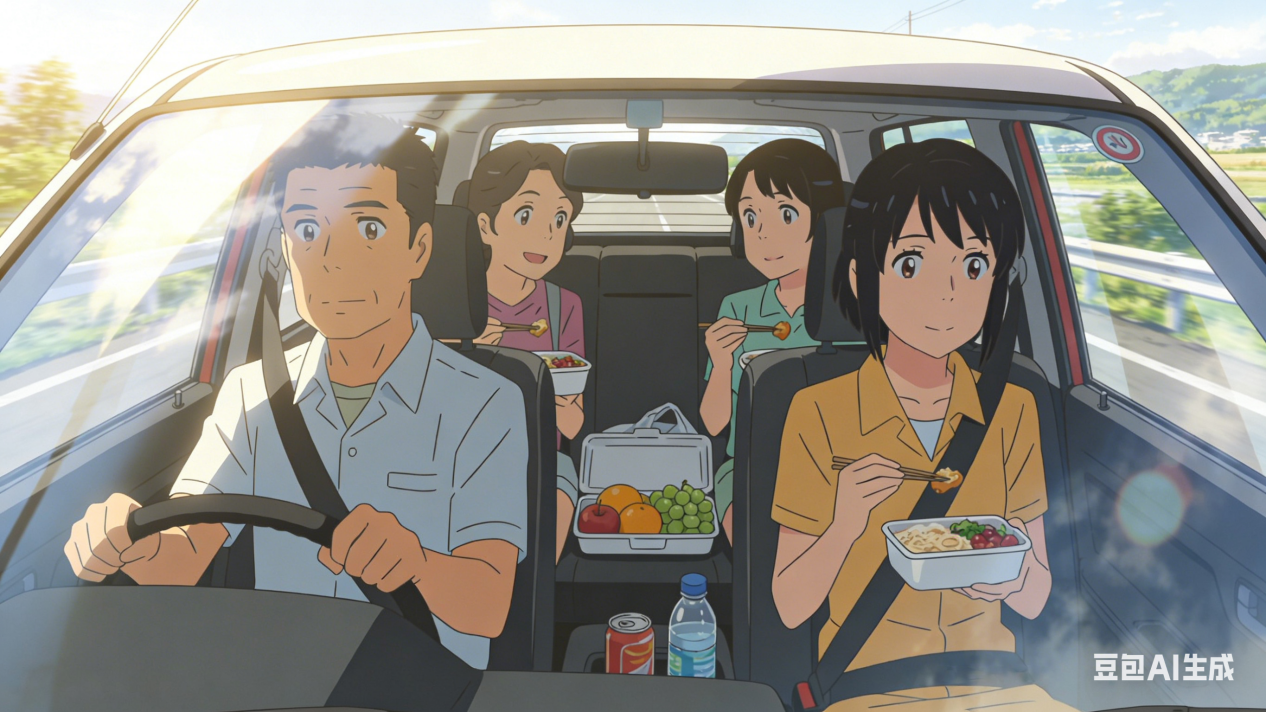
The boredom of waiting in traffic and the thought of returning to work used to ruin the happy memories of the holiday. However, this year, travelers turned the boring wait into something special with their creativity. On social media platforms like Sina Weibo and Xiaohongshu, many netizens shared their “highway meals”, with photos of food brightening up the boring journey. Some cooked with microwaves or rice cookers using power from their EVs, while others prepared hometown-style dishes. For instance, a traveler from Chongqing made his favorite noodles at a rest area, enjoying the taste of home on the road.
These warm meals not only satisfied their hunger but also kept the flavor of hometown alive, turning a simple roadside bite into a meaningful Spring Festival experience. Besides, more people faced traffic delays with optimism: a sugarcane seller stuck in traffic sold his goods at a low price, bringing warmth to the crowded highway. Such positive attitudes also helped avoid traffic accidents caused by anger or impatience.
Moreover, improved travel safety measures and strangers’ kindness added warmth to the journey. For instance, when a car rolled over on a highway in Hangzhou, police and passers-by quickly helped, and other drivers waited patiently. Today, the Spring Festival return journey is no longer an ordeal, but a shared experience full of connection and humanity, even during the longest traffic jams.
原创编写 版权所有 侵权必究 每日更新 个性化阅读 英语飙升
1.1. What was a common problem during the return travel?
A Trains were more crowded.
B Everyone faced the same trouble.
C Highway travelers met severe jams.
D Early trips avoided all traffic.
解析:选C。1.C细节理解题。根据第一段第二句,“those traveling by car often faced the most tiring part of the holiday — severe highway traffic jams”可知,开车的人遇到了严重的高速公路堵车。选项C与此描述一致。选项A原文未提及;选项B“Everyone”过于绝对;选项D与原文“even travelers who set off early... still got stuck”矛盾。故选C。
2.2. How did this year’s travelers differ from past ones?
A They complained more online.
B They found creative ways to wait.
C They ate simpler meals on the road.
D They avoided sharing their stories.
解析:选B。2.B推理判断题。根据第二段第二句,“However, this year, travelers turned the boring wait into something special with their creativity.”可推断,今年的旅客与以往不同,他们用创造力应对等待。选项B与此一致。选项A、C、D均与原文描述的积极分享、精心做饭等事实相反。故选B。
3.3. What is a benefit of positive attitudes according to the text?
A Cutting travel costs.
B Reducing road accidents.
C Improving the taste of food.
D Speeding up the whole trip.
解析:选B。3.B推理判断题。根据第三段最后一句,“Such positive attitudes also helped avoid traffic accidents caused by anger or impatience.”可知,积极态度的好处是有助于避免交通事故,即降低道路风险。选项B与此相符。
4.4. The word “ordeal” in the last paragraph probably means a ______ experience.
A painful and difficult
B happy and unexpected
C long and meaningful
D common and forgettable
解析:选A。4.A词义猜测题。根据最后一段划线词所在句,“Today, the Spring Festival return journey is no longer an ordeal, but a shared experience full of connection and humanity, even during the longest traffic jams.”中“no longer... but...”的结构可知,“ordeal”与充满人情味的积极经历相反,应表示负面的体验。结合前文堵车情境,可推断意为“痛苦的磨难”。选项A与此相符。