During the nine-day Spring Festival holiday, many Chinese tourists chose not to visit big cities but turned to lesser-known small towns and cities with strong festive vibes (气氛). These places offered a new kind of travel experience, and both domestic and international visitors enjoyed ___1___ (stay) longer.
Take Datong in Shanxi Province as an example. It became famous ___2___ (part) because of the video game Black Myth: Wukong. Sha Anna, a tourist from Beijing, visited Datong with her family to enjoy the traditional lantern show and rich culture. She thought ___3___ (high) of the local food and historical atmosphere and planned to visit again. Many similar small cities also became popular online for ___4___ (they) special traditions and delicious food.
Besides niche (小众的) cities, Neo-Chinese style places were warmly welcomed by young people. Some theme parks in Henan that mix history and ___5___ (tradition) culture were among the most popular choices. The long holiday also encouraged people to travel abroad. Countries with convenient flights and nice weather, such as Thailand, were very popular. Italy also ___6___ (see) a sharp rise in Chinese visitors during the holiday.
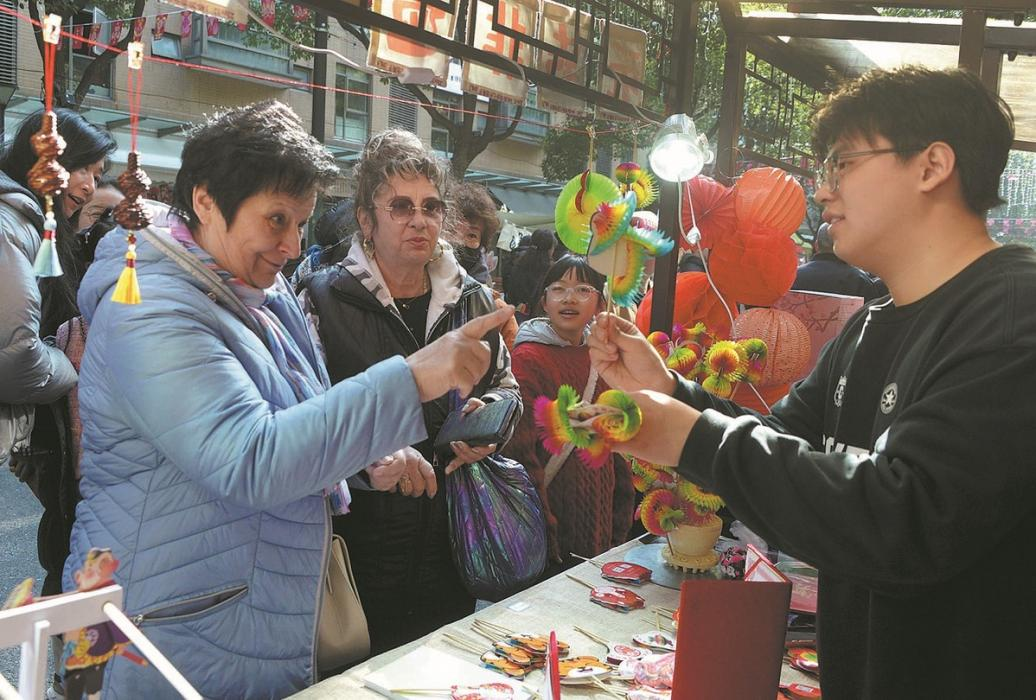
What’s more, the Spring Festival has attracted more international ___7___ (tourism). After UNESCO listed it as an intangible cultural heritage, more foreigners came to China ___8___ (experience) the festival. They showed great interest in not only big cities but ___9___ some smaller places with strong festive traditions. Their travel style changed from short visits to deep cultural experiences.
This Spring Festival travel trend shows that modern tourists prefer special, cultural and comfortable experiences, ___10___ (make) the tourism market more colorful and lively.