
《闪亮的星河》:独龙族一步跨千年
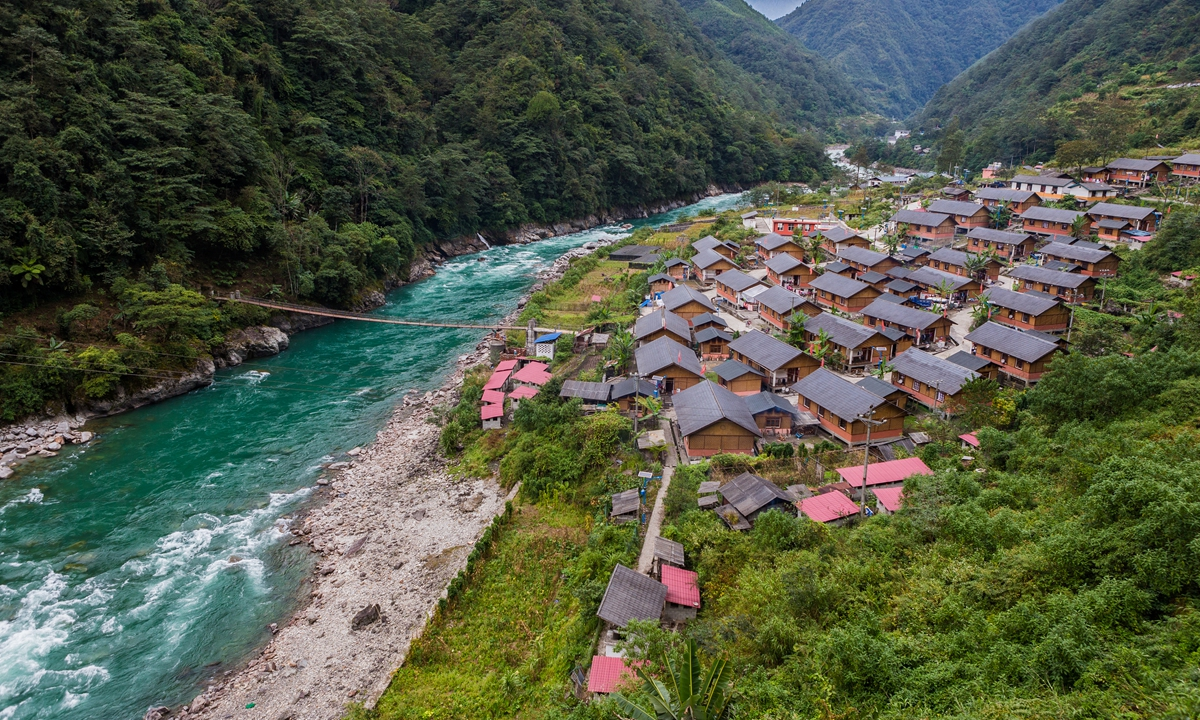
Dawn brings mist (薄雾) to the towering Gaoligong Mountains in Dulongjiang, a remote area on the China-Myanmar border in Yunnan. For local Derung children, soldiers arriving here are “bringers of light”. This touching scene appears in Duan Aisong’s novel The Sparkling Stars, which has moved many readers since the 2026 Beijing Book Fair was held.
The story is told through a young Derung boy named Nanmusa. It records how the Derung people, one of China’s smallest ethnic groups with just over 7,000 people, jumped from a primitive (原始的) society straight into modern times. For years, they lived in extreme poverty. With great efforts from the country, soldiers, teachers and doctors, they completed their amazing journey.
The writer visited the area three times and collected many true stories. Young PLA soldiers and volunteers risked their lives to help the Derung people. Locals call these kind helpers “bringers of light” and pass on their gratitude from generation to generation.
Today, great changes have taken place in Dulongjiang. Children go to modern schools, families have electricity and 5G, and local handicrafts become popular. The novel tells us that every hero who devoted their life shines like a star, guiding this ethnic group out of darkness into a bright future.
1.1.Where is Dulongjiang?
A In Beijing.
B In Yunnan.
C In Myanmar.
D In Shanghai.
解析:选B。B 细节理解题。文章第一段第一句明确提到“Dawn brings mist to the towering Gaoligong Mountains in Dulongjiang, a remote area on the China-Myanmar border in Yunnan.”(黎明给独龙江高耸的高黎贡山带来薄雾,这是云南中缅边境的一个偏远地区。)由此可知,独龙江位于云南。选项B正确。
2.2. What does “bringers of light” refer to in the text?
A Soldiers with lamps.
B Famous scientists.
C Helpful people.
D Kind teachers.
解析:选C。C推理判断题。文章第一段提到“For local Derung children, soldiers arriving here are ‘bringers of light’.”(对于当地的独龙族孩子来说,到达这里的士兵是‘光明的使者’。),第三段又提到“Young PLA soldiers and volunteers risked their lives to help the Derung people. Locals call these kind helpers ‘bringers of light’.”(年轻的解放军战士和志愿者冒着生命危险帮助独龙族人。当地人把这些善良的帮助者称为‘光明的使者’。)由此可见,“bringers of light”指的是那些提供帮助的人。选项C正确。
3.3. How did the Derung people live in the past?
A They lived a poor life.
B They lived a rich life.
C They lived a modern life.
D They lived an easy life.
解析:选A。A 推理判断题。文章第二段提到“For years, they lived in extreme poverty.”(多年来,他们生活在极度贫困中。)选项A“They lived a poor life.”(他们过着贫穷的生活。)与此意思一致。选项B(富裕)、C(现代)、D(安逸)均与原文描述相反。故选A。
4.4. How did the writer get the true stories?
A By watching films.
B By visiting the area.
C By reading books.
D By asking soldiers.
解析:选B。B 细节理解题。文章第三段第一句明确提到“The writer visited the area three times and collected many true stories.”(作者三次访问该地区,收集了许多真实的故事。)由此可知,作者是通过实地走访获得这些故事的。选项B正确。故选B。
5.5. What change has happened in Dulongjiang today?
A People have no electricity.
B Children have no schools.
C People live in old ways.
D Local crafts sell well.
解析:选D。D细节理解题。文章最后一段提到“Today, great changes have taken place in Dulongjiang. Children go to modern schools, families have electricity and 5G, and local handicrafts become popular.”(如今,独龙江发生了巨大的变化。孩子们上现代学校,家庭通电并拥有5G网络,当地的手工艺品变得受欢迎。)选项D“Local crafts sell well.”(当地的手工艺品卖得好。)与此意思一致。选项A(没电)、B(孩子没学上)、C(过旧生活)均与原文描述的积极变化相反。故选D。