
直攀北非之巅!徒步摩洛哥最高峰
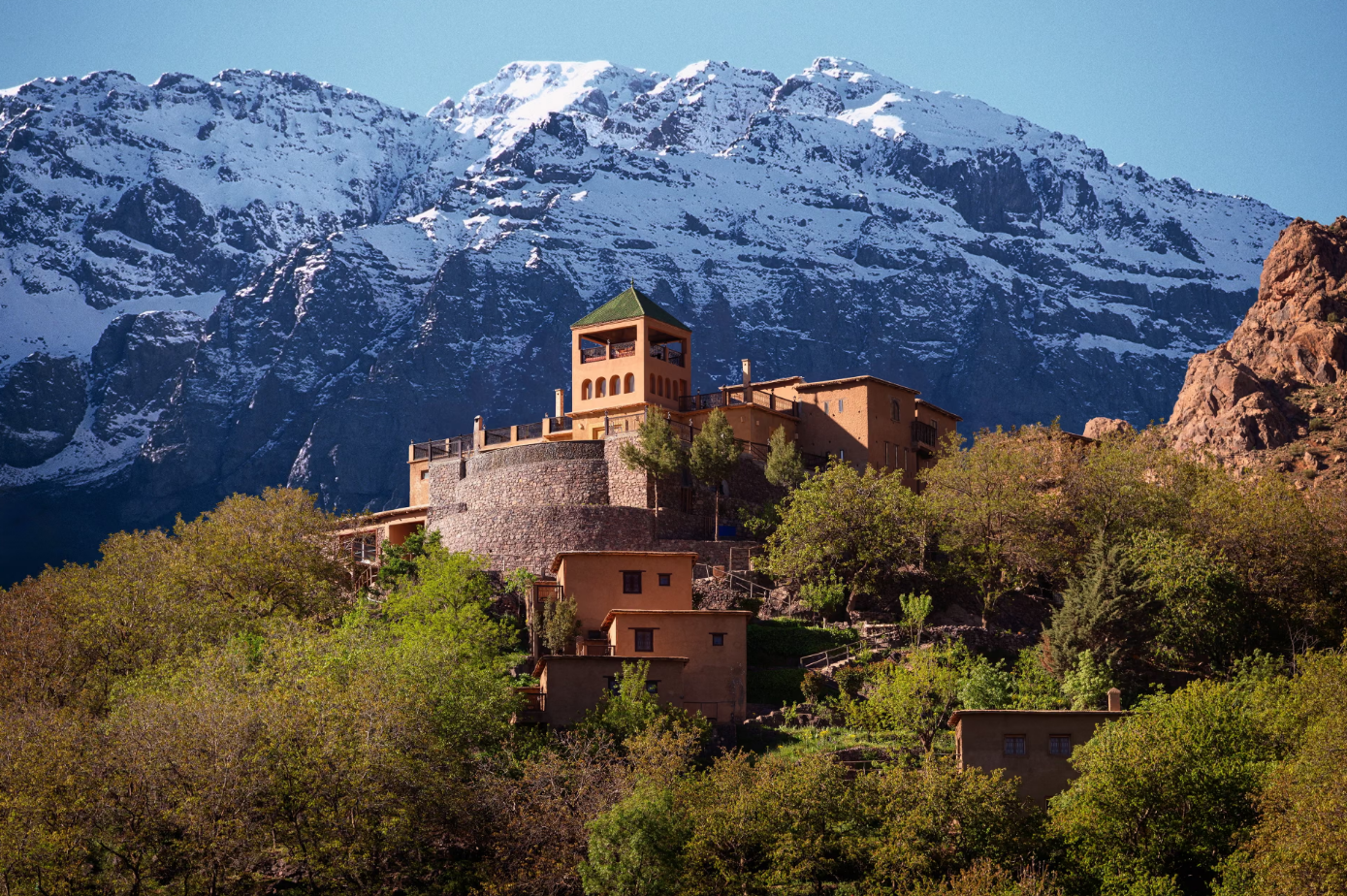
Walking up the mountain path from Imlil, my guide Hussein and I step aside to let a loaded mule pass. Looking back, I see tall houses among the trees on the lower slopes. There is a lot of building work going on, some to repair damage from the 2023 earthquake. Turning south, I see the Atlas Mountains, with snow near the top. That is where we are heading — the peak of Toubkal, the highest point in North Africa.
Hussein has been a guide here all his life. “Most people work in tourism now,” he says. “Twenty years ago, everyone grew food just for themselves. Now we’ve also planted apple trees to sell. This leaves us time for tourist work.” I ask if the change is good. He nods confidently. In a country where half the people are under 30, the young population may find it easier to accept change.
As we climb higher, we pass a small holy place. The river is almost clean, but not completely. I step into the cold water to pick up some plastic bottles. Hussein and two other guides jump in to help. “City people,” they complain. I say, “You might think that in a holy place, they would try to be clean.” This makes one guide laugh. He says: “My grandfather told me that the shrine (圣地) used to be an animal shelter and they built the dome over a dead donkey.”
The night before, I bought some amlou, a local mixture of nuts and honey, in the market. The seller made me taste it first. We then agreed on a price, and he added extra walnuts to complete the deal. This kind of face-to-face bargaining makes shopping fun. Morocco always surprises me with its honesty and its ability to make a joke.
Finally, we reach a mountain hut built for the many visitors. Mount Toubkal has become a famous peak. Hussein, always practical, sees the good side: “This means more work for guides.” For those who don’t like crowds, his answer is simple: “Go somewhere else.” There are other, quieter peaks nearby. For a moment, I am tempted, but like most, I want to stand on the highest point.
1.1. Why does the guide laugh at the writer’s comment about the holy place?
A He thinks the river is clean.
B He finds all visitors funny.
C He knows a strange tale.
D His grandfather told him jokes.
解析:选C。1.C细节理解题。第三段中,作者评论说“in a holy place, they would try to be clean”,当作者说“在圣地人们应该保持干净”时,一位导游笑着讲了一个关于圣地的离奇故事——它原本是动物棚,穹顶建在一头死驴上面,因此发笑的直接原因是他知道这个奇怪的故事。故选C。
2.2. What does the writer’s market experience mainly show?
A Amlou tastes good.
B Bargaining is interesting.
C All sellers are honest.
D Shopping takes too long.
解析:选B。2.B段落大意题。第四段作者详细描述了在市场上购买amlou的过程——品尝、议价、卖家额外加核桃,并直接点明“This kind of face-to-face bargaining makes shopping fun”,因此这段经历主要体现的是讨价还价的趣味性。故选B。
3.3. Which of the following best describes Hussein?
A Demanding and strict.
B Humorous and silent.
C Practical and positive.
D Serious and impatient.
解析:选C。3.C推理判断题。文中多次体现Hussein的务实与积极:他肯定旅游业带来的变化,说“this means more work for guides”,面对游客多的建议“go somewhere else”,这些都显示他务实且乐观。故选C。
4.4. The word “tempted” in the last paragraph most probably means _____ .
A scared
B drawn
C puzzled
D exhausted
解析:选B。B词义猜测题。最后一段中,Hussein建议作者可以去其他“quieter peaks”,作者说“For a moment, I am tempted”,紧接着用“but”转折说“like most, I want to stand on the highest point”。这个转折关系表明,“tempted”表示作者短暂地被吸引,想要接受去其他山峰的建议。选项B drawn(被吸引)最符合上下文逻辑。选项A scared(害怕)、C puzzled(困惑)、D exhausted(疲惫)代入原文均不成立。故选B。