
被嘲笑的浴缸,如何逆袭成爆款?
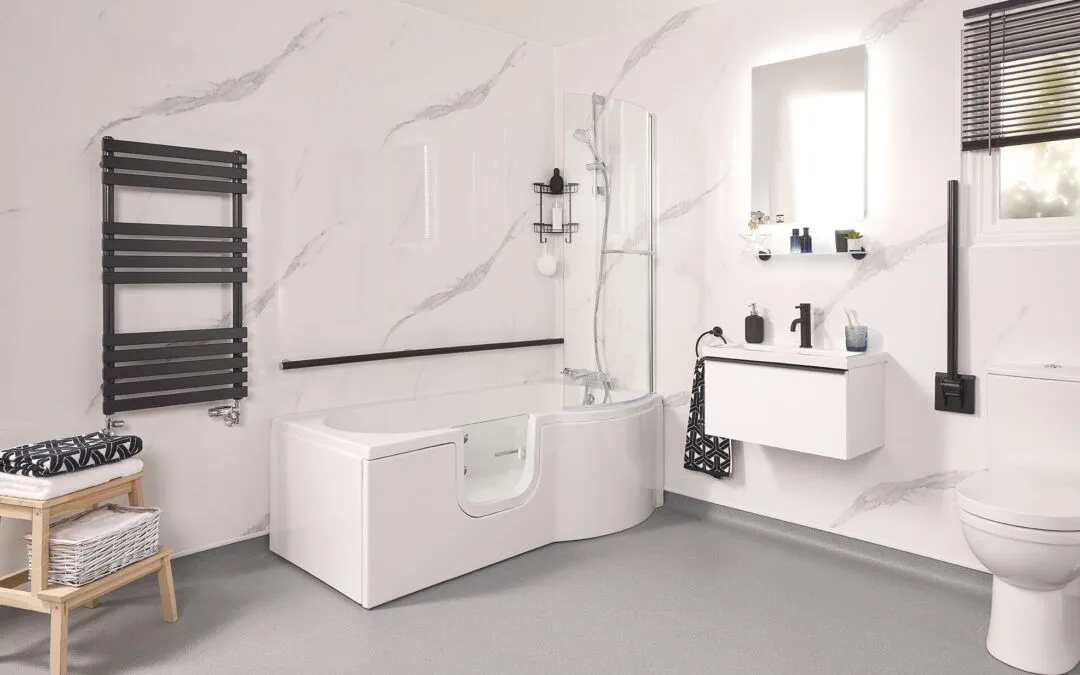
In 2003, Rob Buete, an expert in bathroom products, first saw a new kind of bathtub made by a small company. It had a small door on the side. He laughed out loud. A bathtub with a door? To him, it looked like a strange and awkward machine, only useful for very old people who had trouble stepping into a normal tub.
But Rob was completely wrong. He soon learned a valuable lesson. A friend asked him to help sell these tubs. They placed ads in a magazine for older adults and were surprised by the huge number of phone calls they received. One customer called and cried tears of joy. She told them she had not been able to take a bath in over ten years. Rob was deeply moved and became a true believer in the product. By 2005, he and his friend had bought the company.
Then, Rob noticed something unexpected. Many customers were not the older people they had first imagined. The demand came from all kinds of people. Overweight individuals found the tubs life-changing. Athletes wanted them for muscle recovery and pain relief. People with arthritis (关节炎) or back problems, both young and old, also wanted to install one. Features like massaging water jets and warm air bubbles attracted not only those with physical needs but also younger, health-conscious people looking for relaxation. Rob realized their product had a much wider appeal.
1.1.Why did Rob laugh at the bathtub at first sight?
A He thought it was a funny design.
B He felt it was a strange idea.
C He considered it poorly made.
D He believed it was unnecessary.
解析:选B。B细节理解题。文章第一段明确提到 “He laughed out loud. A bathtub with a door? To him, it looked like a strange and awkward machine”,Rob 初见这款带门的浴缸时,觉得它看起来奇怪又笨拙,认为这是个奇怪的想法,因此嘲笑它。A选项 “funny design(有趣的设计)” 文中未提及;B选项 “unnecessary(没必要的)” 与后文“for very old people”相矛盾;C选项 “poorly made(做工差)” 原文未涉及,只有B符合原文细节。
2.2.What astonished Rob and his friend after advertising?
A The high cost of the magazine ads.
B The rapid growth of their company.
C The strong response from customers.
D The difficulty of producing the tubs.
解析:选C。C细节理解题。 文章第二段明确提到,他们在老年人杂志上登广告后,“were surprised by the huge number of phone calls they received”,一位顾客甚至激动得哭了。这说明让他们惊讶的是顾客的强烈反响。A 项“广告成本”、B 项“公司快速成长”和 D 项“生产困难”均未在文中体现。故选C。
3.3. For what purpose might an athlete use this bathtub?
A To warm up before a race.
B To recover from training.
C To treat a sudden injury.
D To prepare for a competition.
解析:选B。B细节理解题。第三段中提到“Athletes wanted them for muscle recovery and pain relief”,说明运动员使用这种浴缸是为了训练后恢复。A 项“赛前热身”、C 项“处理突发损伤”、D 项“准备比赛”均未在文中提及,故 B 项正确。
4.4.What message does the author mainly want to convey through the story?
A A new invention can bring people joy.
B Marketing strategy determines product success.
C First impressions are often misleading.
D Design for the few can benefit the many.
解析:选D。D主旨大意题。文章最后一段点明主旨:“When designers focus on solving a problem for people with specific limitations, they often create solutions that benefit everyone.” 以及“What starts as a solution for a few can truly change life for the many.” 这说明作者想传达的是:为少数人设计的产品,最终可能让多数人受益。A 项“发明带来快乐”太宽泛;B 项“营销决定成功”非重点;C 项“第一印象常误导”虽在开头出现,但不是全文主旨,故 D 项最符合。