
毫无征兆就倒地?一文读懂心脏骤停
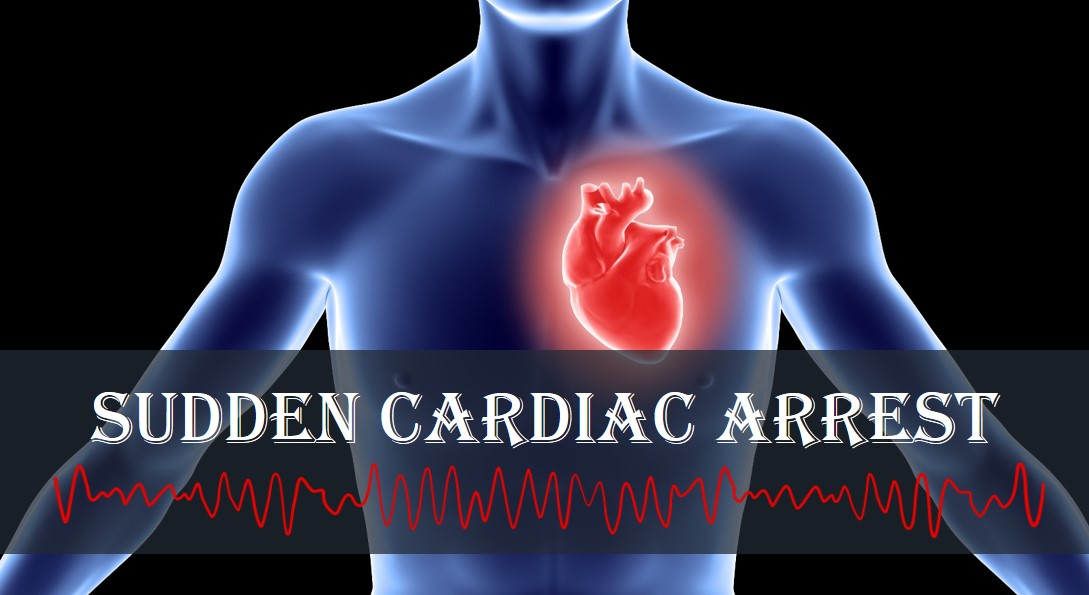
Sudden cardiac arrest is a sudden loss of all heart activity due to an irregular heart rhythm. When this happens, breathing stops and the person becomes unconscious. Without immediate treatment, it can lead to death. Emergency treatment includes CPR and the use of an AED. Survival is possible with fast and proper medical care.
Symptoms of sudden cardiac arrest are immediate and severe: sudden collapse, no pulse, no breathing, and loss of consciousness. Sometimes other symptoms may appear before it happens, such as chest discomfort, shortness of breath, weakness, or a fast-beating or pounding heartbeat. However, because sudden cardiac arrest often occurs with no warning at all, knowing how to respond in the moment is critical.
If you see someone who is unconscious and not breathing, call emergency services immediately and start CPR. Push hard and fast on the person’s chest, about 100 to 120 compressions per minute. If you have been trained in CPR, give rescue breaths after every 30 chest compressions. If not, just keep doing chest compressions until an AED is available or help arrives. Acting quickly in this way is essential, but understanding why cardiac arrest happens can help in both prevention and response.
The most common cause of sudden cardiac arrest is an irregular heart rhythm called ventricular fibrillation. Rapid and uncontrolled heart signals cause the lower heart chambers to quiver without effect instead of pumping blood. Several heart conditions can lead to this, including coronary artery disease, heart attack, an enlarged heart (cardiomyopathy), heart valve disease, heart problems present at birth, and heart signaling conditions such as long QT syndrome.
1.1. Why does the author mention “no warning at all” in paragraph 2?
A To explain the difficulty of symptom identification.
B To stress the necessity of immediate response.
C To indicate the rarity of early signs.
D To argue against preventive measures.
解析:选B。B推理判断题。文章第二段先提到心脏骤停有时会出现胸痛、气短等先兆症状,随后用“however”转折,强调它“often occurs with no warning at all”,紧接着指出“knowing how to respond in the moment is critical”。由此可推断,作者提及“毫无征兆”是为了强调在突发情况下立即采取正确应对措施的必要性,故B项正确。A项“解释症状识别的困难”虽与“无征兆”相关,但未触及作者强调“应对”的核心意图;C项“表明早期迹象罕见”仅为字面信息,未体现作者的写作目的;D项“反对预防措施”与文章最后一段提倡预防的内容相悖。故选B。
2.2. What should an untrained person do in a cardiac arrest emergency?
A Perform rescue breaths first.
B Continue chest compressions.
C Wait for an AED to arrive.
D Check the pulse repeatedly.
解析:选B。B细节理解题。根据文章第三段中“If not, just keep doing chest compressions until an AED is available or help arrives.”(如果未受过培训,就持续进行胸外按压,直到AED可用或救援到达)可知,对于未受训者,正确的做法是持续进行胸外按压。A项“先进行人工呼吸”、C项“等待AED到达”和D项“反复检查脉搏”均与文中的明确指令不符。故选B。
3.3. What does the underlined word“quiver” in paragraph 4 most likely mean?
A Expand slowly.
B Shake weakly.
C Beat strongly.
D Stop suddenly.
解析:选B。B词义猜测题。第四段描述室颤时,上下文说心脏下腔室“quiver uselessly instead of pumping blood”(不能泵血),可知这个动作是无效的。结合“室颤”时心脏快速无规律颤动,可推断quiver意为“微弱颤抖”。A“缓慢扩张”、C“有力搏动”、D“突然停止”均与语境不符。故选B。
4.4. What is the main purpose of the last paragraph?
A To list heart disease symptoms.
B To explain cardiac arrest causes.
C To suggest heart-healthy habits.
D To describe emergency response.
解析:选C。C段落大意题。最后一段首句“Keeping the heart healthy may help prevent sudden cardiac arrest”及后续列举的健康饮食、规律运动等措施,均旨在建议有益心脏健康的习惯。选项C“To suggest heart-healthy habits”准确概括段落主旨。故选C。