别怕尝试新事物!这是大脑最好的“健身操”
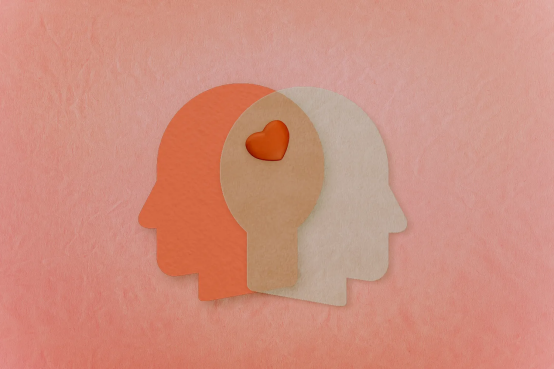

When was the last time you tried something new? The idea might sound scary, but novel experiences can do wonders for your personal growth. It can also challenge you — in a good way — and help you learn about your thoughts, strengths, habits, and emotions. Mental health experts share the benefits of trying new things, plus tips to make it happen.  

“It might go against the common belief, but new experiences can actually reduce your stress levels,” shares PsyD Stephanie Steele-Wren. That’s because taking (safe) risks will help you get comfortable with discomfort. As Jillian Amodio, therapist and psychology professor, explains, while trying new things can provoke anxiety, learning how to effectively move through the experience (instead of avoiding it) allows you to grow neural pathways and thought processes that prepare you for future challenges. Steele-Wren shares a similar concept: “If you avoid anything unfamiliar, your body never learns that uncomfortable feelings can pass without anything bad happening.”
“Doing the same old thing day in and day out makes your brain go on autopilot,” Steele-Wren says. However, when you shake up your usual routine, even in small ways, your brain gets a wake-up call. “It keeps your brain sharp and contributes to what we call neuroplasticity (神经可塑性), where your brain is constantly evolving to adapt to all the changes around you,” she says.
The more you try new things, the more confidence you’ll have. As Amodio explains, confidence can be built and grown through lived experiences, specifically through exposure to manageable challenges. Over time, these challenges can develop the self-esteem needed to continue pursuing new things, bigger challenges, and goals.
Some experiences, like volunteering or joining a book club, involve activities with other people. This can pave the way for positive social engagement, which can increase oxytocin (催产素) and reduce stress hormones, Krista Norris, LMFT, says. “Trying new things also expands your worldview, which can help you better relate and connect to others, understand others’ lived experiences more, and create lasting connections with others in your community or circle of inclusion,” Amodio adds.
Now, you don’t have to do something new every day to reap the benefits. Steele-Wren says once a week is a solid starting point, as it’s enough to make a difference without causing overwhelm. While you’re at it, consider these tips.
原创编写 版权所有 侵权必究 每日更新 个性化阅读 英语飙升

1.1. What do people usually believe according to the text?

A New things benefit the brain.

B New experiences raise stress.

C Unfamiliar things build confidence.

D Uncomfortable feelings are harmless.

解析:选B。B细节理解题。题干询问“根据文章,人们通常相信什么?”关键在于理解文章第二段第一句:“It might go against the common belief, but new experiences can actually reduce your stress levels”(这可能与普遍看法相反,但新体验实际上可以减轻你的压力水平)。这句话明确指出,大众普遍的看法(common belief)与新体验能减压这个事实是相反的。既然事实是新体验减压,那么大众普遍的看法就是新体验会增加压力。选项B “New experiences raise stress”(新体验会增加压力)与此完全吻合。选项A、C、D都是文中提到的专家观点或事实,但它们是作者要阐述的真相,而非大众的普遍看法。故选B。

2.2. Who holds that new activities keep the brain active?

A Stephanie Steele-Wren.

B Jillian Amodio.

C Krista Norris.

D All of the above.

解析:选A。A细节理解题。第三段均为 Stephanie Steele-Wren 的观点,她提到 “when you shake up your usual routine… It keeps your brain sharp”,明确指出新事物能让大脑保持敏锐、活跃。Jillian Amodio 侧重成长与自信,Krista Norris 侧重社交与压力,均未提及 “让大脑活跃”。故选A。

3.3. What is a benefit of trying new things in a group setting?

A Improving memory greatly.

B Building social connections.

C Increasing learning efficiency.

D Reducing the fear of failure.

解析:选B。B细节理解题。题干询问“在群体环境中尝试新事物的一个好处是什么?”关键在于理解文章中与群体活动相关的内容。文章第五段第一句提到:“Some experiences, like volunteering or joining a book club, involve activities with other people. This can pave the way for positive social engagement...”(一些体验,如志愿者活动或加入读书俱乐部,涉及与他人一起的活动。这可以为积极的社交参与铺平道路……)。随后,Amodio补充说这有助于“与他人建立持久的联系”。因此,在群体环境中尝试新事物的核心好处是建立社会联系。选项B “Building social connections”(建立社会联系)准确地概括了这一点。故选B。

4.4. What will the author most probably talk about next?

A Types of social activities.

B Reasons to avoid challenges.

C Ways to try new things.

D Results of daily routines.

解析:选C。C推理判断题。文章最后一句 “consider these tips”(请参考这些建议)是明显的承上启下提示,说明下文最可能介绍尝试新事物的具体方法 / 建议。A(社交活动类型)、B(回避挑战的原因)、D(日常惯例的结果)均与结尾逻辑不符,故选 C。