
春日挖野菜:重拾自然里的烟火与诗意
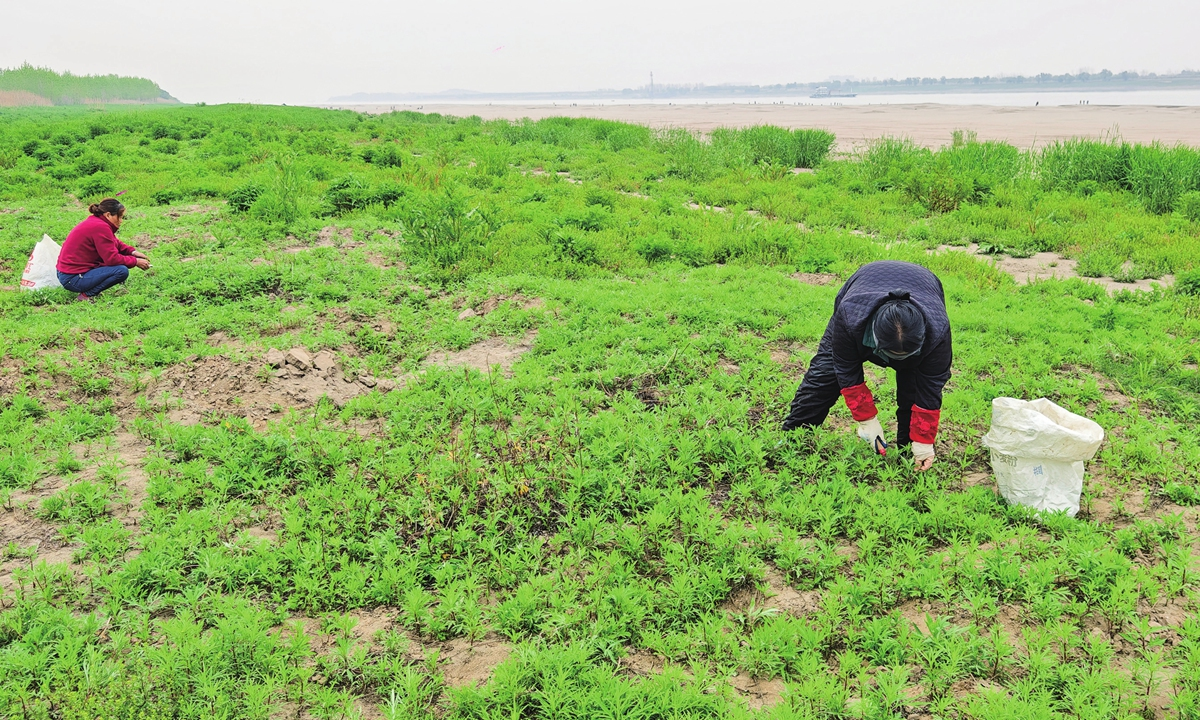
As spring comes to Beijing, Mai Dou, a 30-year-old mother, often goes to the suburbs with her child to collect wild greens such as shepherd’s purse and dandelion greens. What started as simple fun has become a family tradition. She shares her experiences on Xiaohongshu, where countless people exchange foraging routes, plant identification skills and cooking recipes. Today, picking wild “spring greens” has become a popular activity across China, attracting more and more people to parks, fields and riverbanks.
This trend reflects people’s desire to return to nature. According to experts, foraging for wild greens requires only basic tools and costs almost nothing, unlike expensive organized camping. It allows young people to slow down, feel the soil and enjoy simple natural pleasures that are easily overlooked in today’s digital world. In fact, collecting spring greens has long been part of Chinese life. In the past, villagers picked them when fresh vegetables were scarce. As one professor noted, eating seasonal greens is deeply rooted in Chinese food culture, showing our lasting bond with nature.
For many enthusiasts, the experience means more than the food itself. It is a pleasant walk in the sunshine and fresh air, a chance to enjoy time with family or friends. People cook the greens into pancakes or stir-fries, gaining great satisfaction from the whole process. However, not everyone picks greens in person; most urban residents buy Chinese toon (香椿), bamboo shoots and other seasonal vegetables from markets or online. Thanks to improved cold-chain logistics, these special spring foods are now widely available, and online searches for them have increased greatly this season.
Although spring greens are nutritious and delicious, safety is important. Experts warn that some wild plants look similar to edible ones but are actually harmful. Besides, certain greens like Chinese toon should be blanched (焯) in boiling water first to reduce bitterness and protect the stomach. This beloved spring activity not only offers tasty seasonal flavors but also helps modern people find relaxation and happiness by connecting with nature.
原创编写 版权所有 侵权必究 每日更新 个性化阅读 英语飙升1.1.What is the main idea of Paragraph 1?
A A mother’s family tradition.
B The popularity of foraging.
C How to cook wild greens.
D Scenery of Beijing suburbs.
解析:选B。B段落大意题。第一段以 Mai Dou 母子的具体事例开头,但随后迅速扩展到“如今,挖野菜已成为中国各地流行的活动”,并提到小红书上大量人分享经验。因此,本段的核心并非讲述某个家庭的个别传统(A),也不是介绍烹饪方法(C)或描写郊区景色(D),而是强调挖野菜这一行为的广泛流行(B)。A 选项仅为例证,不能概括全段。故选B。
2.2. What do experts think of foraging?
A Costly but fun.
B Simple and cheap.
C Useless for modern people.
D Always better than camping.
解析:选B。B细节理解题。第二段中专家明确表示:“挖野菜只需要基本工具,几乎不花什么钱,不像昂贵的露营活动”。这直接对应“简单且便宜”(B)。A 选项“昂贵但有趣”与原文相反;C 选项“对现代人无用”与专家所说“让年轻人慢下来、享受自然”矛盾;D 选项“总是比露营好”属于过度推断,原文仅对比成本,未比较其他方面。故选B。
3.3. What does “them” in Paragraph 3 refer to?
A Cooking methods.
B Urban residents.
C Seasonal vegetables.
D Cold-chain logistics.
解析:选C。C词意指代题。前文提到“大多数城市居民从市场或网上购买香椿、竹笋等时令蔬菜”,随后说“由于冷链物流改善,这些春季特色食物随处可得,线上搜索量大幅增加”。根据逻辑和就近原则,“them” 指代的正是前文提到的“these special spring foods”,即“时令蔬菜”(C)。A“烹饪方法”、B“城市居民”、D“冷链物流”均不符合上下文。故选 C。
4.4. What is the author’s attitude toward foraging?
A Doubtful about its safety.
B Completely objective.
C Positive and supportive.
D Critical about its popularity.
解析:选C。C观点态度题。全文多次使用积极词汇:流行、回归自然、简单快乐、文化传统、满足感、放松幸福等。尽管最后一段提到安全提醒,但这是理性建议而非否定活动本身。作者并未怀疑(A)、完全客观(B)或批评(D),而是明显持肯定和支持态度(C)。安全提醒恰恰是为了让这项有益活动更好地开展。故选 C。