
Fly By Jing创始人高婧:一口辣酱闯天下
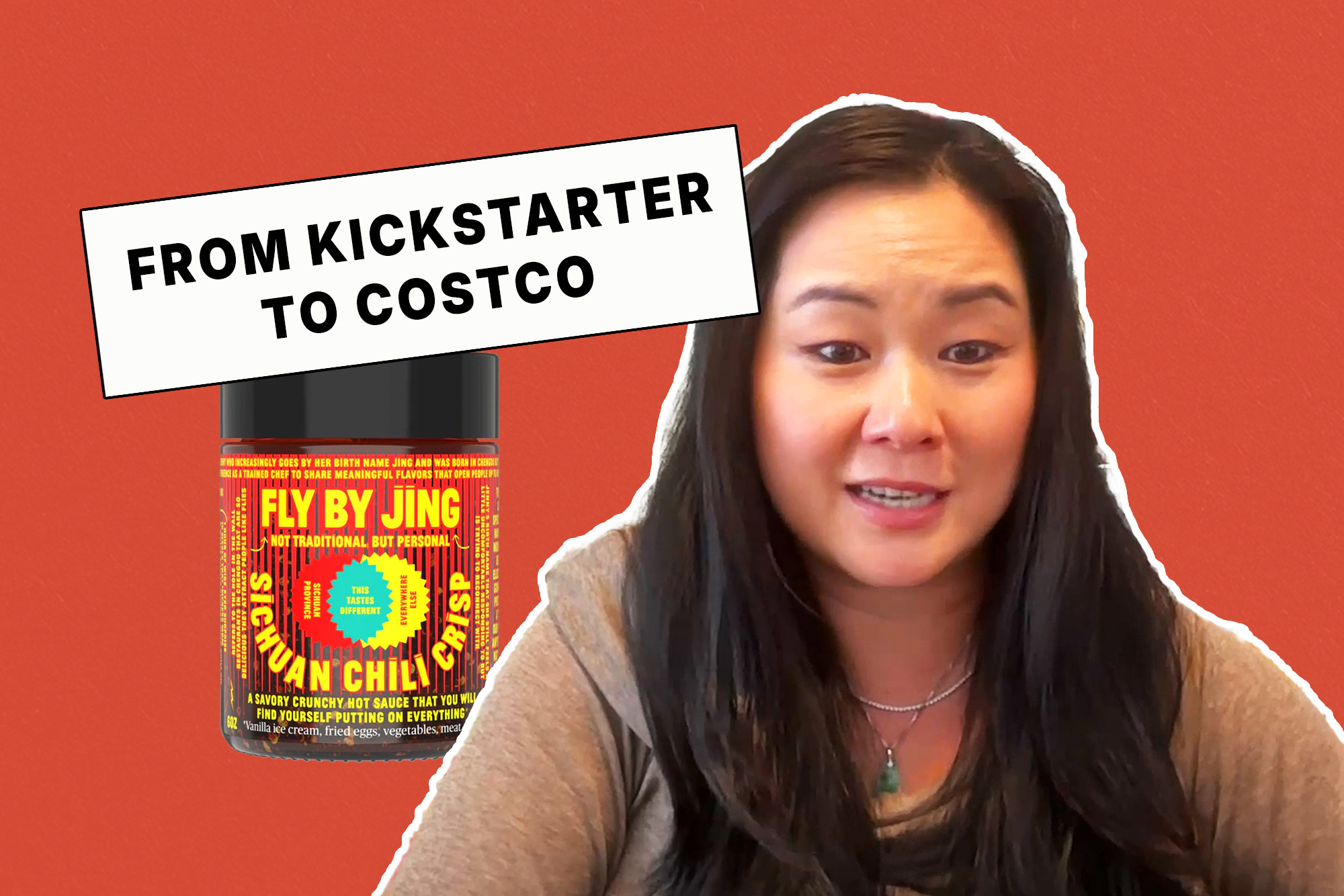
Gao Jing is the founder and CEO of Fly By Jing, a spicy Chinese sauce and noodle brand. Jing was born in Chengdu in China’s Sichuan province and grew up “around the world,” as she puts it. She originally followed a traditional business path, working in tech, before a move back to China drew her back to food and her cultural roots. She studied with master chefs, opened an award-winning modern Chinese restaurant in Shanghai, and launched Fly By Jing as an underground supper club. That pop-up project evolved into a pioneering packaged-food brand that’s now on shelves at over 12,000 retailers across the country.
Jing delayed launching her Kickstarter campaign for months because, she admits, she was a bit terrified. But she reframed it as proof of concept: if people wouldn’t back her Kickstarter, why uproot her entire life in Asia to launch in LA? She studied successful campaigns, cold-emailed journalists, and put all her effort into it. Within the first day, she was fully funded. The campaign exceeded its goal by several thousand percent.
One of Jing’s most powerful pieces of advice for aspiring entrepreneurs: watch your layers of innovation or risk confusing customers. Fly By Jing introduced a textured hot sauce — something that required a spoon, not a squeeze bottle — while also redefining what Chinese food could mean to Western consumers. That’s multiple layers of innovation stacked on an unfamiliar category. It worked, but it required immense effort. Her advice? “Take what already is out there and then add maybe one level of innovation so that it’s easier for people to understand, accept, and not so difficult for you to make a splash.”
1.1. What does the underlined part “reframed it as proof of concept” mean?
A Regarded it as a test.
B Treated it as a duty.
C Considered it a failure.
D Saw it as a habit.
解析:选A。A词义猜测题。画线部分所在段落提到,高婧因害怕而推迟了众筹活动,但她转而将其视为“proof of concept”:如果人们不支持众筹,就没有必要为了在洛杉矶创业而彻底改变在亚洲的生活。随后她研究成功案例、联系记者并全力投入,结果第一天就完成众筹目标。这里的“proof of concept”显然指通过实际行动验证想法是否可行,与“test”(测试、验证)含义最接近。选项B“视为责任”、选项C“视为失败”与积极行动并超额完成目标的结果矛盾;选项D“视为习惯”与语境完全不符,故A为正确答案。
2.2. What does Jing advise aspiring entrepreneurs to do?
A Ask stars for support.
B Copy popular products.
C Open physical stores.
D Add limited innovation.
解析:选D。D细节理解题。第三段明确提到高婧的核心建议:“Take what already is out there and then add maybe one level of innovation”,即在现有基础上只增加一层创新,避免因多重创新叠加导致消费者困惑。选项D“添加有限的创新”与此完全一致。选项A“寻求明星支持”、选项C“开设实体店”在文中均未提及;选项B“复制流行产品”与原文“add maybe one level of innovation”的主动创新精神相悖,故排除。故选D。
3.3. How did Jing satisfy different customers’ tastes?
A By following her own taste.
B By changing recipes often.
C By doing market surveys.
D By asking chefs for advice.
解析:选A。A细节理解题。在最后一段中,她明确指出产品开发的方式是“tailor it to my own tastes”,认为个人化、真实的风味往往能被他人接受。选项A“遵循自己的口味”与原文信息吻合。选项B“经常改变配方”、选项C“做市场调查”、选项D“向厨师请教”文中均无依据,且高婧强调的是以个人品味为核心,而非依赖外部调查或他人建议,故正确选项为A。
4.4. Who would most likely find this passage useful?
A Shop owners.
B Food critics.
C College students.
D Business starters.
解析:选D。D推理判断题。文章讲述了高婧从科技行业跨界创立调味品品牌“Fly By Jing”的经历,重点涉及创业过程中的挑战、众筹策略、创新原则以及对创业者的建议,通篇围绕创业主题展开。选项D“创业新手/商业起步者”最能从高婧的经历和直接建议中获益。选项A“店主”与文中“packaged-food brand”的全国零售背景不完全匹配;选项B“美食评论家”关注的是产品评价而非创业方法论;选项C“大学生”范围过于宽泛,且文章未涉及学业或校园相关内容。故D为最佳选项。