
12℃!芒果保鲜的“黄金温度”被找到了
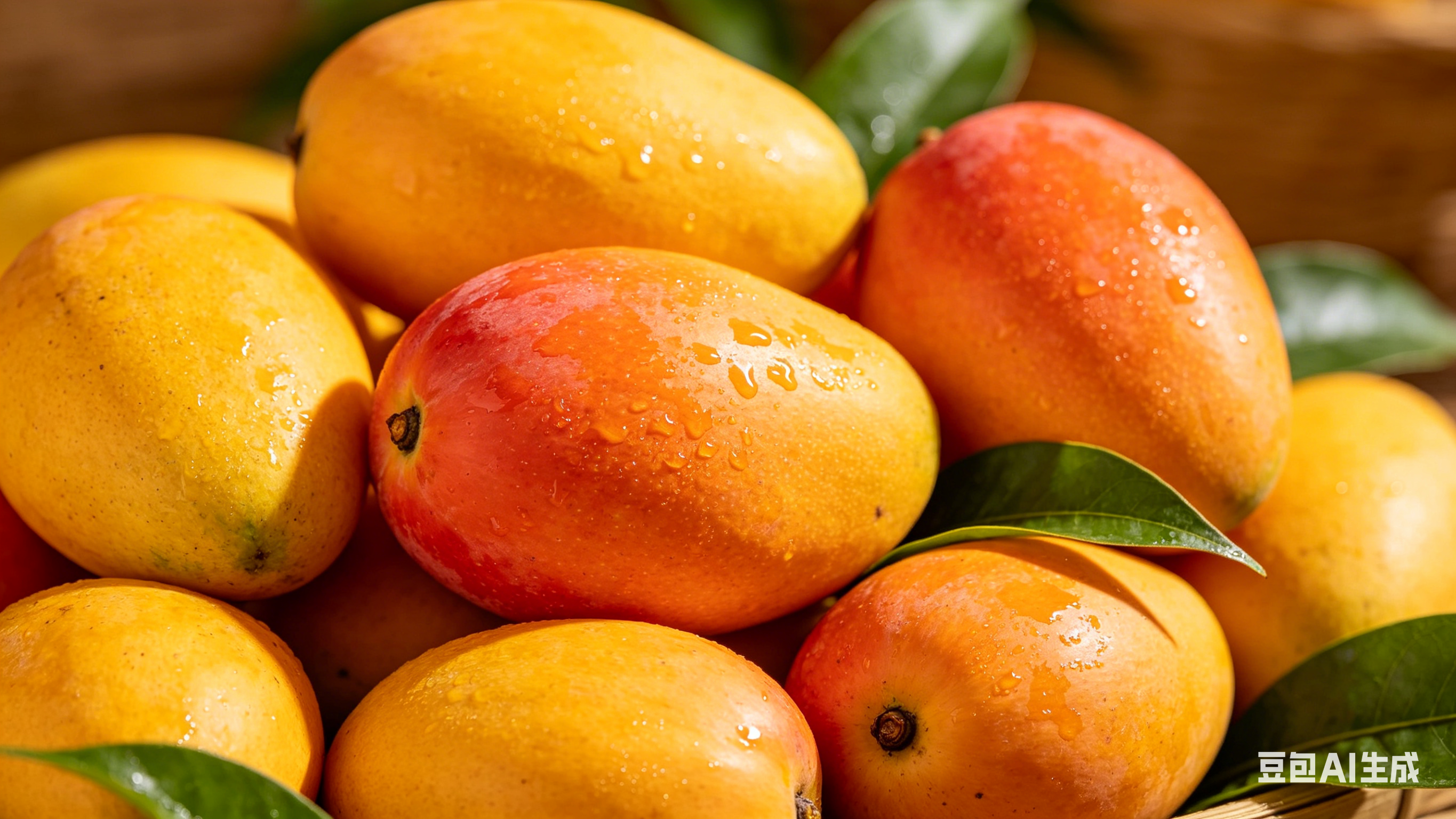
Mangoes are one of the world’s most popular fruits. However, they go bad very quickly after being picked. Once harvested, mangoes continue to ripen (成熟) and soon become too soft. In hot weather, this process speeds up even more. Keeping them cool can help, but if it is too cold, the fruit gets damaged. So, what is the right temperature?
Scientists from Hainan University have found an answer. In a recent study, they stored a kind of mango called “Tainong No.1” at two different temperatures: 12°C and 30°C. They watched the changes over 24 days.
The results were clear. At 30°C, the mangoes turned yellow and soft in about two weeks. Their sugar levels rose quickly and then dropped, and the fruit became overripe. Under a microscope (显微镜), the cells of these mangoes broke down sooner.
At 12°C, however, the mangoes stayed in good condition much longer. Their color changed slowly, and they kept their firmness. The cells remained strong, and the fruit’s natural ability to fight stress stayed active. Important vitamins and other healthy substances were also kept at higher levels.
The study shows why 12°C works well. It is cool enough to slow down ripening without harming the fruit. This simple temperature control helps mangoes defend themselves against aging (老化) from the inside.
This discovery is useful for farmers and sellers. If mangoes are stored near 12°C during shipping, they can travel longer distances and arrive fresh. That means less food waste and more delicious mangoes for everyone to enjoy.
原创编写 版权所有 侵权必究 每日更新 个性化阅读 英语飙升1.1. What happens to mangoes soon after they are picked?
A They grow bigger quickly.
B They get sweeter fast.
C They keep getting ripe.
D They lose most of their sugar.
解析:选C。C 细节理解题。根据第一段第二句“Once harvested, mangoes continue to ripen and soon become too soft.”可知,芒果被采摘后会继续成熟并很快变得过软,这与选项C“它们持续变熟”意思一致,故选C。选项A“快速变大”、B“快速变甜”和D“失去大部分糖分”均与原文所述继续成熟的过程不符。故选C。
2.2. The underlined word “overripe” in Paragraph 3 probably means ______.
A hard and fresh
B green and sour
C ready to pick
D soft and old
解析:选D。D 词义猜测题。划线词“overripe”出现在第三段描述30°C储存结果的句子中:“Their sugar levels rose quickly and then dropped, and the fruit became overripe.”上文提到芒果两周内变黄变软,糖分先升后降,结合常识及下文“the cells ... broke down sooner”可知,此处的“overripe”是指芒果过熟、变软变老的状态,故选项D“软且老”最符合语境。选项A“硬且新鲜”、B“绿且酸”和C“可采摘的”均与过熟特征相反。故选D。
3.3. How did the researchers know the cells of mangoes were damaged at 30°C?
A By tasting the mangoes.
B By using a microscope.
C By asking local farmers.
D By checking the colors.
解析:选B。B 细节理解题。第三段末句明确指出“Under a microscope, the cells of these mangoes broke down sooner.”,即通过显微镜观察发现细胞更早破裂,因此对应选项B“通过使用显微镜”。选项A“通过品尝”、C“通过询问当地农民”和D“通过查看颜色”在文中均未作为判断细胞受损的依据。故选B。
4.4. Why is 12°C a suitable temperature for mango storage?
A It makes the fruit grow larger.
B It copies the weather in winter.
C It slows aging without harm.
D It helps sugar rise quickly.
解析:选C。C 推理判断题。第五段直接解释了原因:“It is cool enough to slow down ripening without harming the fruit.”以及帮助芒果“defend themselves against aging from the inside.”,即在不伤害果实的前提下减缓成熟和内部老化过程,因此选项C“它减缓老化并且不会造成伤害”正确。选项A“使果实变大”、B“模仿冬季天气”均未提及;选项D“帮助糖分快速上升”是30°C条件下的现象,与12°C的储存优势相反。故选C。
5.5. How is the information in this passage mainly organized?
A By listing fruit kinds.
B By comparing two results.
C By showing past problems.
D By telling a long story.
解析:选B。B 推理判断题。全文主体部分(第二至第五段)将芒果在12°C和30°C两种温度下的储存结果进行对照:30°C下芒果快速过熟、细胞破裂,而12°C下芒果保鲜时间长、细胞完好、营养成分保留多,最后得出12°C为适宜温度的结论,因此信息主要是通过“对比两组结果”来组织的,对应选项B。选项A“列出水果种类”、C“展示过去问题”和D“讲述长篇故事”均不是本文的核心组织逻辑。故选B。