
体育不止论输赢,更是成长的课堂
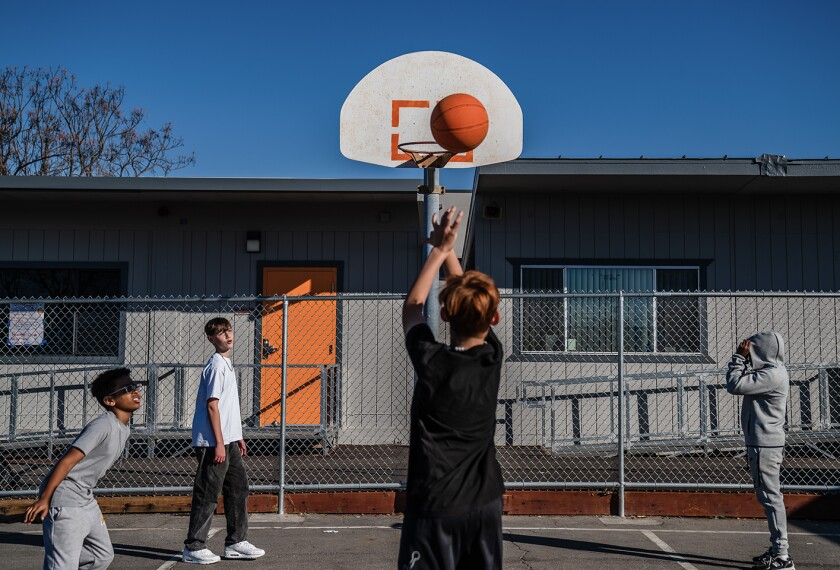
Teachers often notice that today’s students have more difficulty managing their emotions and getting along with others in person than those of previous generations. To address this, many schools have introduced social-emotional learning (SEL) programs, which research shows can improve both academic success and overall well-being. However, schools also face tight budgets, limited staff, and debates over SEL curricula.
Despite these challenges, some schools have found a creative way to teach character-building skills: sports.
According to Megan Bartlett, founder of the Center for Healing and Justice Through Sport, youth sports can help young people develop goal-setting, self-control, and teamwork skills when the activities are deliberately curated to promote positive growth. She explains that sports are especially effective for social-emotional development because they combine three key elements: a supportive environment with trusted adults and peers, physical movement that aids emotional regulation, and real-time practice in handling stress and challenges. Bartlett stresses that the focus should be on personal improvement rather than just winning.
One example comes from the La Mesa-Spring Valley school district. The district serves about 11,000 students from kindergarten through eighth grade and has created its own sports league. During the COVID-19 pandemic, staff members noticed that many students felt disconnected from school. They decided to use sports as a way to bring students back and help them reconnect.
In this program, students practice three times a week. Once a week, a 30-minute SEL lesson is led by a social worker and a coach. These sessions focus on topics like managing emotions, building trust with teammates, and accepting both wins and losses. According to district staff member Heather Spruell, many students who once struggled to control their temper after a loss have learned to stay calm and even cheer up their teammates.
For other schools interested in similar efforts, the experts offer simple advice. First, focus on building strong relationships with students. Second, gain support from school leaders and social workers. Finally, ensure that coaches receive proper training, as many tend to coach the way they themselves were coached in the past.
1.1. What challenge do schools face in carrying out SEL?
A Lack of student interest.
B Unclear academic benefits.
C Insufficient funding and staff.
D Strict government rules.
解析:选C。C 细节理解题。根据文章第一段最后一句“However, schools also face tight budgets, limited staff, and debates over SEL curricula.”可知,学校面临预算紧张、人手有限等问题。选项C中的“Insufficient funding and staff”是对原文“tight budgets, limited staff”的同义转述,因此是正确答案。选项A在文中并未提及学生对SEL缺乏兴趣;选项B与原文“improve both academic success”表述相反,学术益处是明确的;选项D提到的“严格的政府规定”在文中并未出现,属于无中生有。故选C。
2.2. What does the underlined part “deliberately curated” most probably mean in Paragraph 3?
A Wisely arranged.
B Freely chosen.
C Widely promoted.
D Newly created.
解析:选A。A 词义猜测题。划线部分所在句子提到,当体育活动被“deliberately curated”以促进积极成长时,它们能帮助年轻人发展各项技能。结合后文Bartlett的解释,她强调运动需要结合支持性环境、身体活动以及实时压力处理练习,且重点应放在个人进步而非输赢上。这说明这些活动不是随意进行的,而是经过精心设计和巧妙安排的。“deliberately”意为“刻意地、深思熟虑地”,“curated”原指“策划展览”,在此引申为“安排、组织”。选项A“Wisely arranged”(明智地安排)最符合语境。选项B“自由选择”与刻意设计相悖;选项C“广泛推广”和选项D“新创建”均未体现出“为了特定教育目标而精心设计”这一层含义。故选A。
3.3. What change did students show after the sports program?
A They avoided all competitions.
B They argued more with teammates.
C They quit practicing regularly.
D They controlled anger after losses.
解析:选D。D 细节理解题。第五段最后一句 “many students who once struggled to control their temper after a loss have learned to stay calm and even cheer up their teammates” 表明,参与项目后,学生在失败后能控制自己的脾气、保持冷静,对应选项 D “他们在失败后控制愤怒”。选项 A “避免所有比赛”、B “与队友更多争吵”、C “放弃定期训练” 均与原文内容相反,直接排除。故选D。
4.4. Which of the following is a suitable title for the text?
A Youth Sports in Decline.
B School Funding Shortages.
C Better Training for Coaches.
D Building Character Through Sports.
解析:选D。D 主旨大意题。全文围绕学校借助体育运动开展社会情感学习、培养学生品格展开,第二段点明核心 “some schools have found a creative way to teach character-building skills: sports”,后文通过案例和建议进一步论证体育运动对塑造学生品格的作用。选项 A “青少年体育运动衰退”、B “学校资金短缺”、C “对教练的更好培训” 均只是文中细节内容,无法概括全文主旨,只有 D “通过体育运动塑造品格” 契合文章中心。故选D。