
想吃高品质牛排?不必花大价钱
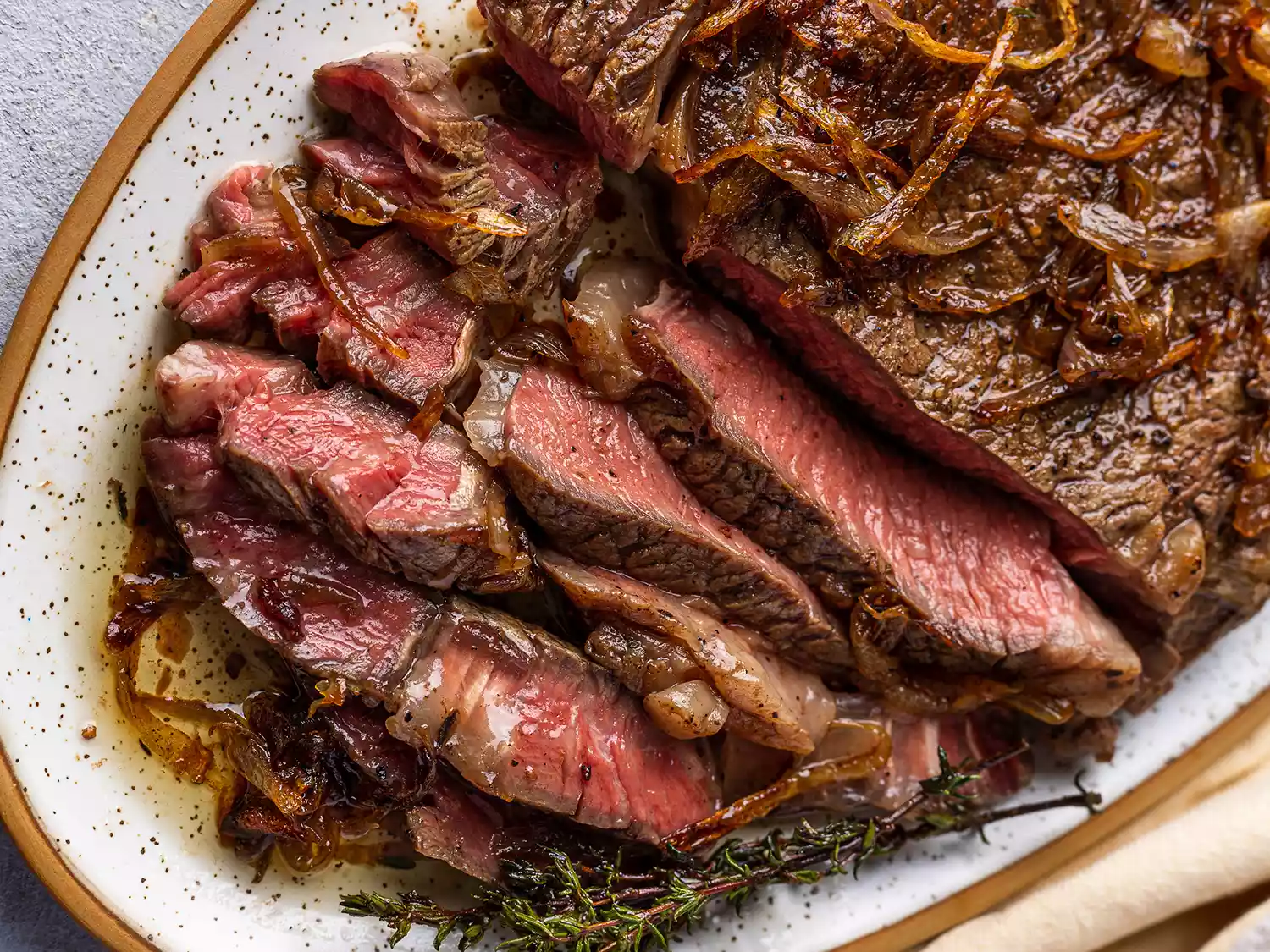
Few dining experiences shout “special occasion” quite like a steakhouse. With their elegant atmosphere, these establishments have long been associated with a high price tag. Classic cuts like filet mignon (菲力) and ribeye (肉眼) are famous for their tenderness and rich flavor, but they often come at a cost that doesn’t fit a typical family budget. For many diners, the question remains: Is it possible to enjoy a quality steakhouse meal without overspending?
The answer lies in looking beyond the traditional menu items. Butchers point out that cuts such as the flat iron, Denver steak, and skirt steak offer an impressive balance of quality and value. For instance, the flat iron is often considered the second-most tender muscle on the entire cow, providing a soft texture similar to a filet at a much lower price. Meanwhile, the Denver steak delivers the juicy, beefy flavor of a ribeye without the premium expense.
When ordering, it helps to decide what you value most: tenderness or flavor. If you prefer the melt-in-your-mouth feel of a filet, a flat iron might be your best alternative. If you crave the rich fat of a ribeye, the Denver steak is an excellent substitute. You should also be cautious about purely visual presentations. A giant “tomahawk (战斧)” ribeye may look impressive, but you are paying a significant amount of money for the weight of a large bone.
Of course, even with these budget-friendly cuts, quality matters. If you see Wagyu on the menu, it is wise to ask questions. Authentic Japanese Wagyu is famous for its intense marbling, but the term is used loosely in some places. A good steakhouse will be transparent about where their beef comes from.
1.1.What can we learn about traditional steakhouses from Paragraph 1?
A They only offer filet mignon.
B They are generally costly.
C They have plain decorations.
D They welcome large families.
解析:选B。B细节理解题。第一段明确指出传统牛排馆氛围优雅,但“have long been associated with a high price tag”(长久以来都与高昂的价格标签联系在一起),且其花费“doesn’t fit a typical family budget”(不适合普通家庭预算)。因此,正确选项B “They are generally costly”(它们通常很贵)是对原文信息的同义转述。故选B。
2.2.The underlined word “premium” in Paragraph 2 most likely means ______.
A additional high
B low-quality
C daily necessary
D extremely heavy
解析:选A。A词义猜测题。第二段将Denver steak与ribeye对比,指出Denver steak能带来肉眼牛排般多汁的风味,却“without the premium expense”。结合上文语境,肉眼牛排是“经典昂贵”部位,此处意为“不需要付出昂贵花费”。因此“premium”意为“高昂的、加价的”。A项“Additional high”最贴近。故选A。
3.3.What does the author imply about the tomahawk ribeye?
A It has the strongest flavor.
B It is not worth the high price.
C It contains much real beef.
D It looks quite ordinary.
解析:选B。B推理判断题。第三段提到,巨大的战斧牛排虽然看着很壮观(look impressive),但你是在为那块大骨头的重量付一大笔钱。作者由此提醒读者要警惕纯粹的外观展示。由此可以推断,作者暗示战斧牛排的性价比不高(not cost-effective),因为钱都花在骨头上了。选项A属于“无中生有”,选项C与原文表述相反,作者想表达的是战斧牛排虽然看着很大,但是内含一大块骨头,因此真正的牛肉较少;选项D与原文“look impressive”相反。故选B。
4.4.What is the main point of the fourth paragraph?
A Wagyu beef offers the best flavor.
B Flat iron is the best choice.
C Japanese Wagyu is a fake term.
D Source information is essential.
解析:选D。D段落大意题。第四段的主要内容是提醒读者,如果菜单上有“Wagyu”(和牛),要明智地询问清楚来源(ask questions),因为这个词有时被滥用。好的牛排馆会对牛肉产地保持透明。因此,这段的核心观点是:了解牛肉的来源非常重要。选项D “Source information is essential”(来源信息至关重要)概括了段落大意。故选D。