
用废水种菜安全吗?研究发现:药物从不“进错门”
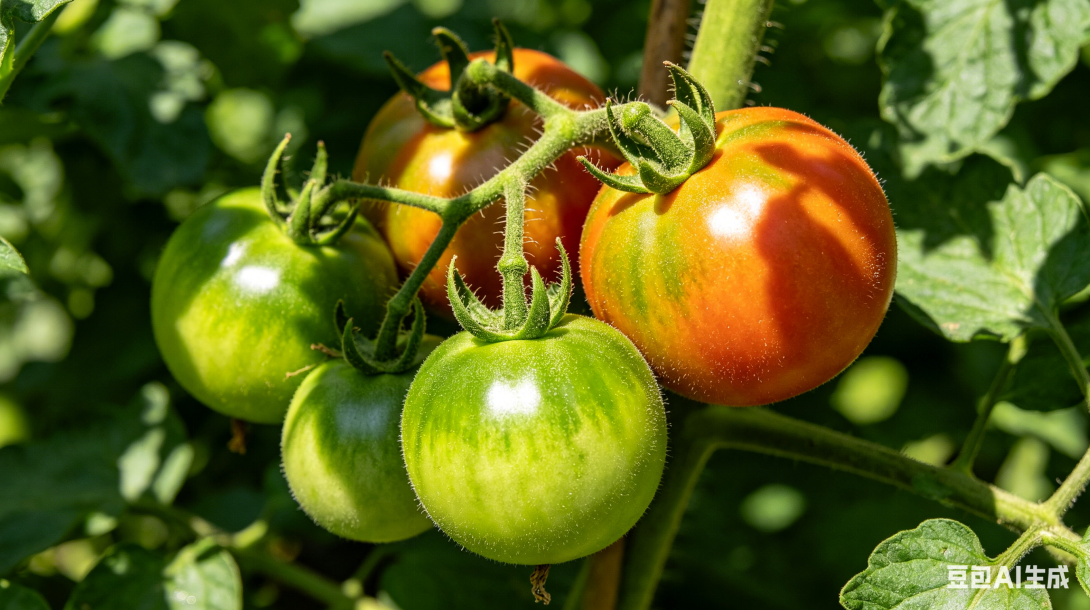
In many dry areas, farmers must rely on treated wastewater to water their crops because fresh water supplies are limited. While this is a smart way to save water, scientists are concerned about what else might be in that water. Small amounts of medicines — such as those used to treat mental health conditions — often remain in treated wastewater.
1.1. Why do farmers in dry areas use treated wastewater?
A To lower farming costs.
B To clean the medicine.
C To grow special plants.
D To handle water shortage.
解析:选D。D细节理解题。根据文章第一段第一句:“because fresh water supplies are limited.”可知,农民使用处理过的废水是因为淡水供应有限。故选D。
2.2. What does the phrase “these chemicals” in Paragraph 2 refer to?
A Plant foods.
B Waste things.
C Mental drugs.
D Clean water.
解析:选C。C词意指代题。代词指代通常遵循“就近原则”和“逻辑原则”。第一段末尾提到:“Small amounts of medicines... often remain in treated wastewater.”紧接着第二段开头提到“these chemicals”,逻辑上即指代上文提到的药物成分。选项C中的“Mental drugs”与原文“those used to treat mental health conditions”吻合。故选C。
3.3. Why do leaves contain more drugs than fruits or roots?
A Fruits can push drugs out.
B Leaves get more sunshine.
C Water dries up in leaves.
D Roots stop taking in drugs.
解析:选C。C推理判断题。根据第五段对植物水分运动的解释:“When water reaches the leaves, it evaporates into the air... the chemicals... are trapped.”意思是水在叶子处蒸发,而化学物质被留在了叶片组织中。选项C“Water dries up in leaves”揭示了药物残留的物理原因。故选C。
4.4. What is the probable next step based on the researchers’ findings?
A Grow cleaner carrots.
B Set safety guidelines.
C Build water treatment sites.
D Find more new medicines.
解析:选B。B推理判断题。文章最后一句明确指出:“...understanding where these chemicals go helps... establish better guidelines for safely using recycled water in farming.”科学研究的目的是为了指导实践。研究人员下一步的工作重点是根据残留位置的研究结果,制定更科学的安全使用标准。故选B。