
我戒掉了两个“健康”习惯,焦虑反而消失了(七选五)
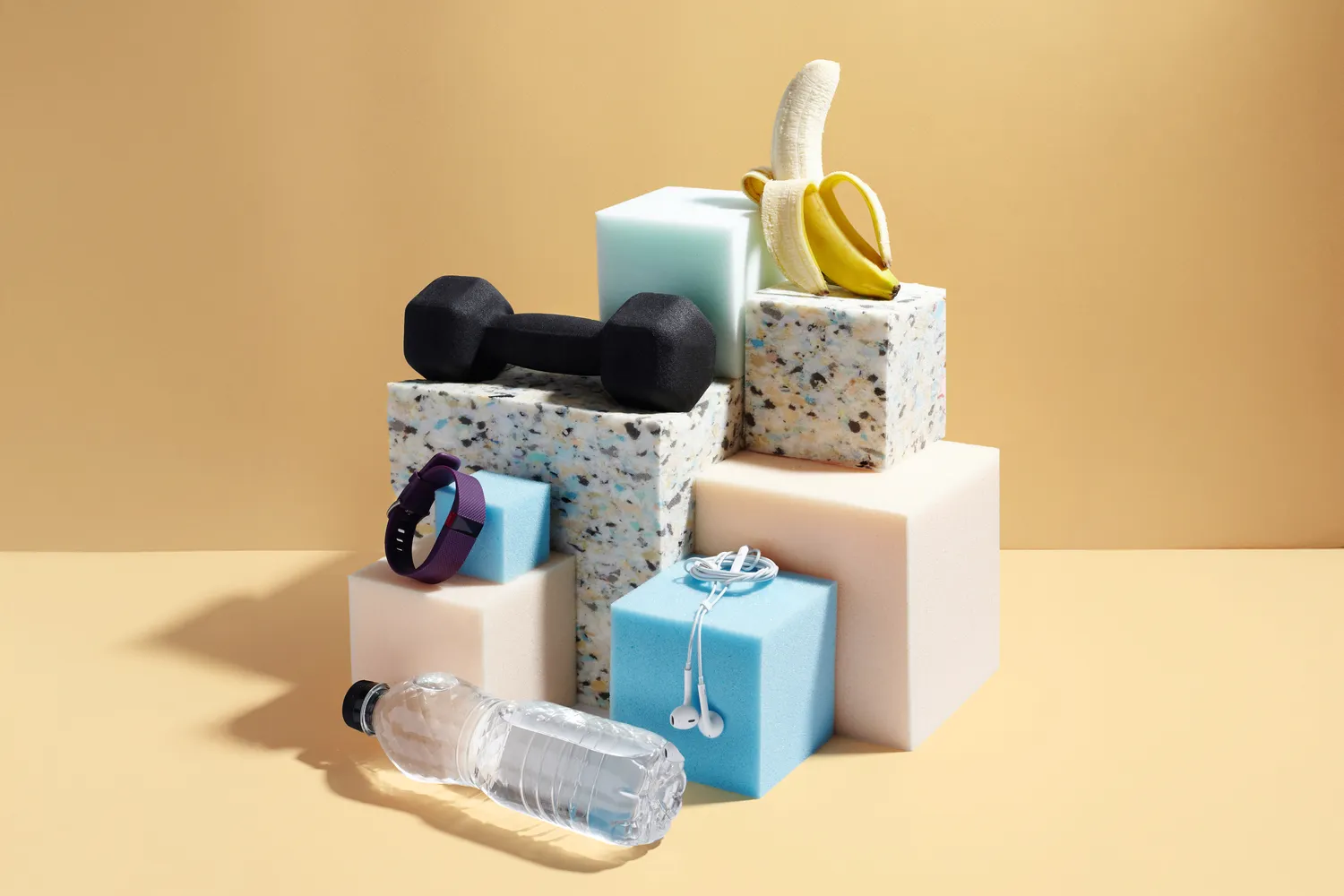
Wellness is everywhere these days — on our phones, in our social media feeds, on our wrists. But with so much information and so many trends, it can be hard to tell what is truly helpful and what only adds to our stress. I’ve realized that “healthy” does not always mean helpful. Some wellness habits I followed actually raised my stress rather than reducing it. After listening more closely to my body and mind, I decided to let go of several habits that were not helping, gaining more calm, confidence and a healthier relationship with wellness. ___1___
For a long time, I chased “perfect” routines — perfect meals, perfect workouts, even perfect consistency. ___2___ “If you set yourself a perfect target to reach, then you likely set yourself up to fail, and failure can become part of how you see yourself,” says one health expert. It can turn into a cycle that drains your energy and joy, affecting not just your health but also your relationships and overall quality of life.
What I’ve learned: ___3___ I still set goals, but now I let them bend, not break.
At one point, I wouldn’t work out unless my digital watch was charged and ready. I tied so much of my progress to those rings and numbers — sometimes even starting a “fake” workout just to get credit on screen. But over time, I noticed something: ___4___ “Devices like digital watches and step counters can be useful tools, until they become a mental burden,” according to a neuroscientist. “Even during the day, frequent, unnecessary checking can tire out the part of the brain that helps you focus, plan, and control emotions.” ___5___
What I’ve learned: These days, I move in ways that feel good, whether or not my device is turned on, because my body is paying attention even when my device isn’t.
A. The most sustainable wellness is flexible, kind, and rooted in real life.
B. After all, perfectionism is the driving force behind most successful people.
C. In other words, the data can be helpful, but it should never take the place of listening to your own body.
D. I’ve found that wearing a step counter makes me more aware of my daily activity.
E. Here are the two habits I’ve gently released, and what I’m doing instead.
F. Tracking everything was actually making me more anxious rather than more aware of my health.
1.1.
A
B
C
D
解析:选E。E 空前作者讲述了发现问题并放弃坏习惯后的积极变化(“gaining more calm, confidence and a healthier relationship with wellness”),空后直接开始描述第一个具体习惯(“For a long time, I chased ‘perfect’ routines...”)。E项恰好起到承上启下的过渡作用:“the two habits I’ve gently released”引出下文两个习惯的详细描述。根据篇章结构,首段末尾通常需要一句总起下文的句子,E项符合这一功能。故选E。
2.2.
A
B
C
D
解析:选G。G 空前作者说“我追求‘完美’的日常安排——完美的饮食、完美的锻炼,甚至完美的连贯性”(“I chased ‘perfect’ routines — perfect meals, perfect workouts, even perfect consistency”),空后则引用专家的话解释设定完美目标如何导致失败。G项“如果错过一天,我就觉得必须重新开始,或者自己彻底失败了”正是对前文“完美连贯性”的具体例证——它用真实的心理感受把“perfect consistency”具象化,同时又为后文专家所说的“你很可能让自己走向失败”提供了鲜活的铺垫。整个逻辑链从抽象追求到具体表现,再到专家分析,G项恰好是中间的桥梁。故选G。
3.3.
A
B
C
D
解析:选A。A 空前有明确提示语“What I’ve learned:”,表明此处需要填入作者从这一习惯中总结出的感悟。A项“最可持续的健康方式是灵活、宽容、植根于现实生活”提炼出了核心道理,而空后“I still set goals, but now I let them bend, not break”(我仍然设定目标,但现在让它们弯曲,而不是折断)则是对这一道理的实践说明——其中“bend, not break”直接呼应了A项中的“flexible”,构成从抽象认知到具体行动的顺承关系。感悟与行动一脉相承,衔接自然。故选A。
4.4.
A
B
C
D
解析:选F。F 空前说“But over time, I noticed something:”(但渐渐地,我注意到了一件事),明确提示接下来要揭示一个发现。F项“追踪一切实际上让我更焦虑,而不是更了解自己的健康”正是这一发现的内容:它点明了作者从“依赖设备”转向“感到不适”的关键转折。同时,空后专家紧接着指出这类设备“until they become a mental burden”(直到它们变成精神负担),F项中的“making me more anxious”与“mental burden”彼此呼应,共同说明数据追踪带来的心理压力,逻辑上由亲身体验过渡到专业解释,非常顺畅。故选F。
5.5.
A
B
C
D
解析:选C。C 空前是神经科学家对追踪设备的完整评价:“Devices like digital watches and step counters can be useful tools, until they become a mental burden”(数码手表和计步器可以是有用的工具,直到它们变成精神负担),以及频繁查看会“tire out the part of the brain that helps you focus, plan, and control emotions”(使大脑中负责专注、规划和情绪控制的部分疲劳)。C项以“In other words”(换句话说)开头,自然承担起转述和总结的角色。“the data can be helpful”对应前文的“can be useful tools”,“should never take the place of listening to your own body”则直接引出后文作者感悟的核心——“my body is paying attention even when my device isn’t”(即使设备没开,我的身体也在留意)。C项将专家观点与个人感悟完美缝合,使整段议论收束有力。故选C。