
你的大脑正在被什么悄悄掏空?
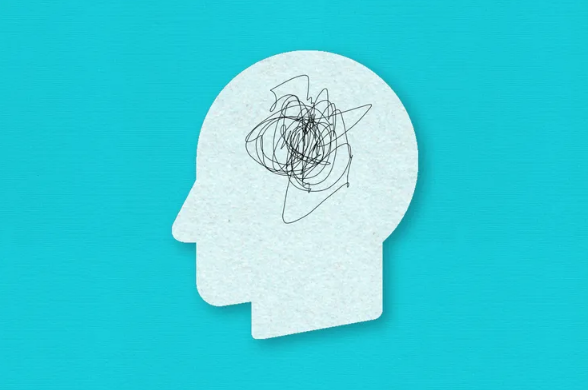
From choosing what to wear to what to cook for dinner, the average day is full of hundreds of small decisions. Most are unimportant, but over time they drain the mental energy needed for more important choices. All of a sudden, you may be unsure whether to accept a new project, or you put off a financial decision you had planned to make. This mental tiredness is known as decision fatigue. Your brain tires, and decision quality drops.
As mental energy runs low, people stop thinking critically and act without thinking. Decision fatigue feels like mental burnout. It occurs when you face mental overload from work, school, or home, and it negatively affects many areas of life, even if the stress is only in one. Symptoms include feeling overwhelmed, low energy, lack of motivation, putting things off, and forgetfulness. People may also criticize themselves for failing to make decisions and finish tasks.
We all experience decision fatigue. The average adult makes thousands of decisions daily, leaving the brain overloaded by evening. Even judges, symbols of careful thought, are not immune. A well-known study found judges were more likely to give favorable rulings in the morning. As the session continued, the approval rate dropped, and then rose after a break. This shows decision fatigue is a human limitation, not a sign of carelessness.
Fortunately, there are simple ways to prevent decision fatigue. First, make big decisions in the morning when your mental energy is at its peak. Second, group similar choices and cut unnecessary ones. Handle errands (差事), emails, or planning all at once to avoid draining energy. High performers often wear similar clothes and eat the same meals, saving energy for bigger decisions. Third, rely on systems: plan meals, automate tasks, or set work blocks. Systems prevent your brain from constantly rethinking the same things. When you feel overloaded, pause. If you are delaying or acting without thought, step away and return with a clearer mind. Finally, take breaks. A short walk or snack restores mental energy. Yoga or brief calm moments help too. These small habits can keep decision fatigue away and help you save mental energy for what truly matters.
1.1. The word “drain” in Paragraph 1 is closest in meaning to ______.
A use up
B put off
C look for
D give out
解析:选A。A词义猜测题。根据第一段可知,日常琐碎决定看似无关紧要,但“over time they drain the mental energy needed for more important choices”(久而久之它们会____做更重要选择所需的精神能量)。由常识和上下文可以推断,大量琐事对人的精力是一种损耗,从而影响后续更重要的决策,因此drain在此处意为“消耗、耗尽”。选项B(put off)意为“推迟”,虽在原文第一段末尾独立出现过(put off a financial decision),但用于此处则句意不通。选项C(look for)意为“寻找”,选项D(give out)意为“分发”或作不及物动词短语表示“筋疲力尽”,均无法准确表达该词在句中的及物动词含义。故选A。
2.2. Which of the following is a symptom of decision fatigue?
A Feeling extremely hungry.
B Keeping things in mind easily.
C Having no desire to do tasks.
D Completing work on time.
解析:选C。C细节理解题。第二段明确列举了一系列具体表现,其中包括“low energy”(精力低下)、“lack of motivation”(缺乏动力)以及“putting things off”(拖延)。选项C(没有完成任务的意愿)与原文中的“缺乏动力”在意义上高度一致,是对该症状的同义转述,因此是正确答案。选项B(Keep things in mind easily,容易记住事情)和选项D(Completing work on time,按时完成工作)与文中的“forgetfulness”(健忘)和“putting things off”(拖延)所描述的状态完全相反。选项A(Feeling extremely hungry,感觉极其饥饿)虽然在常识上可能与疲劳状态相关,但并非文中提及的症状。故选C。
3.3. Why does the author mention the study of judges’ rulings?
A To show judges are easily influenced.
B To prove decision fatigue is universal.
C To explain why judges make careless decisions.
D To describe a typical workday of judges.
解析:选B。B推理判断题。第三段首句明确指出“We all experience decision fatigue.”(我们都会经历决策疲劳),这是一个普遍性的观点。紧接着文章引用法官裁决的研究:即便是作为深思熟虑象征的法官也无法幸免,其有利裁决的比例会伴随庭审进程下降,休息后才回升。作者在举例后总结道:“This shows decision fatigue is a human limitation”(这表明决策疲劳是人类的一种局限)。因此,引用该研究的目的是为了证明决策疲劳是一个普遍存在、人人可能遇到的现象,而非个别人(如法官)的特质,B项正确。选项A带有误导性,研究虽显示法官受疲劳影响,但目的并非说他们“容易被影响”。选项C则与原文“not a sign of carelessness”的结论直接矛盾。选项D将举例的目的浅化为了描述法官的日常工作,偏离了论证核心,不选。故选B。
4.4. What is the main purpose of the last paragraph?
A To warn readers about the dangers of bad habits.
B To explain why decision fatigue is hard to notice.
C To compare different strategies for solving problems.
D To introduce methods of dealing with decision fatigue.
解析:选D。D主旨大意题。最后一段以“Fortunately, there are simple ways to prevent decision fatigue”这一承上启下的总起句开头,明确点明本段的核心是提供应对方法。随后,作者通过“First... Second... Third... Finally...”的列举方式,详细介绍了包括“在早上做重大决定”、“集中处理琐事”、“依靠系统”、“适时暂停”和“安排休息”在内的一系列具体策略。整段内容逻辑清晰,始终围绕“提供解决方法来应对决策疲劳”这一中心展开,因此选项D(介绍处理决策疲劳的方法)最准确地概括了本段的核心写作目的。选项A提到的“警告危险”及选项B提及的原因,均非本段重点。选项C的干扰性在于文中列举了多个策略,但作者并未对这些策略进行比较,而是直接介绍方法,因此不选。故选D。