
欠下的睡眠债,真的能还清吗?
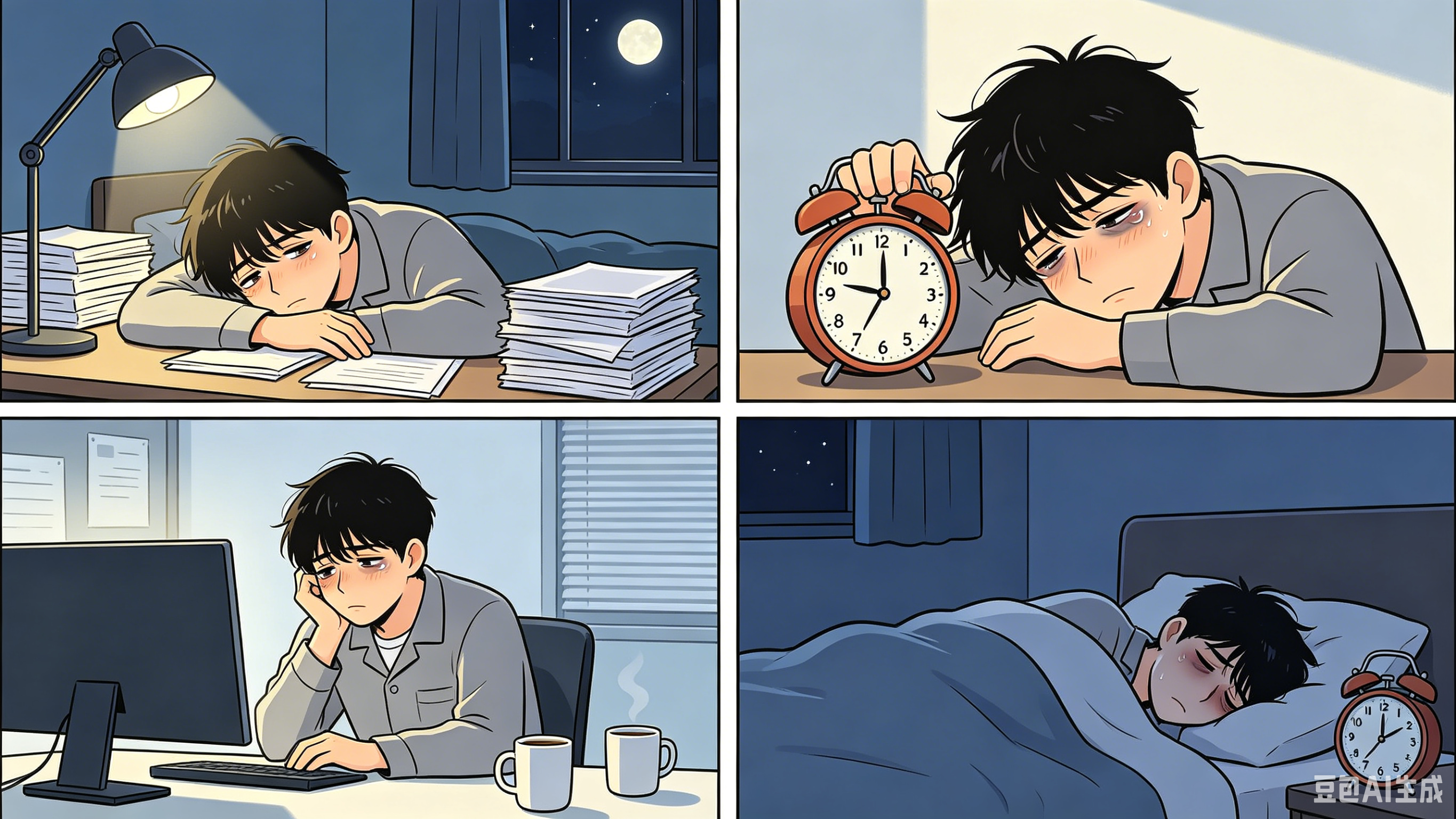
We all know we need enough sleep for energy, health, and productivity. But life often gets in the way. When you miss sleep, you build up sleep debt. Sleep debt is the amount of sleep you need to catch up on. It is measured against your personal sleep need. For example, if you need seven hours but only get six, you’ll wake up with sleep debt. If you keep missing sleep, the debt grows.
There are two types: short-term and long-term sleep debt. Short-term debt, built up over days, can cause daytime sleepiness, trouble thinking clearly, getting annoyed easily, poor focus, and getting sick more easily. Long-term debt, built up over months and years, raises the risk of weight gain, heart disease, high blood pressure, anxiety, and depression.
The good news is research suggests you can catch up on sleep and make up for some of the damage. Sleep debt is real, but catch-up sleep isn’t a myth. In one study, participants sleeping five hours a night for a week had worse mood and performance, but these bounced back after two recovery nights. Catching up on weekends may lower health risks, and some studies suggest that weekend catch-up sleep can make the death rate similar to that of consistent sleepers. However, recovery sleep may not prevent all harm, such as weight gain.
Catching up takes time. The more sleep debt you have, the longer it takes. For example, one hour of lost sleep may take four days to recover from. To catch up, take short naps (under 90 minutes, before evening), go to bed earlier, or sleep in a little later (within one to two hours). It also helps to improve your sleep habits: keep a regular sleep schedule, get morning light, avoid caffeine and bright lights before bed, exercise regularly, and keep your bedroom dark, cool, and quiet. Try to get enough sleep each night, but if you miss it, catch up when you can. Your body and brain will thank you for it.
1.1.What is the author’s main purpose in writing Paragraph 1?
A To offer a solution.
B To present a definition.
C To tell a story.
D To make a comparison.
解析:选B。B 推理判断题。第一段引出睡眠不足产生睡眠债,并用“Sleep debt is the amount of sleep you need to catch up on. It is measured against your personal sleep need.”直接给出睡眠债的定义与判定标准,本段核心就是阐释定义。A提出解决办法、C讲故事、D作对比均无文本依据,故选B。
2.2.What can we learn about long-term sleep debt from the passage?
A It can be easily cured.
B It mainly affects mood.
C It can lead to serious diseases.
D It is more common than short-term debt.
解析:选C。C 细节理解题。原文第二段的“Long-term debt, built up over months and years, raises the risk of weight gain, heart disease, high blood pressure, anxiety, and depression.”明确说明长期睡眠债会引发各类严重疾病。A极易治愈原文未提及;B影响情绪是短期睡眠债的危害;D文中没有对比两类睡眠债的常见程度,均排除,选C。
3.3.What can we conclude from the study in Paragraph 3?
A Recovery sleep fixes everything.
B Sleep debt cannot be reduced.
C Catch-up sleep helps partly.
D Only naps help recovery.
解析:选C。C 推理判断题。根据第三段的“you can catch up on sleep and make up for some of the damage”以及“recovery sleep may not prevent all harm”,可推理出补觉只能起到部分帮助作用。A修复一切过于绝对;B睡眠债无法减少与原文相悖;D只有午睡能恢复表述片面,均错误,选C。
4.4.What is the last paragraph mainly about?
A Risks of long-term debt.
B How to measure sleep.
C How to reduce sleep debt.
D Benefit of morning light.
解析:选C。C 主旨大意题。最后一段依次介绍补觉所需时间、“take short naps, go to bed earlier, sleep in a little later”等补觉方式,还有改善睡眠的好习惯,全篇围绕如何弥补、减少睡眠债展开。A长期睡眠债危害在第二段;B睡眠测量仅第一段出现;D晨光益处只是细节小点,无法概括段落主旨,故选C。