
视力衰退,从来不止岁月使然
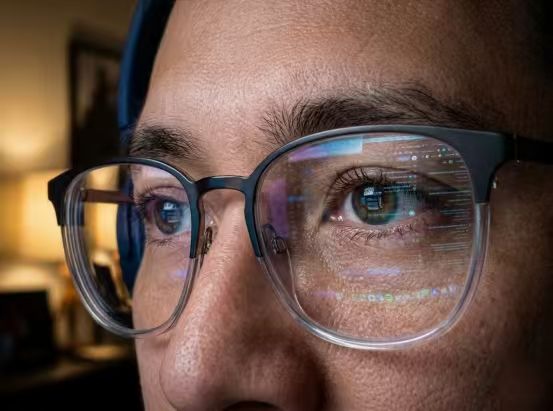
Many people believe that blurry vision and tired eyes are an unavoidable part of aging. It is widely accepted that people in their 40s or 50s will have fuzzy vision, as if their eyes are aging like worn-out machinery. However, this common assumption ignores the real cause of poor eyesight in modern times.
1.1. What do many people usually think causes blurry vision?
A Aging process.
B Screen watching.
C Heavy pressure.
D Artificial lighting.
解析:选A。A细节理解题。 根据文章第一段第一句“Many people believe that blurry vision and tired eyes are an unavoidable part of aging”可知,许多人认为视力模糊是衰老过程的一部分,因此A项正确。B项“看屏幕”、C项“沉重压力”和D项“人造光源”都是后文揭示的导致视力问题的真正原因,并非大多数人通常持有的看法,故排除。故选A。
2.2. Why does long-time screen use harm our eyes?
A It exposes eyes to direct sunlight.
B It keeps eye muscles tight constantly.
C It makes people lose sleeping rhythm.
D It leads to permanent brain damage.
解析:选B。B 细节理解题。文章第三段明确指出,长时间盯着屏幕会使眼部肌肉锁定在特定模式,变得过度劳累、紧绷并忘记如何放松,即“your eye muscles get stuck in a specific mode... muscles become overworked, tight, and forget how to relax”,这与B项“它让眼肌持续紧张”完全对应。A项“暴露于直射阳光”原文未提及;C项“使人失去睡眠节律”虽与蓝光影响有关,但那是就寝前看屏幕的后果,不是屏幕伤眼的直接原因;D项“导致永久脑损伤”文中未涉及。故选B。
3.3. Which of the following can help people’s visual health?
A Drinking more coffee every morning.
B Keeping indoor lights unchanged.
C Avoiding screens before bedtime.
D Staying in stressful situations.
解析:选C。C 细节理解题。文章第四段最后一句提到“avoiding screens one hour before bedtime prevents blue light from ruining sleep and allows eyes to recharge”,即睡前避免看屏幕能让眼睛得到休息和恢复,因此C项正确。A项“早上多喝咖啡”与文中“A two-minute walk in daylight... can regulate body rhythm better than coffee”相悖;B项“保持室内光线不变”正是文中指出的人造光源伤害眼睛的做法;D项“待在压力情境中”对视力有害,与最后一段观点相反。故选C。
4.4. What is the best title for the text?
A How Natural Light Shapes Our Eyesight.
B The Hidden Reasons for Eye Tiredness.
C The Scientific Way to Relax Eyes.
D How Stress Influences Human Eyes.
解析:选B。B 主旨大意题。文章开篇推翻“衰老导致视力模糊”的普遍认知,随后从持续近聚焦用眼、人造静态光线和慢性压力等多个维度,层层揭示现代社会眼疲劳的真正原因,全文围绕“隐藏的致因”展开,故B项“眼睛疲劳的隐藏原因”最能概括文章主旨。A项“自然光如何塑造视力”仅对应第四段部分内容;C项“放松眼睛的科学方法”在文中仅作为辅助建议零星出现,并非论述中心;D项“压力如何影响人眼”只涉及最后一段的单一侧面,均无法覆盖全文,故不选。故选B。