
放下媒介恐慌,赋能少年数字成长(完形填空)
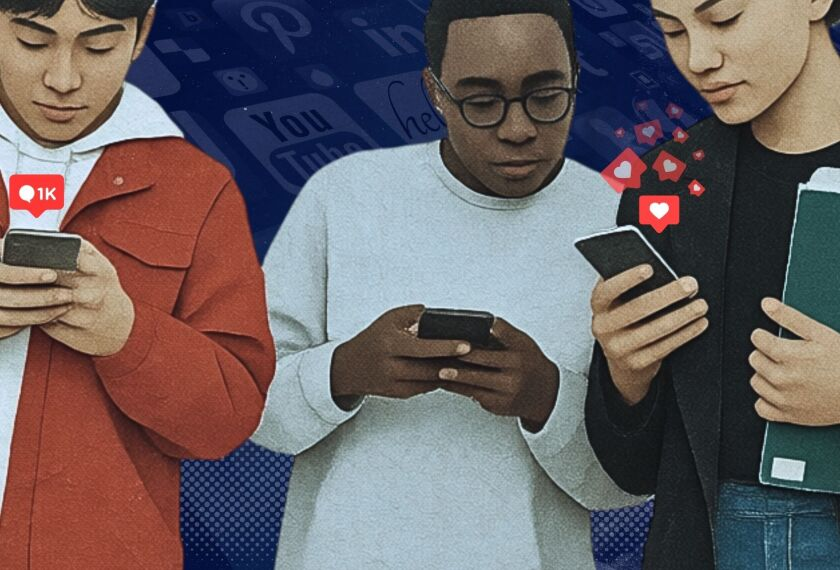
“Toxic, addictive, crisis.” These words are frequently used to describe social media’s effect on teen mental health. ____1____, experts warn that this fear-based ____2____ , which views teens as helpless victims, is actually ____3____ . Instead, a strengths-based approach that highlights teens’ independence and resilience is recommended, teaching them social-emotional skills to ____4____ their digital lives safely. This is a key idea in Social and Emotional Learning (SEL).
True, social media can ____5____ children to harmful content, cyberbullying and poor sleep. But it can also serve as a powerful ____6____ for social participation, exploring interests, and staying connected with loved ones.
Research shows that teens spend over four hours daily on smartphones, often feeling forced to ____7____ to constant messages. High school senior Gitanjali Nair admits that she uses her phone to ____8____ social situations, and that while she ignores many of the 400-plus daily messages, they remain extremely ____9____ .
So what can educators do? A key step is to build strong relationships. Teachers can show genuine ____10____ in students’ digital world, guiding them toward ____11____ content that supports well-being. For example, ask students to reflect on whether the videos they watch contain too much ____12____ or unrealistic beauty standards. If students are unwilling to share their own habits, discussing peers’ media use is often a more ____13____ topic for them.
Classroom agreements, where expectations are mutually decided, are considered a best ____14____ in SEL. Educators can go further by involving students in creating school-wide technology policies, such as cellphone ____15____. This can build a sense of community. Additionally, media education can complement SEL by teaching about algorithms (算法) and false information. In the process of deciding what to post, students exercise responsible decision-making, and thinking about peers’ posts builds social awareness.
原创编写 版权所有 侵权必究 每日更新 个性化阅读 英语飙升1.1.
A Instead
B Though
C However
D Besides
解析:选C。C 考查副词。前文说“有毒、上瘾、危机”这些词常被用来形容社交媒体的影响,后文指出专家警告这种基于恐惧的叙事实际上是误导的。前后意思构成明显的转折关系,需要用一个表示转折的副词。However是副词,可置于句首用逗号隔开,表示“然而”,符合逻辑。Instead意为“相反,取而代之”,通常用于否定前者并提出替代方案,但此处并未出现替代前者行为的描述;Though意为“虽然”,引导从句;Besides意为“此外”,表示递进,均不符合上下文转折的语境。故选C。
2.2.
A solution
B principle
C phenomenon
D narrative
解析:选D。D 考查名词。前文用“有毒、上瘾、危机”等词描述社交媒体,这并非解决方案、原则或单纯现象,而是一种基于恐惧的“讲述方式”。narrative强调人们构建的说法或故事,“which views teens as helpless victims”正是对这一叙事的解释。solution(解决方案)、principle(原则)、phenomenon(现象)均不能体现这种“观点性描述”的含义。故选D。
3.3.
A misleading
B beneficial
C acceptable
D unnecessary
解析:选A。A 考查形容词。后文以“Instead”开头,提出推荐一种“strengths-based approach”(基于优势的方法),说明前文所述的“fear-based narrative”是不被认可的、错误的。“misleading”意为“误导的”,与专家“警告”的态度及后文推荐新方法的建议完全吻合。“beneficial”意为“有益的”,“acceptable”意为“可接受的”,“unnecessary”意为“不必要的”,都带有肯定或中性色彩,与文意相悖。故选A。
4.4.
A abandon
B navigate
C criticize
D record
解析:选B。B 考查动词。此处意为“教他们社会情感技能,以便安全地______他们的数字生活”。“navigate”本意是“导航,航行”,引申为“驾驭,成功应对(困难局面)”。“navigate one's digital lives”是地道的英文表达,意为在网络世界中安全、理智地行事。“abandon”意为“抛弃”,过于绝对;“criticize”意为“批评”,非此语境所需技能;“record”意为“记录”,与“安全地”搭配不通顺。故选B。
5.5.
A expose
B introduce
C compare
D limit
解析:选A。A 考查动词。“______ children to harmful content”,“expose...to...”为固定搭配,意为“使……接触/暴露于……”,此处表示社交媒体可能让儿童接触到有害内容。“introduce...to...”意为“把……介绍给……”,主语通常是人;“compare...to...”意为“把……比作……”;“limit...to...”意为“把……限制在……”,均不能准确表达“使接触负面事物”这层含义。故选A。
6.6.
A threat
B barrier
C gift
D tool
解析:选D。D 考查名词。but转折说明社交媒体的积极用途,tool(工具)最准确,指作为实现社会参与等功能的工具。gift有“天赋、礼物”之意,但用于此搭配不如tool常见贴切;threat(威胁)和barrier(障碍)均为负面词汇,与积极功能矛盾。故选D。
7.7.
A respond
B object
C lead
D turn
解析:选A。A 考查动词。回复消息用respond to messages。object to表示“反对”,lead to表示“导致”,turn to表示“转向,求助于”,均不符合“被迫应对消息”的语境。故选A。
8.8.
A meet
B avoid
C change
D follow
解析:选B。B 考查动词。此句意为“她承认自己用手机来______社交场合”,结合后文她每天收到400多条信息,有时忽略它们但依然感到分心,可推断她使用手机是一种回避面对面社交的方式。“avoid”意为“避免,躲避”,用在此处表示在社交场合玩手机以避免直接交流,合乎逻辑。“meet”意为“遇见”,“change”意为“改变”,“follow”意为“跟随”,均不能解释这种借助手机来躲避社交的行为动机。故选B。
9.9.
A relaxing
B amusing
C confusing
D distracting
解析:选D。D 考查形容词。“while”引导让步状语从句,意为“虽然她忽略了400多条信息中的许多,但它们仍然极其______”。前一句说她会用手机回避社交,说明这些信息对她构成了持续的干扰。“distracting”意为“使人分心的”,与被迫回复却又想回避的心境完全吻合。“relaxing”意为“令人放松的”,“amusing”意为“有趣的”,“confusing”意为“令人困惑的”,都不能与“被迫回复”和“刻意忽略”构成的矛盾语境相呼应。故选D。
10.10.
A interest
B concern
C doubt
D pride
解析:选A。A 考查名词。建立关系需展示兴趣,show genuine interest in...是常用搭配,表示真心对学生的数字世界感兴趣,以便引导他们。concern 侧重 “担忧、顾虑”,语义偏向负面,不如 interest 契合场景;doubt(怀疑)和pride(骄傲)不合语境。故选A。
11.11.
A popular
B quality
C free
D latest
解析:选B。B 考查形容词。引导学生的目标是让他们接触能够“supports well-being”(支持身心福祉)的内容。“quality content”意为“优质内容”,与“支持身心福祉”直接对应。“popular”意为“流行的”,“free”意为“免费的”,“latest”意为“最新的”,这些都未必能保证内容对青少年的身心健康有益。故选B。
12.12.
A violence
B humor
C creativity
D information
解析:选A。A 考查名词。与“不切实际的美丽标准”并列,应是不良内容,violence(暴力)最为典型负面要素。humor(幽默)和creativity(创意)通常正面或中性,information(信息)含义太宽泛,均不能构成明确需要反思的负面内容。故选A。
13.13.
A anxious
B serious
C comfortable
D familiar
解析:选C。C 考查形容词。前文提到“如果学生不愿意分享自己的习惯”,那么谈论同伴的媒体使用对他们而言是一个更______的话题。谈论别人显然比谈论自己让人感觉更安全、更自在。“comfortable”意为“自在的,舒适的”,符合这一心理。“anxious”意为“焦虑的”,与“更自在”相悖;“serious”意为“严肃的”,与是否愿意分享无直接关系;“familiar”意为“熟悉的”,不构成谈论他人话题的主要优势。故选C。
14.14.
A practice
B idea
C challenge
D secret
解析:选A。A 考查名词。此处指“课堂协议”在SEL中被认为是一种最佳的______。“best practice”是固定搭配,指在某一领域公认的“最佳实践,最优方法”。“idea”意为“主意”,“challenge”意为“挑战”,“secret”意为“秘密”,都不能与“best”搭配形成专业领域的惯用说法。故选A。
15.15.
A decorations
B restrictions
C applications
D protections
解析:选B。B 考查名词。此句建议让学生参与制定全校技术政策,例如手机______。结合上下文,学校在制定政策时,通常涉及的是对手机使用的管理。“restrictions”意为“限制(规定)”,符合制定技术政策以规范手机使用的情景。“decorations”意为“装饰”,“applications”意为“应用程序,应用”,“protections”意为“保护”,均不属于广义上的学校技术政策范畴。故选B。