
童趣相伴,欢度六一
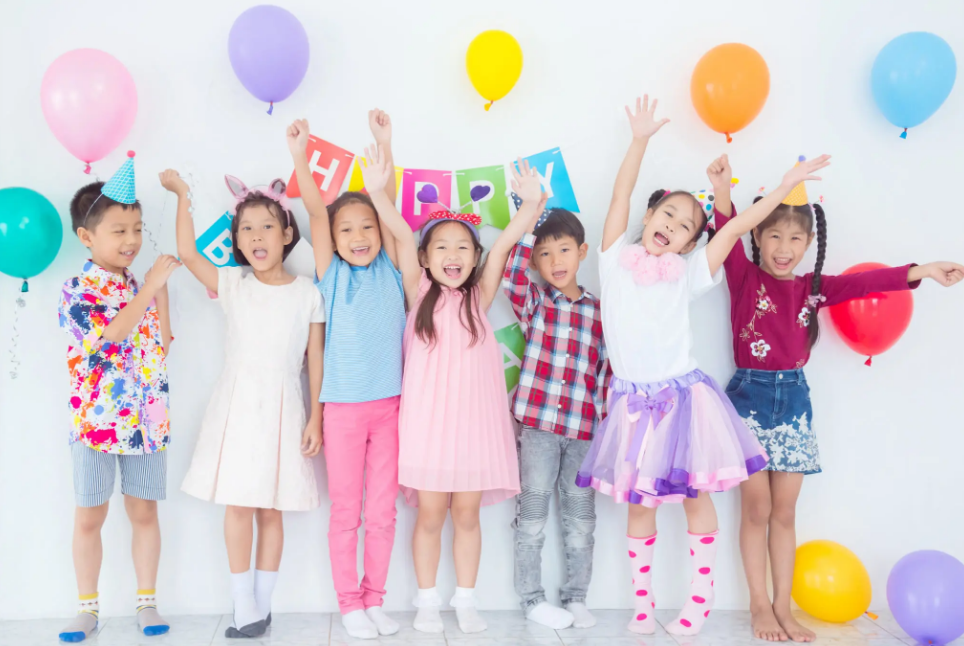
Every year on June 1st, China celebrates Children’s Day. It is a day to honor children and promote their well-being. Unlike World Children’s Day observed by the United Nations on November 20th, China follows the June 1st tradition, which is shared by many other countries around the world.
China officially adopted June 1st as Children’s Day in December 1949, shortly after the founding of the People’s Republic. At first, children under 14 only got a half-day off. In 1956, however, the State Council changed it to a full-day holiday for primary school and kindergarten students. Today, it has become one of the most anticipated days of the year for kids across the country.
So how do Chinese families celebrate this day? Schools play a major role. Kindergartens and primary schools often organize stage performances, dance shows, singing competitions, and art displays. Children rehearse(排练) for weeks and dress up on the big day. Outside of school, parents take their children on outings, buy them small gifts, or treat them to a special meal. Many parks, zoos, and shopping malls offer discounts or even free admission for kids. Fast food chains and toy companies also launch special promotions to attract young customers.
Beyond the fun and games, Children’s Day reflects deeper social themes. The holiday highlights the strong family values in Chinese culture, where children are often seen as the center of family life. At the same time, it also draws attention to a serious issue: China’s declining birth rate. In recent years, the government has allowed couples to have three children, yet many still hesitate due to high living costs and work pressure. Celebrating children, in this sense, also reminds people of the importance of raising the next generation.
In short, Children’s Day is more than just a day off school. It is a cheerful occasion filled with gifts, performances, and family time, but it also carries a meaningful message about child welfare, family bonds, and the future of Chinese society.
原创编写 版权所有 侵权必究 每日更新 个性化阅读 英语飙升1.1.What can we learn about China’s Children’s Day from the first paragraph?
A It aims to benefit children.
B It is totally unique to China.
C It falls on the same day as the UN’s version.
D It is celebrated by official organizations.
解析:选A。A细节理解题。根据第一段第二句“It is a day to honor children and promote their well-being”可知,中国儿童节的目的是尊重儿童、促进他们的福祉,这与A项“旨在造福儿童”意思一致,因此选择A。B项错误,因为第一段明确提到“shared by many other countries”,并非中国独有。C项与原文“Unlike World Children’s Day observed by the United Nations on November 20th”矛盾,说明日期不同。D项“由官方组织庆祝”在第一段中完全没有提及,属于无中生有。故选A。
2.2. What was the initial holiday arrangement for Children’s Day in China?
A All students got a full-day break.
B No holiday was given to children.
C Primary pupils got a half-day off.
D Only kindergartens held activities.
解析:选C。C细节理解题。第二段第二句明确指出“At first, primary school students only got a half-day off”,即最初小学生只放半天假,因此C项正确。A项“所有学生全天放假”是后来演变成的情况,并非最初安排。B项“不给儿童放假”与原文事实相反。D项“只有幼儿园举办活动”在文中找不到依据,原文并未对最初的活动举办主体作此限定。故选C。
3.3. What is the main idea of Paragraph 3?
A Popular outdoor activities for kids.
B Diverse festive celebrations.
C Business seasonal promotions.
D Colorful school performances.
解析:选B。B段落大意题。第三段以问句开头,然后分别介绍了学校组织的舞台表演、歌舞比赛等,家长带孩子出游、买礼物、吃大餐,以及公园、商场、快餐店等提供的各种促销和优惠。整段涵盖了学校、家庭和商业等多个层面的庆祝活动,因此B项“多样的节日庆祝”最能概括全段主旨。A、C、D项分别只涉及户外活动、商业促销和学校表演,都是段落中的一个方面,不能涵盖全部内容,不选。故选B。
4.4. What can be inferred from the passage?
A Low costs boost birth rates.
B The festival fully shapes family values.
C Citizens favor three-child policy.
D The festival reminds people of social realities.
解析:选D。D推理判断题。第四段指出,儿童节除了欢乐之外,还反映了深层社会主题,例如引起人们对生育率下降等问题的关注,并说明“Celebrating children... also reminds people of the importance of raising the next generation”,由此可以推断,这个节日在愉快庆祝的同时也提醒人们关注社会现实,故D项正确。A项与文中“high living costs... many still hesitate”的事实相反,无法得出低成本会提高生育率的结论。B项中的“fully shapes”过于绝对,文中只说节日突出了已有的家庭价值观,并未说节日完全塑造了这些价值观。C项与文中“many still hesitate”表达的意思矛盾,不能推断出市民支持三孩政策。故选D。