
多彩六一,尽享美好童年
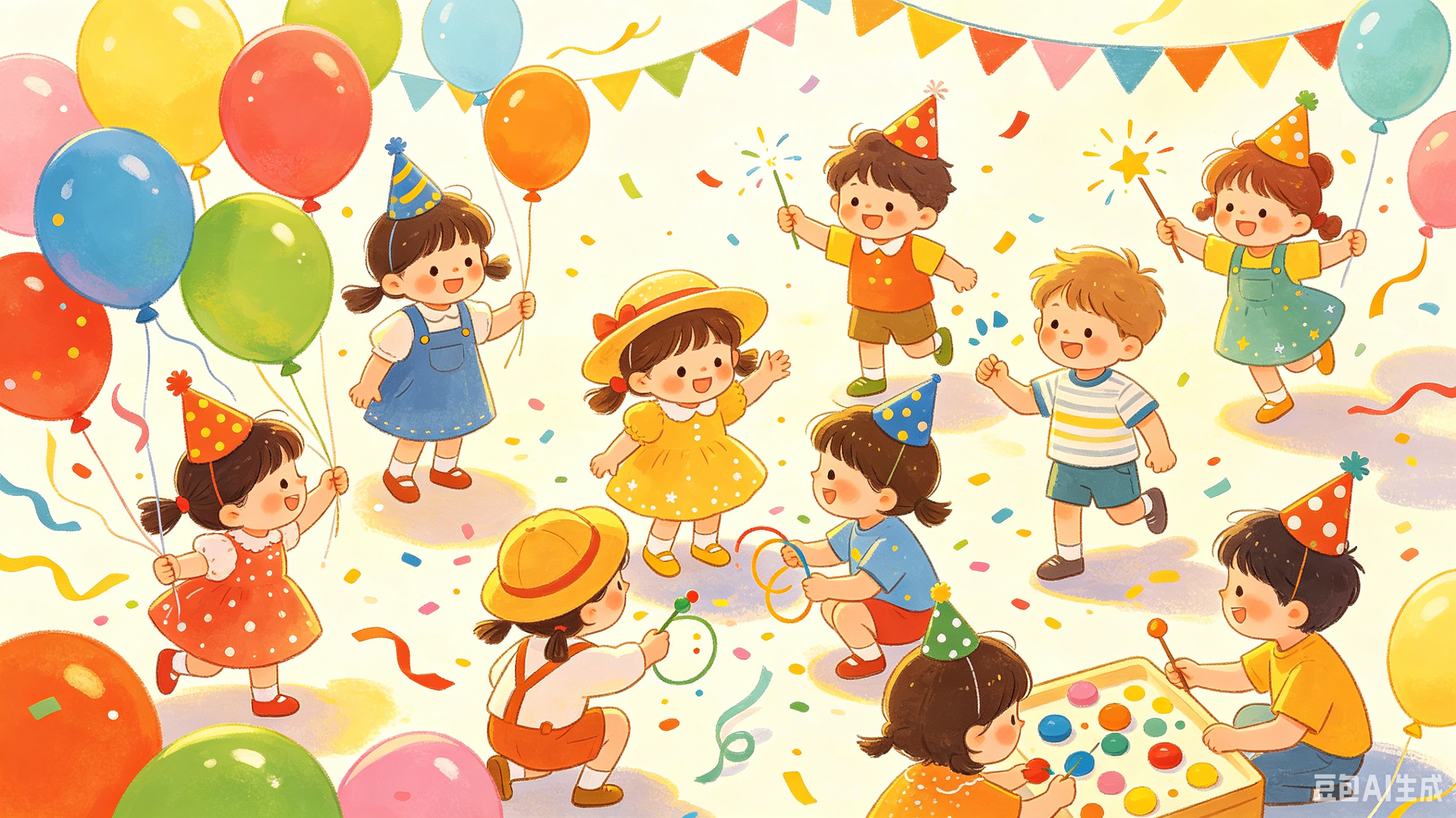
Children’s Day is a popular holiday in China. It comes on June 1 every year. People celebrate it to wish all children health and happiness. There are many interesting ways to enjoy this special day.
___▲___
On Children’s Day, kids get lots of nice gifts from parents, relatives and teachers. They may receive toys, pens, new clothes or red envelopes. Schools also hold fun parties with tasty snacks and desserts.
Shows and Games
Children become the center of the day. Schools organize singing, dancing and sports competitions. Kids show their great talents in different activities. They always have a wonderful time playing games together.
Fun Learning Activities
The holiday is also a good time to learn new things. Museums, parks and libraries prepare special activities for children. Kids can learn about science, nature and culture while having fun. Many media also put on great kids’ programs.
All in all, Children’s Day brings great joy to every child. It lets everyone enjoy the beauty of childhood and care more about kids’ growth. It is truly a meaningful and lovely festival.
1.1. What does Paragraph 1 mainly tell us about Children’s Day?
A Its long history.
B Its date and purpose.
C The gifts children get.
D The games children play.
解析:选B。B主旨大意题。第一段主要介绍了儿童节的时间(“It comes on June 1 every year”)和设立目的(“People celebrate it to wish all children health and happiness”),最后一句引出下文对庆祝方式的介绍。选项A(悠久历史)在第一段中完全没有提及;选项C(孩子们收到的礼物)和选项D(孩子们玩的游戏)都是后文段落的内容,不是第一段的主旨。因此选择B。
2.2. Which of the following can be put back into the blank “___▲___”?
A Sports Competitions.
B Family Trips.
C Gifts and Party Time.
D Daily Study Habits.
解析:选C。C推理判断题。空白处后的段落讲的是孩子们在儿童节收到父母、亲戚和老师的礼物,以及学校举办有趣派对并提供零食甜点,核心内容为礼物和派对。C项“Gifts and Party Time”恰好能概括该段意思。A项“Sports Competitions”只对应后文“Shows and Games”部分内容,无法涵盖礼物;B项“Family Trips”全文未提及;D项“Daily Study Habits”与该段的节日活动无关,因此选C。
3.3. What do children mainly do at school on Children’s Day?
A They show their talents.
B They thank their teachers.
C They open their gifts.
D They visit the museums.
解析:选A。A细节理解题。该部分明确提到“Kids show their great talents in different activities”,可见在校主要活动是展示才艺。B项“感谢老师”文中没有出现;C项“拆礼物”发生在家庭或赠礼场景,并非在校主要活动;D项“参观博物馆”属于“Fun Learning Activities”部分,不在学校主要活动的描述中,故选A。
4.4. What can we learn from the “Fun Learning Activities” part?
A Children can only learn in school on that day.
B Learning can also be a way to celebrate.
C Museums are too boring for children.
D Kids don’t like watching TV programs.
解析:选B。B推理判断题。该部分指出儿童节也是学习新事物的好时机,博物馆、公园、图书馆为孩子们准备特别活动,让他们在玩乐中学习,媒体也推出儿童节目,由此可推知“学习也可以是一种庆祝方式”,即B项。A项“只能在学校学习”与文中多场所学习矛盾;C项“博物馆对孩子来说太无聊”与“while having fun”相反;D项“孩子们不喜欢看电视节目”与“Many media also put on great kids’ programs”的积极表述不符,故选B。
5.5. How does the writer feel about Children’s Day?
A Surprised.
B Proud.
C Thankful.
D Happy.
解析:选D。D观点态度题。从最后一段可以看出作者的态度:“Children’s Day brings great joy to every child”(带来极大欢乐)、“enjoy the beauty of childhood”(享受童年的美好)、“truly a meaningful and lovely festival”(真正有意义的可爱节日),这些积极正面的词汇都表达了作者对儿童节感到愉快、喜爱的态度。选项A(惊讶的)、B(骄傲的)、C(感激的)在文中均无体现。因此选择D。