
《主角》热播,点燃秦腔!
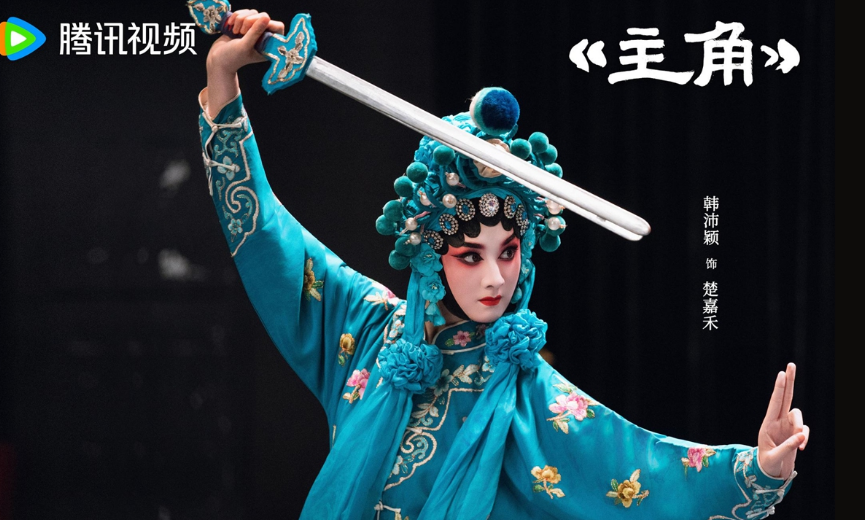
The Lead, a popular Chinese TV series, is based on an award-winning novel of the same name. Directed by Li Shaofei, the show tells the long-term growth story of Qinqiang opera artists. Qinqiang is a traditional local opera popular in Northwest China, and the drama has attracted wide attention since it came out.
Qinqiang serves as the main thread. Every opera piece in the show matches the characters’ situations. Some young viewers might find it a bit tedious — sometimes a single line or a gesture can take a long time to perform, but the wonderful story and vivid characters make these scenes interesting. This helps young audiences experience the unique charm of Qinqiang art.
This is not Li’s first work about Shaanxi culture. He once directed Stage Builder, another popular drama also rooted in Shaanxi culture. Compared with his last work, The Lead is more like an epic about ordinary people. It shows the life changes and spiritual struggles of several generations. The series is set in Shaanxi and rich in local color. It includes many real-life details, such as local snacks, amateur Qinqiang singers near the city wall and daily customs. However, creating this time-spanning (跨越时间的) drama faced many challenges. The team worked hard to restore historical scenes, match actors’ accents to local dialects and train actors to perform traditional Qinqiang well.
The drama has received mixed reviews. Some viewers love it, while others think the pacing at the start was slow. However, the director thinks these opinions are normal. Many young people know little about Qinqiang at first, but they finally fall in love with the touching story and lovely characters.
1.1.What is the TV series The Lead based on?
A A famous painting.
B A traditional song.
C A prize-winning book.
D A classical drama.
解析:选C。C细节理解题。根据文章第一句“The Lead... is based on an award-winning novel with the same name”可知,电视剧改编自一部获奖的同名小说。“award-winning”与选项C中的“prize-winning”意思一致,因此是基于一本获奖的书。选项A的画作、选项B的歌曲和选项D的古典戏剧在文中均未提及,不符合原文事实。故选C。
2.2. What does the underlined word “tedious” in Paragraph 2 mean?
A Funny.
B Boring.
C Exciting.
D Surprising.
解析:选B。B词义猜测题。画线词所在句子提到,年轻观众可能觉得它有点“tedious”,破折号后解释说有时一句唱词或一个动作就要表演很久,随后用“but”转折指出精彩的故事和生动的人物让这些场景变得有趣。由此可以推断,“tedious”是与“interesting”相反的感受,应意为“乏味的、无聊的”。选项A“有趣的”、选项C“令人兴奋的”和选项D“令人惊讶的”都与这种消极感受不符,因此选择B。
3.3. What can we know about The Lead and Stage Builder?
A They are both about Shaanxi culture.
B They have different creative teams.
C They are both popular novels.
D They are both easy to shoot.
解析:选A。A细节理解题。根据第三段前两句“This is not Li’s first work about Shaanxi culture. He once directed Stage Builder, another popular drama also rooted in Shaanxi culture.”可知,《主角》是李少飞导演关于陕西文化的作品之一,《装台》同样深深植根于陕西文化,因此两部剧都关于陕西文化。文中没有提及两部剧创作团队不同,且它们都是电视剧而非小说,文中更明确指出拍摄《主角》面临诸多挑战,并非容易,因此选项B、C、D均与原文不符。故选A。
4.4. What did the crew (摄制组) do to make the drama successfully?
A They only added local tasty food.
B They created new local accents.
C They ignored old scenes completely.
D They made efforts on many details.
解析:选D。D细节理解题。由第三段最后一句可知,为了拍好这部时间跨度大的剧集,团队努力复原历史场景、让演员口音贴近当地方言并训练他们演好秦腔,这说明他们在许多细节上付出了努力。选项A中的“only”过于绝对,且添加美食只是众多细节之一;选项B“创造新的口音”与原文“匹配方言”矛盾;选项C“完全忽略旧场景”与“努力复原历史场景”完全相反,因此D正确。
5.5. What is young people’s final attitude towards The Lead?
A Uninterested.
B Positive.
C Doubtful.
D Worried.
解析:选B。B观点态度题。根据文章最后一句“Many young people know little about Qinqiang at first, but they finally fall in love with the touching story and lovely characters.”可知,尽管最初了解不多,但年轻观众最终爱上了这个感人的故事和可爱的角色。“fall in love with”传达出肯定与喜爱的情感,表明他们的态度是积极正面的。选项A“不感兴趣”、选项C“怀疑的”和选项D“担忧的”都含有消极意味,与最终态度不符,因此选择B。