
川美学生两天帮菜农卖掉170斤李子
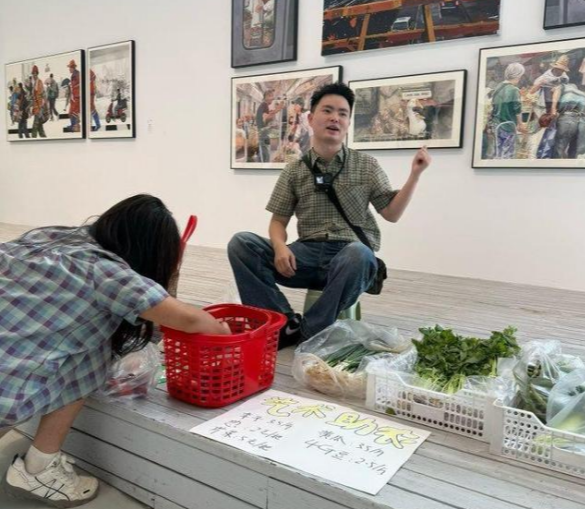
1.1.What made the Chongqing art show different from common ones?
A Famous oil paintings.
B Hand-made toy gifts.
C Smell of farm produce.
D Lots of foreign art.
解析:选C。C 细节理解题。文章开头便指出,参观者注意到展览的特别之处——“Instead of the smell of paint, they breathed in the fresh smell of vegetables and fruit.”,即没有颜料的气味,而是充满了蔬菜水果的新鲜气味,这正是农产品的气味,使该展览区别于普通艺术展。文中未提及著名油画、手工玩具礼物或大量外国艺术,因此选C。
2.2. Why did Wan Qing put fresh plums beside his works?
A Connect art and life.
B Help farmers earn money.
C Beautify his paintings.
D Share fruit with guests.
解析:选A。A 细节理解题。根据第二段末尾“so they could feel the connection between art and everyday life”可知,万庆将新鲜李子放在作品旁的目的是让人们把真实的水果带回家,从而感受到艺术与日常生活的联系,即连接艺术和生活,选A。帮助农民赚钱并非此举的直接意图;美化画作和分享水果虽与水果有关,但未能体现其深层用意。故选A。
3.3. What did young artists do long ago?
A Study local country life.
B Create new paintings.
C Improve traditional art.
D Follow Western artists.
解析:选D。D 细节理解题。题干询问年轻艺术家过去的做法,对应第三段“In the past, many young artists tried hard to copy Western masters.”,即过去他们努力模仿、追随西方艺术家。选项A、B、C所描述的研究乡村生活、创作新画作和改进传统艺术都是如今新一代艺术家的转向,与“long ago”的状态不符,故答案选D。
4.4. What brings new life to traditional Chinese art today?
A Old painting skills.
B Modern high-tech.
C Fruit sales in shows.
D Ancient art books.
解析:选B。B 细节理解题。文章第三段明确提到,“Some use modern tools like digital technology to bring new life to traditional Chinese landscapes and ancient cave murals.”,意为一些年轻艺术家运用数字技术等现代工具为传统中国山水画和古代壁画注入新生。modern high-tech 正是对 digital technology 等现代工具的概括,所以选B。旧的绘画技巧、展览中卖水果和古代艺术书籍在文中均未作为带来新生的原因提及。故选 B。
5.5. What can we learn from the sold plums in the show?
A Fresh fruit sells well in big markets.
B Farmers make much money from art.
C Life-connected art turns great and lively.
D Art students should sell goods at shows.
解析:选C。C 推理判断题。售出的85公斤李子并非简单的商品,而是万庆毕业创作的一部分,用以表达艺术与生活的连接。最后一段总结道:“when art touches real life … it becomes strong, fresh, and meaningful.” 由此可以推断,与生活紧密相连的艺术会变得有力量、新鲜且有意义,即“伟大而生动”(Life-connected art turns great and lively)。选项A和B仅停留在水果销售或农民赚钱的表面,偏离了艺术主题;选项D是对艺术展形式的误解,把深层表达降格为卖东西的要求。因此选C。