
乡野诗意,点亮乡村孩童的童年
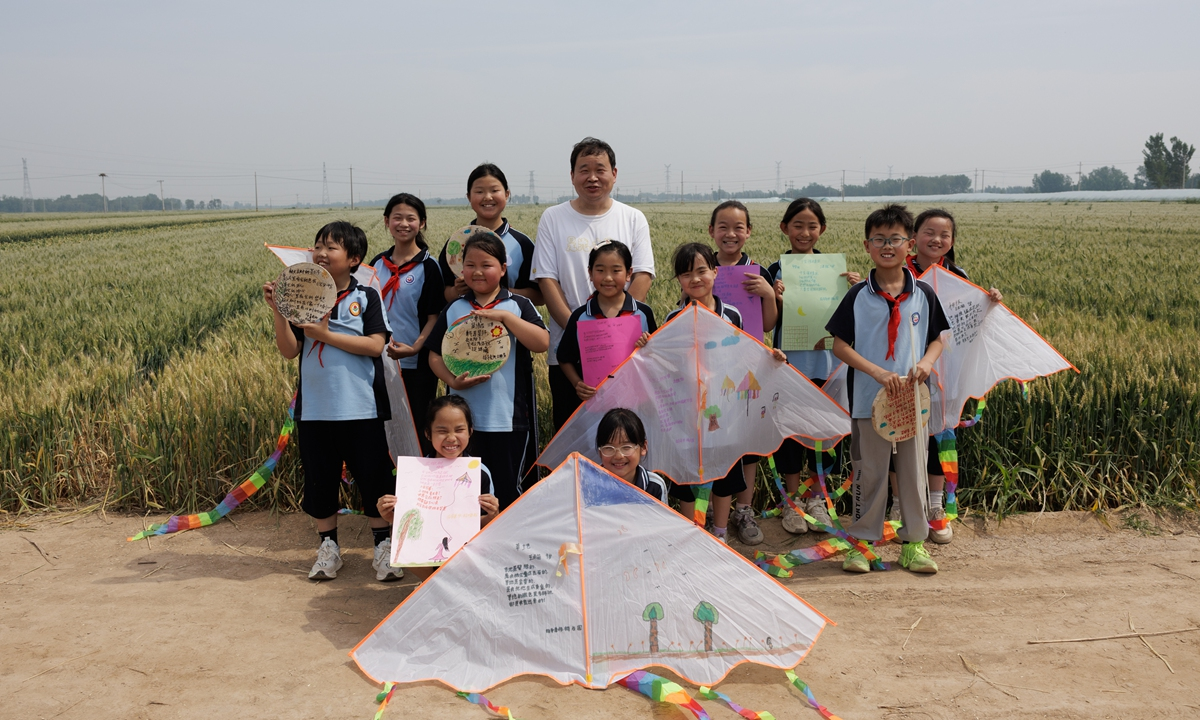
In countryside schools across Shandong and Yunnan, teachers take students outdoors for special poetry lessons. Kids write poems in cornfields and rice fields, listening to insects and smelling fresh plants. They write about growth, parents and spring with warm and simple words.
Two teachers, Yang Zhanguo and Yang Deli, teach poetry in their villages. Yang Zhanguo believes all kids are natural poets, for they have rich imagination and true feelings. Yang Deli runs a poetry club, and students join for different reasons. Some write for fun, others share their feelings.
Both teachers got training from a poetry education group. After the training, they designed lessons around the four seasons and held classes outside classrooms. Fields, rivers and trees are their classrooms. They plant and harvest crops with students, letting kids turn real life into poems. Country kids get lots of inspiration from nature to write poems.
Poetry changes shy children greatly. A quiet girl improved her grades and became confident after her poems were published. Shy students relax and dare (敢于) to speak up in open-air classes.
1.1.Where do kids have poetry classes?
A In city libraries.
B In the open air.
C In big museums.
D At home alone.
解析:选B。B细节理解题。文章第一段明确提到“teachers take students outdoors for special poetry lessons”,第三段进一步说明“hold classes outside classrooms”,第四段更是直接出现“open-air classes”这一关键表述,这些细节都指向孩子们在露天环境中上诗歌课,因此B选项正确。文中描述的场景是乡村学校的田野与河流,A选项的city libraries、C选项的museums以及D选项的at home alone均未在文中出现,与原文的countryside setting完全不符。故选B。
2.2. Why does Yang Zhanguo think kids are born poets?
A They have true feelings.
B They read many poems.
C They love the four seasons.
D They write crop stories.
解析:选A。A细节理解题。文章第二段直接给出Yang Zhanguo的观点:“Yang Zhanguo believes all kids are natural poets, for they have rich imagination and true feelings.” 其中连词“for”明确标示了因果关系,说明孩子们拥有真实的情感(true feelings)是他认为孩子天生就是诗人的原因,A选项与此完全对应。B选项read many poems在文中并未提及;C选项的four seasons是后文课程设计的内容,而非原因;D选项write crop stories则是对户外教学活动的曲解,均不能作为题干所问的依据。故选A。
3.3. What do teachers and students do in outdoor classes?
A They build new classrooms.
B They sing and dance happily.
C They grow and pick crops.
D They play different sports.
解析:选C。C细节理解题。文章第三段明确写道“They plant and harvest crops with students”,其中“plant”对应“grow”,“harvest”对应“pick”,C选项是对原文的同义转换,准确描述了师生在户外课堂中的共同活动。A选项build new classrooms与原文“Fields, rivers and trees are their classrooms”的表述相矛盾;B选项sing and dance和D选项play different sports在文中均无信息支撑,属于脱离文本的干扰项。故选C。
4.4. What change happened to the quiet girl?
A She left school early.
B She stopped writing.
C She hated Chinese.
D She became confident.
解析:选D。D细节理解题。文章第四段直接陈述:“A quiet girl improved her grades and became confident after her poems were published.” 清晰说明了这位安静女孩在诗歌发表后的具体变化——成绩提升并变得自信,因此D选项正确。A选项left school early、B选项stopped writing以及C选项hated Chinese均与原文描述截然相反,或是对文中信息的错误嫁接。故选D。
5.5. What is the main idea of the passage?
A Poems help country kids.
B Two good countryside teachers.
C Ways to write beautiful poems.
D Outdoor activities on farms.
解析:选A。A主旨大意题。文章以两位乡村教师为引子,以户外教学为形式,但最终落脚点始终在于诗歌给乡村孩子带来的多方面帮助:从自然中汲取灵感、改变害羞内向的性格、敢于表达自我、学会发现身边的美,以及善意地看待世界。因此,A选项“Poems help country kids”最能概括全文的核心主旨。B选项Two good countryside teachers仅停留在人物层面,过于片面;C选项Ways to write beautiful poems在文中并未系统介绍写作方法;D选项Outdoor activities只是诗歌教学所借助的一种形式,并非文章要表达的中心思想。故选A。