
中国多措并举守护世界文化与自然遗产
At the 2026 Cultural and Natural Heritage Day event held in Wuhan, it was announced that China has 60 UNESCO World Heritage sites, ranking among the world’s top countries. The total includes 41 cultural sites, 15 natural sites, and four mixed sites. Officials said China has strengthened scientific and holistic conservation, making it a global leader in heritage protection. The event, themed “Cultural relics belong to and serve the people,” highlighted recent preservation advances.
On the cultural front, museums across China held 45,000 exhibitions and 583,000 educational activities in 2025, attracting 1.56 billion visits. A national census (普查) of cultural relics has uncovered over 130,000 previously unrecorded immovable relics, greatly expanding the heritage base. For natural heritage, over 80 percent of protected sites have adopted near-natural restoration approaches, with several projects recognized as global best practices. These efforts are part of a national framework integrating the protection of mountains, rivers, forests, and other ecosystems.
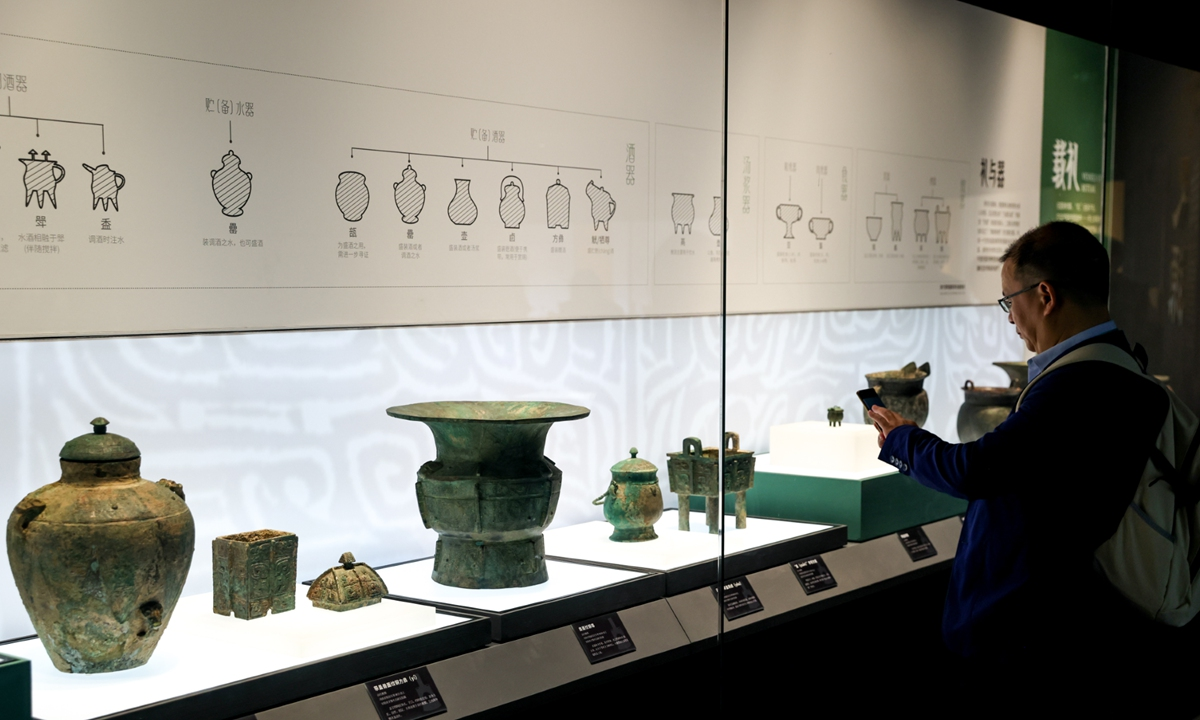
The Wuhan ceremony launched a special exhibition, Tracing Xia and Shang, featuring 163 artifacts (文物) from 34 museums. The exhibition presents the Xia and Shang dynasties as a connected whole, highlighting both shared features and unique characteristics. Beyond Wuhan, Beijing opened a new museum at the Temple of Heaven and activated a digital monitoring platform to safeguard its eight UNESCO sites. The platform establishes a “monitor-warn-respond” system to build a digital protection system for the city’s heritage treasures.
Heritage Day events took place nationwide, offering online and offline activities to enrich public life. Officials stressed that relic safety is “the absolute priority and the foundation of all our work.” They honored outstanding “Guardians of Cultural Relic Safety” from various fields, including museum workers, field inspectors, police, firefighters, and internet regulators, showing that protecting heritage requires teamwork across society.
1.1.What do we know about China’s 60 UNESCO World Heritage sites?
A They include 15 mixed sites.
B They are mainly cultural sites.
C They are evenly distributed in type.
D They make up half of the world’s total.
解析:选B。B细节理解题。由第一段“The total includes 41 cultural sites, 15 natural sites, and four mixed sites”可知,中国60处世界遗产中文化遗产多达41处,占据绝大多数,因此B项“它们主要是文化遗产”是对原文信息的直接转述。A项将混合遗产说成15处,实际是自然遗产15处,混合遗产仅4处,数字错位;C项“类型分布均匀”与41、15、4的悬殊数据明显矛盾;D项“占世界总数一半”属于无中生有,文中只提到中国位居世界前列,并未给出具体占比。故选B。
2.2. What does the success of natural heritage restoration imply?
A Its protection is effective.
B Ecosystem issues are fully solved.
C It neglects cultural relic protection.
D Global cases are hard to learn.
解析:选A。A推理判断题。第二段指出,超80%的自然保护地采用近自然恢复手段,且多个项目被列为全球最佳实践。从“被国际认可为典范”可合理推断,自然遗产的保护措施行之有效,故A项“其保护是有效的”正确。B项“生态系统问题已完全解决”中的“fully solved”过于绝对,文中仅提及取得进展;C项“它忽视了文化遗产保护”与原文强调的综合保护理念相悖;D项“全球案例难以学习”与“global best practices”所传达的可借鉴性完全相反,全球最佳实践恰恰说明这些案例容易成为学习范本。故选A。
3.3. What is Paragraph 3 mainly about?
A The history of Xia and Shang dynasties.
B Ways to exhibit ancient artifacts.
C Rules for digital heritage management.
D Two cities’ new heritage initiatives.
解析:选D。D段落大意题。第三段首句说明武汉推出“寻绎夏商”特展,接着用“Beyond Wuhan”转折,介绍北京开放天坛新博物馆并启用数字监测平台。全段围绕这两座城市在遗产日启动的新项目展开,因此D项“两个城市的新遗产举措”完整概括段意。A项“夏商历史”仅是武汉展览的主题内容,并非段落核心;B项“展示古代文物的方式”只能勉强对应武汉的展览,无法涵盖北京的数字化平台;C项“数字遗产管理规则”仅是北京的部分细节,无法覆盖整段信息,且文中未详细展开管理规则。故选D。
4.4. What is implied in the last paragraph about heritage protection?
A It depends solely on government officials.
B It is mainly carried out through online activities.
C It has achieved its ultimate goal of public education.
D It demands cooperation from various social sectors.
解析:选D。D推理判断题。最后一段在表彰“文物安全守护人”时,列举了博物馆员工、田野巡查员、警察、消防员、网络监管等多个行业人员,并明确总结“protecting heritage requires teamwork across society”。由此可推断,遗产保护并非某个群体的独立职责,而是需要社会各方协同合作,故D项“它需要社会各界的合作”符合文意。A项“仅靠政府官员”与多方合作的事实矛盾;B项“主要通过线上活动进行”曲解了线上线下并举的初衷,且该段强调的是安全与协作,而非活动形式;C项“已实现公众教育的最终目标”属过度推断,文中只说活动丰富了公众生活,并未提及终极目标已经达成。故选D。