
时代浪潮中,没有永远安稳的工作
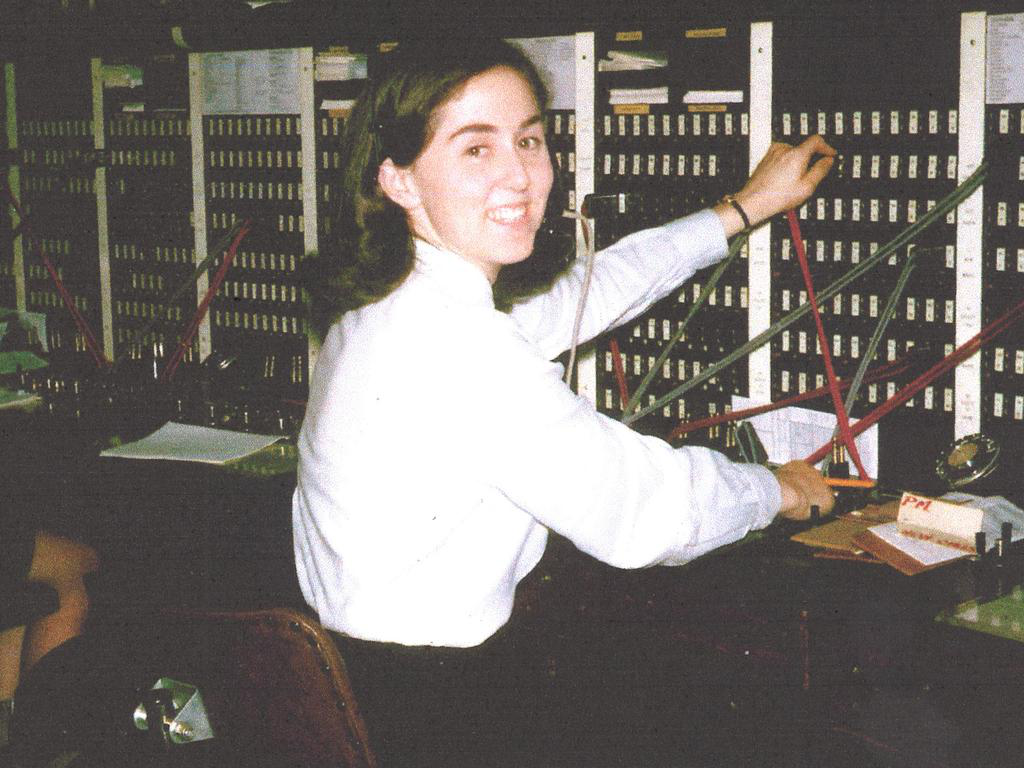
As technology advances, many jobs from the past have quietly disappeared and now seem strange to young people. For instance, in industrial Britain, “knocker-ups” walked the streets carrying long sticks. They tapped on bedroom windows to wake workers. We rely on alarm clocks today, but this was once a real job that lasted in some places until the 1970s.
1.1.What was a knocker-up’s job?
A To sell alarm clocks.
B To wake up workers.
C To clean street windows.
D To make long sticks.
解析:选B。B 细节理解题。根据第一段对“knocker-ups”的描述“They tapped on bedroom windows to wake workers.”可知,他们的工作就是用长棍敲打卧室窗户来叫醒工人。选项A(卖闹钟)与原文相反,文章说今天我们依靠闹钟,但过去才有这个职业;选项C(擦街上的窗户)扭曲了“tapped on bedroom windows”的含义;选项D(制作长棍)属于干扰,长棍只是工具,职业本身是叫醒人。因此正确答案是B。
2.2. What does the phrase “ghost jobs” refer to?
A Old jobs that no longer exist.
B Jobs related to high technology.
C Jobs popular among older people.
D Jobs needing complex skills.
解析:选A。A 词义猜测题。第二段先列举了接线员、电报投递员、点灯人、“人肉计算机”、送奶工等一系列已经消失或正在消失的职业,然后指出Mary Tamvakologos称这些职业为“ghost jobs”。结合下文“它们展示了行业变化能有多快”及“曾经存在却已消失”的语境,可以推断“ghost jobs”指的是不再存在的旧职业。选项B(与高科技相关的工作)与原意相反,这些恰恰是被高科技淘汰的工作;选项C(受老年人欢迎的工作)和选项D(需要复杂技能的工作)都只片面抓取字面联想,没有体现“消失”这一核心特征。故选A。
3.3. The author uses the example of Blockbuster mainly to show that ________.
A teenagers’ gathering places changed
B people preferred staying home to watch movies
C technology made such businesses disappear
D Blockbuster was once successful
解析:选C。C 推理判断题。第三段首先点明顾客的基本需求未变,但技术以更快、更高效的方式满足了它们,接着用Blockbuster(百视达)为例进行论证:在线流媒体服务出现后,DVD需求暴跌,租赁店几乎一夜之间关门。作者举此例的目的,正是要说明技术使得这类传统生意消失。选项A(青少年聚集场所变了)只是表面现象,并非举例要论证的主旨;选项B(人们更愿意在家看电影)虽然隐含在流媒体出现中,但重点在于技术冲击而非个人偏好;选项D(百视达曾经成功)是事实,但不是文章举例的主要意图。因此C为最佳答案。
4.4.What message does the last paragraph mainly convey?
A People should stick to familiar jobs as long as possible.
B Technology has destroyed all traditional ways of life.
C Consumer habits always remain unchanged over time.
D No career is safe forever and adapting is essential.
解析:选D。D 段落大意题。最后一段先转述Tamvakologos的建议:企业要密切关注消费者习惯的变化,反思自身模式;然后引出明确的教训——“no career is safe forever”,能生存下去的是那些在被迫改变之前就愿意适应的企业。由此可见,段落的核心信息是没有永远安全的职业,适应至关重要。选项A(坚持熟悉的工作)与“愿意适应”的建议完全相反;选项B(技术摧毁了所有传统生活方式)夸大了范围,文中仅说很多工作消失,并非“所有”;选项C(消费者习惯永远不变)与该段强调的“观察习惯变化”直接矛盾。因此选D。