
英国禁止16岁以下儿童使用社交媒体
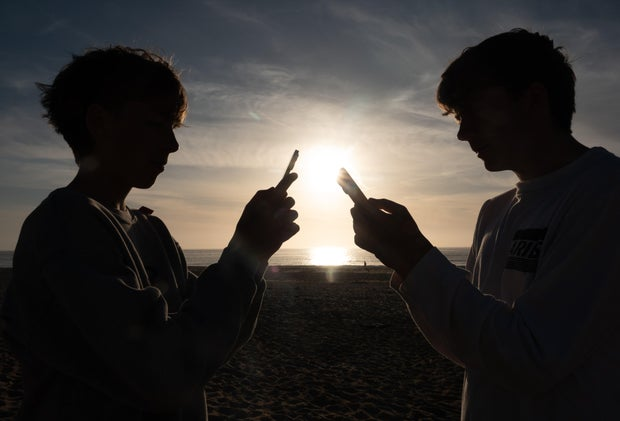
The United Kingdom announced plans to ban children under 16 from using social media apps. Prime Minister Keir Starmer said that the ban would protect children from content that is “designed to be addictive”. The proposed law would bar children under 16 from platforms such as Snapchat, TikTok, YouTube, Instagram, Facebook and X, but messaging services like WhatsApp would still be accessible. People under 18 would also be banned from using artificial intelligence “romantic companions”, though details remained unclear.
The legislation (法规) would put the responsibility on tech companies to ensure children aren’t using their platforms, and they could face huge fines for failing to comply. Starmer hoped the regulations would pass by late December and take effect by spring 2027.
Australia banned under-16s from social media in December 2025, but around 70% of parents polled in March said their children had bypassed age-gating systems. The U.S. Embassy in London voiced similar concern that age-gating would not work, calling parents “the first and best line of defense.” Big tech companies would likely fight the effort too. Starmer was not deterred. “We don’t say: ‘A teenager got a drink somehow, so let’s not ban drinks for children.’ That would be ridiculous!” He noted that British parents overwhelmingly support the ban.
In March, a Los Angeles jury ruled that Meta and YouTube were liable for creating harmful, addictive products. The landmark decision could set a legal precedent (先例). More than a dozen countries, including France and Denmark, were already considering similar legislation.
Yet some communities have gone further. In Greystones, Ireland, parents have voluntarily pledged not to give children smartphones until middle school. The “It Takes a Village” initiative began after teachers noticed rising anxiety following the COVID-19 pandemic. By replacing screen time with game nights and outdoor activities, the community has seen children sleep better and focus more. This raises a key question: Can government bans alone protect children, or do they need the kind of community support that Greystones has built?
原创编写 版权所有 侵权必究 每日更新 个性化阅读 英语飙升1.1. According to the ban, what could a child of 14 still have access to?
A Video-sharing websites.
B Social networking sites.
C Online chat apps.
D AI companion programs.
解析:选C。C细节理解题。第一段的“The proposed law would bar children under 16 from platforms...but messaging services like WhatsApp would still be accessible.”明确16岁以下儿童禁止使用短视频、社交网站,但聊天通讯软件可以正常使用。故选C。
2.2. The underlined word “comply” in Paragraph 2 is closest in meaning to ________.
A pay the fine
B follow the rules
C report the data
D shut down apps
解析:选B。B词义猜测题。第二段的“The legislation would put the responsibility on tech companies to ensure children aren’t using their platforms, and they could face huge fines for failing to comply.”法规要求科技公司管控未成年人,一旦“failing to comply”就会被罚,由此推断comply表示的是“遵守法律要求”。故选B。
3.3. Starmer mentions the example of a teenager getting a drink in order to ________.
A compare two different addictions
B warn against teenage drinking
C prove bans often fail
D support the age restriction
解析:选D。D推理判断题。根据第三段的“A teenager got a drink somehow, so let’s not ban drinks for children.”和“He noted that British parents overwhelmingly support the ban.”以及前文提到有美方使馆、科技企业质疑年龄限制会失效,可推知举青少年饮酒的例子是进行反驳:不能因为有人能钻空子,就废除针对未成年人的禁令,以此论证社交媒体年龄限制政策应当推行。故选D。
4.4. What is the main point illustrated by the Greystones initiative in the last paragraph?
A Teachers can solve mental issues.
B Smartphone bans quickly improve sleep.
C Local cooperation helps protect kids.
D Ireland banned social media nationwide.
解析:选C。C推理判断题。第四段以爱尔兰小镇为例,强调家长、社区共同配合管控电子产品,文末提出反思:仅靠政府禁令不够,还需要社区协同配合。由此可推知,段落核心是“the kind of community support that Greystones has built”。故选C。