
手工 DIY 热潮兴起,体验式消费走红
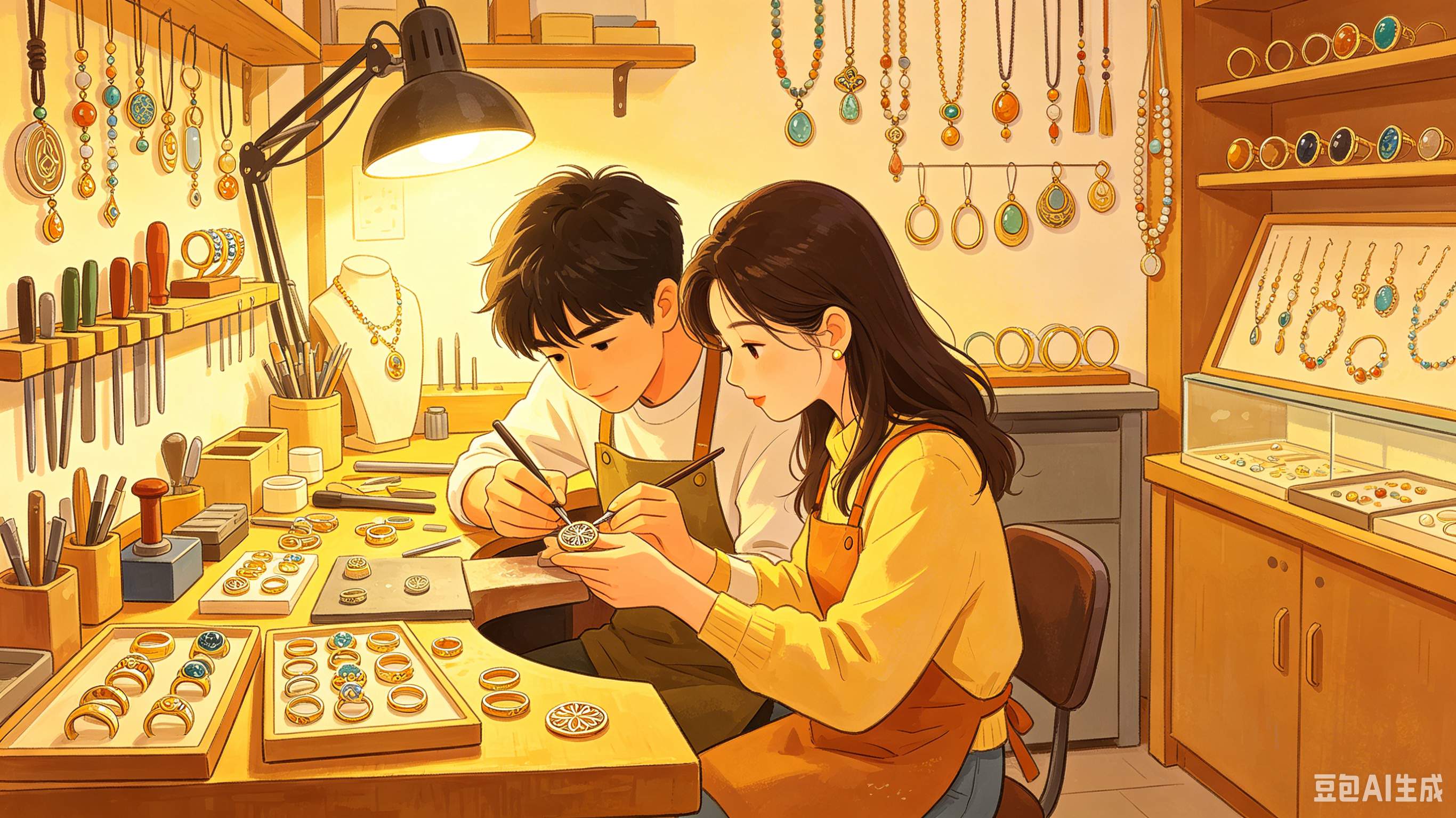
In a busy jewelry studio (珠宝工作室) in Beijing Sanlitun, a young couple carefully carved special dates, star signs and heart shapes on their rings. They focused on their work and shared sweet laughter. Nowadays, more young Chinese people prefer hands-on DIY experiences instead of buying finished gifts in shopping malls, for handmade items hold unique personal feelings.
Shi Yu is one of these young people. She makes handmade gifts with her boyfriend in offline studios and buys online DIY kits for her family and friends. In her eyes, handmade works carry warmth that common store-bought goods do not have. They turn common things into precious memories.
This trend pushes the fast development of China’s experience-based consumption (消费). More people spend money on special emotional experiences rather than simple products to stay away from boring daily life. Many DIY studios are full of visitors on weekends. People put down phones to enjoy making things by hand with their family or friends. Besides modern crafts, traditional handicrafts like paper cutting, seal carving and cloisonne (景泰蓝) are widely loved. Many museums provide intangible cultural heritage DIY courses for visitors to learn traditional culture deeply.
The DIY handicraft industry also brings new jobs for young people. Short DIY videos on Douyin win billions of views online. Lots of handicraft shops opened in recent years with fast yearly growth. The government also supports experience consumption with clear long-term policies. Experts say the industry needs clear industry rules, standardized artisan (手工艺人) training and better protection for original works to develop better in the future.
原创编写 版权所有 侵权必究 每日更新 个性化阅读 英语飙升1.1.What can we infer about young Chinese from the first paragraph?
A They value personal feelings in gifts.
B They enjoy shopping in malls.
C They prefer expensive products.
D They avoid expressing feelings directly.
解析:选A。A 推理判断题。第一段末尾提到"more young Chinese people prefer hands-on DIY experiences instead of buying finished gifts in shopping malls, for handmade items hold unique personal feelings",明确指出年轻人选择DIY是因为手工制品承载着独特的个人情感。A项与此完全吻合。B项与原文"instead of buying finished gifts in shopping malls"相悖;C项"expensive products"文中未提及;D项"avoid expressing feelings"与原文"shared sweet laughter"及重视个人情感的表述相反。故选A。
2.2. Why does Shi Yu love handmade presents most?
A They are the most practical.
B They carry special warm feelings.
C They look more beautiful.
D They are easy to make at home.
解析:选B。B 细节理解题。第二段明确引用Shi Yu的观点:"In her eyes, handmade works carry warmth that common store-bought goods do not have",直接说明她喜欢手工礼物是因为它们带有普通商品所没有的温度。B项准确概括了这一点。A项"most practical"(最实用)、C项"look more beautiful"(更漂亮)、D项"easy to make"(容易制作)在文中均未提及,属于无中生有。故选B。
3.3. Why do museums offer intangible cultural heritage DIY courses?
A To preserve traditional skills.
B To compete with studios.
C To attract only the young.
D To offer cultural experiences.
解析:选D。D 细节理解题。第三段最后一句明确指出博物馆提供非遗DIY课程的目的是"for visitors to learn traditional culture deeply",即为游客提供深入了解传统文化的体验。D项"offer cultural experiences"(提供文化体验)与此一致。A项"preserve traditional skills"(保护传统技艺)虽有一定关联,但原文强调的是"learn traditional culture deeply"这一体验目的;B项"compete with studios"(与工作室竞争)文中未提及;C项"only the young"(只吸引年轻人)与原文"visitors"(泛指游客)不符,过于绝对。故选D。
4.4. What do experts suggest to improve the craft industry?
A Set rules and protect original designs.
B Stop opening new craft shops online.
C Increase training for artisans.
D Encourage people to buy finished goods.
解析:选A。A 细节理解题。最后一段中专家指出,行业未来更好地发展需要“clear industry rules, standardized artisan training and better protection for original works”。选项A“制定规则并保护原创设计”准确概括了其中的两项建议。选项C“增加手工艺人培训”,原文 “standardized artisan training” 强调的是“规范化/标准化”,而非单纯“增加培训数量”;B项“停止开设新网店”和D项“鼓励人们购买成品”均与专家建议相悖。故选A。
5.5. What is the best title for this passage?
A How to Make Rings in a Jewelry Studio.
B The High Cost of Handmade Products.
C The Rise of DIY Culture Among Chinese Youth.
D The Decline of Traditional Chinese Handicrafts.
解析:选C。C 主旨大意题。全文从年轻情侣亲手做戒指引入,介绍了年轻人钟情手工礼物的现象及其背后的情感需求,继而阐述了体验式消费的兴起、非遗手工课程的火热、行业带来的就业以及专家建议,核心主线是中国年轻人中DIY文化的兴起,故C项最适合作标题。A项仅对应开头的细节,B项“手工产品的高成本”文中未提,D项“中国传统手工艺的衰落”与文中传统手艺受喜爱的积极基调完全相反。故选C。