
谷歌CEO送给斯坦福毕业生的三条决策建议
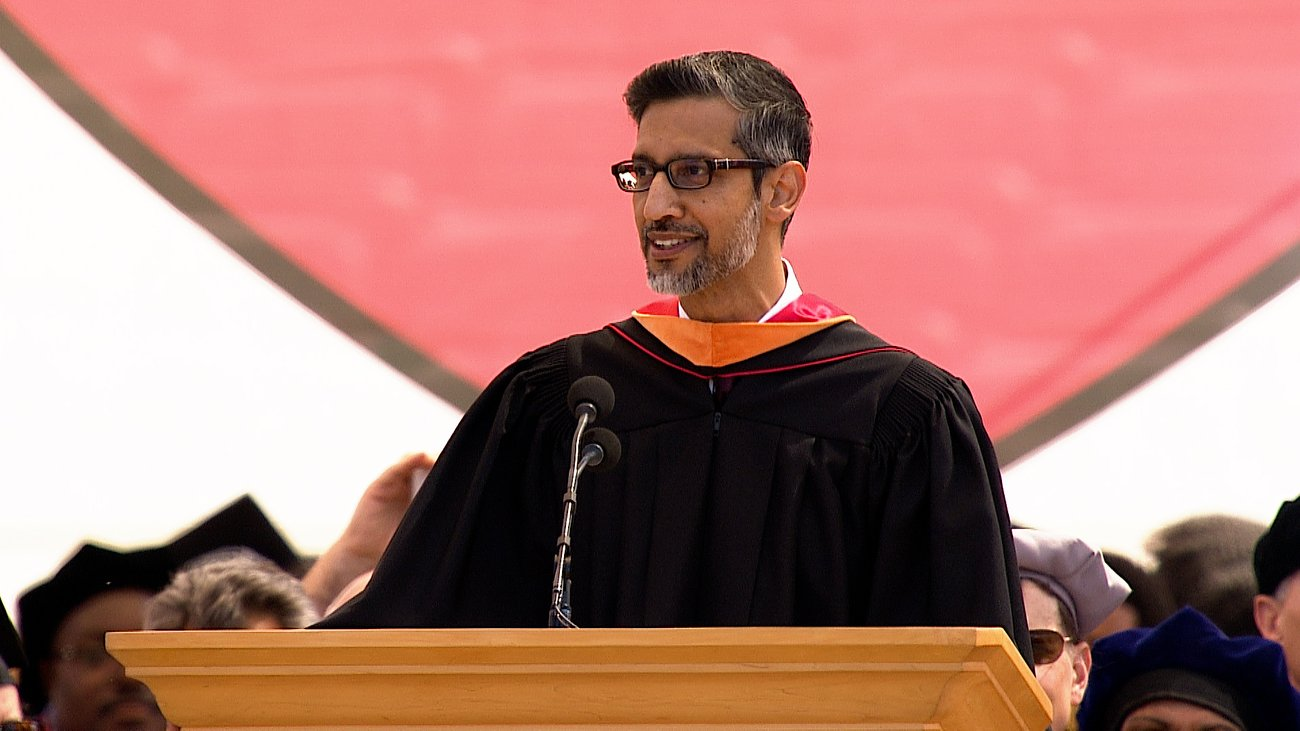
At Stanford University’s 135th graduation ceremony, Sundar Pichai, CEO of Google and Alphabet, addressed over 20,000 attendees. He offered three “filters” that have guided his decision-making.
The first is to choose optimism. When Pichai arrived in California as a student, he expected warm ocean water and green hills, but found cold water and brown landscape. His host gently remarked, “We prefer to call it golden.” Pichai reflected, “Where I saw brown, she saw golden. This small change in perspective had a huge effect on how I viewed the world.”
The second filter is to work on hard things. Early in his career, Pichai joined a small team of about ten engineers to build Chrome, a web browser. Many dismissed the project as impossibly ambitious, insisting it would require hundreds of engineers. Chrome initially attracted millions of users, but growth soon stalled. The team persisted, refining the product relentlessly. “Working on hard things teaches you a lot and attracts positive people,” Pichai noted. “Even if you miss the highest goal, you still achieve something great.”
The third filter is to do what excites you. Technology has always captivated Pichai. “Seeing computing change lives the way it changed mine is the most exciting thing,” he said. He urged graduates not to follow parents’ wishes, friends’ choices, or society’s expectations blindly. Instead, he advised, “Think about the things that keep you chatting excitedly with your roommates late into the night — and go do those.”
Stanford President Jonathan Levin also spoke. He mentioned a revolutionary telescope that initially confuses observers before yielding deeper understanding of the universe. “When this university brings together different ideas, friction can create light, not just heat,” Levin said. He encouraged graduates to embrace such exploration and bring light to the world.
1.1. What did Pichai’s host mean by calling the landscape “golden”?
A Correcting his geography.
B Offering an optimistic view.
C Finding real gold.
D Enjoying poetic language.
解析:选B。B细节理解题。根据第二段,Pichai 初到加州时看到的是 “brown landscape”(棕色荒凉的景象),而房东将其说成 “golden”(金色)。紧接着Pichai反思道:“Where I saw brown, she saw golden. This small change in perspective had a huge effect on how I viewed the world.” 这里明确点出这是一种“perspective”(视角)的转变——把消极的棕色转化为积极的金色。这与第一个filter “choose optimism”(选择乐观)完全呼应。A项“纠正地理知识”错误,因为棕色和金色描述的是同一景观,并非纠正地理事实;C项“发现真金”属于字面误解;D项“享受诗意语言”偏离核心,房东的目的不是文学修辞,而是传递乐观态度。故选B。
2.2. What does Pichai imply about the Chrome project?
A Early success silenced doubters.
B Small team guaranteed success.
C Persistence overcame difficulties.
D A lowered goal ensured victory.
解析:选C。C推理判断题。第三段提到Chrome项目最初吸引数百万用户但"growth soon stalled"(增长停滞),团队"persisted, refining the product relentlessly"(坚持不懈,不断打磨产品)。Pichai的总结"Working on hard things teaches you a lot... Even if you miss the highest goal, you still achieve something great"进一步说明:面对困难,坚持带来了最终成就。A项"早期成功让质疑者沉默"错误,因为文中说"Many dismissed the project"且增长停滞后团队仍面临挑战;B项"小团队保证成功"过于绝对,文中强调的是坚持而非团队规模本身;D项"降低目标确保胜利"曲解文意,"miss the highest goal"指的是即使未达最高目标也能有所成就,而非主动降低目标。故选C。
3.3. What does the underlined word “those” refer to?
A Late-night room conversations.
B Others’ expectations for you.
C Your true personal passions.
D The hardest possible tasks.
解析:选C。C词义猜测题。"those"出现在第四段末尾:"Think about the things that keep you chatting excitedly with your roommates late into the night — and go do those." 往前追溯,"those"指代的是"the things that keep you chatting excitedly..."——即让你深夜仍兴奋地和室友讨论的事情。而该段主旨是"do what excites you"(做让你兴奋的事),并明确反对"follow parents' wishes, friends' choices, or society's expectations blindly"(盲目追随他人期望)。因此"those"指代的是内心真正热爱、让你兴奋的事物。A项"深夜室友谈话"是场景描述而非本质;B项"他人对你的期望"与文意相反;D项"最难的任务"属于第三段内容,与"those"所在语境无关。故选C。
4.4. What can be inferred from Levin’s remark about “friction”?
A Conflict brings valuable insight.
B Avoid mixing different ideas.
C Value instruments over debates.
D Confusion must come first.
解析:选A。A推理判断题。倒数第二段种Levin提到"when this university brings together different ideas, friction can create light, not just heat"——当不同思想碰撞时,摩擦能产生"light"(光/启迪),而不仅仅是"heat"(热/无意义的冲突)。他用望远镜作类比:"initially confuses observers before yielding deeper understanding"(起初令人困惑,最终带来对宇宙更深的理解)。由此可推断,不同观点间的"friction"(摩擦/冲突)能够带来有价值的深刻见解。B项"避免混合不同观点"与文意完全相反;C项"重视仪器胜过辩论"错误,望远镜只是类比,重点在思想碰撞而非仪器;D项"困惑必须先出现"过于绝对,"confuses"是望远镜观察的阶段性现象,Levin强调的是摩擦最终产生启迪,而非困惑是必要条件。故选A。