
森林疗法:用感官接住一座森林的安慰
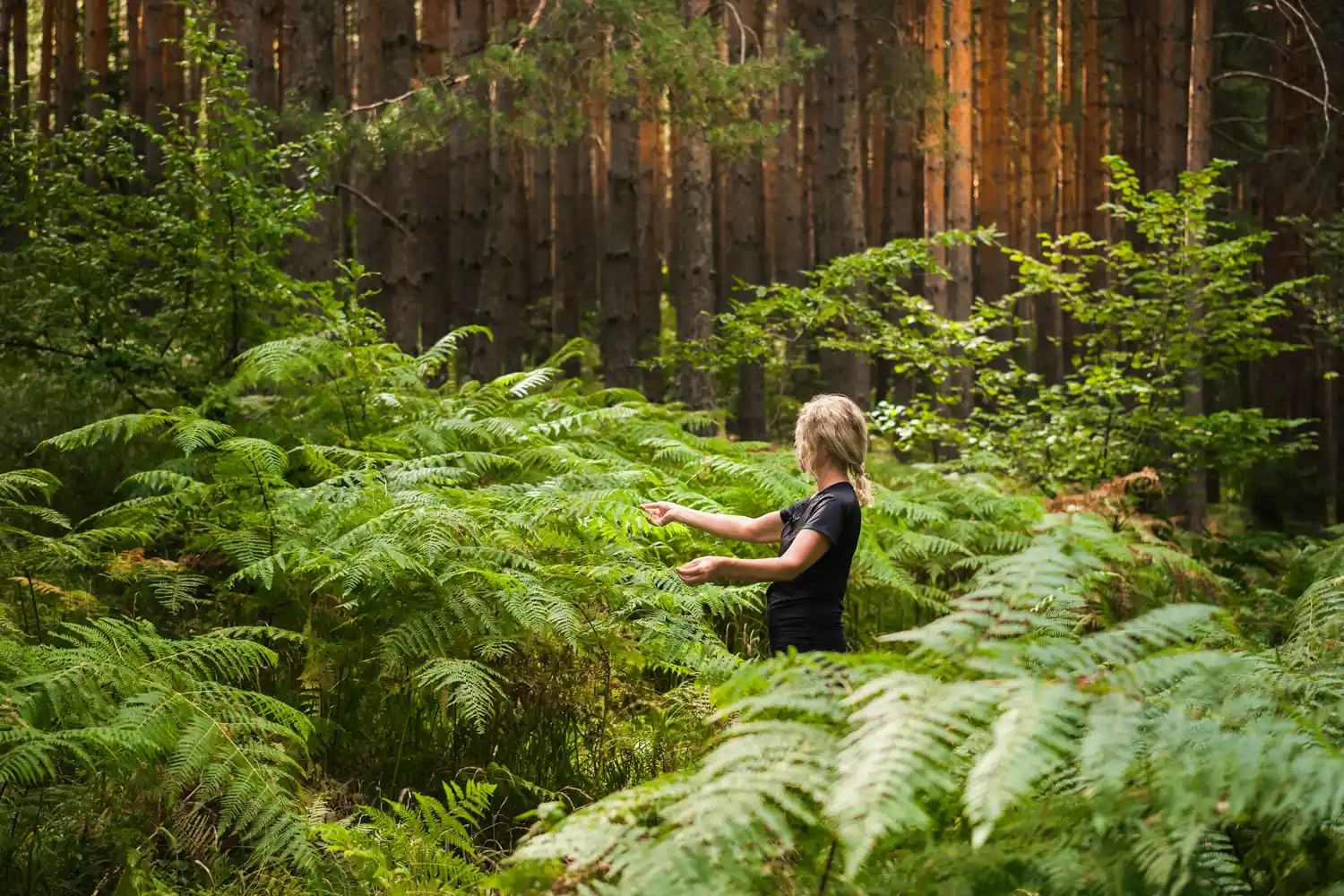
Forest therapy is an umbrella term for activities like meditating, walking, or simply sitting quietly in a forest, all of which aim to promote well-being. What sets it apart from ordinary time outdoors is the conscious use of the five senses to connect with nature. “Merely walking in a forest is insufficient,” says Dr. Stephanie Freitag, a licensed clinical psychologist. “We need to incorporate mindfulness — being truly present with what we see, hear, and feel.”
A 2021 study in the International Journal of Environmental Research and Public Health reviewed research published between 1990 and 2020. It found consistent links between forest therapy and improvements in depression and anxiety symptoms in both healthy people and patients. While more research is needed to explain exactly how it works, the results point to real mental health benefits. “Many people are exposed to constant stimulation — notifications, traffic, screens, and endless demands,” says Jessica Meers, also a clinical psychologist. “Time in nature lets the nervous system settle.”
Experts explain the effects in several ways. Natural light helps regulate our body clock, supporting healthy sleep. The outdoors also demands less focused attention, giving our brain a needed break. “Nature gently holds our attention without fatiguing us,” Meers adds. Meanwhile, the beauty of nature inspires gratitude, a positive feeling known to lessen depression and anxiety. Freitag emphasizes that mindfulness plus gratitude may be the key: “Notice your surroundings through the senses and appreciate nature, which is so easy to take for granted.”
1.1. What distinguishes forest therapy from ordinary outdoor activities?
A It demands intense exercise.
B It requires mindful connection.
C It cures mental illness.
D It relies on modern devices.
解析:选B。B细节理解题。根据第一段,“What sets it apart from ordinary outdoor time is the conscious use of the five senses to connect with nature.”森林疗法区别于普通户外活动的本质在于有意识地运用感官与自然建立联系,即需要“mindful connection”(正念连接)。A项与末段“Consistency matters more than intensity”相悖;C项“治愈精神疾病”夸大效果;D项“依赖现代设备”与末段“turn off your phone”相反。故选B。
2.2.What can be inferred from Meers’ words in Paragraph 2?
A Modern life keeps people overactive.
B Nature offers endless entertainment.
C People should avoid using technology.
D Constant demands improve productivity.
解析:选A。A推理判断题。根据第二段,Meers 指出“Many people are exposed to constant stimulation — notifications, traffic, screens, and endless demands... Time in nature lets the nervous system settle.”她暗示现代生活中人们不断受到各种刺激,神经系统处于过度活跃状态。B项“大自然提供无尽娱乐”无中生有;C项“人们应该避免使用科技”过度推理,原文仅描述现象;D项“持续需求提高生产力”与文意相反。故选A。
3.3.What does the underlined word “fatiguing” in Paragraph 3 mean?
A Exciting.
B Exhausting.
C Disturbing.
D Surprising.
解析:选B。B 词义猜测题。画线词所在的句子说“大自然轻柔地抓住我们的注意力,却不会让我们感到fatiguing”,而前文提到户外活动对注意力的要求较低,能让我们的大脑得到必要的休息。由此可知,“fatiguing”应意为“使人疲劳、耗神”,与选项B的“Exhausting”词义最接近。A项“Exciting”(令人兴奋)意思相反,C项“Disturbing”(令人不安)和D项“Surprising”(令人惊讶)均不符合脑部休息的语境。故选B。
4.4. What is the author’s main purpose in the last paragraph?
A To compare walking with other sports.
B To stress the value of a phone-free life.
C To prove that consistency beats intensity.
D To offer advice for lasting benefits.
解析:选D。D主旨大意题。最后一段引用专家观点“Consistency matters more than intensity”,并提出具体建议:“Start with just five or ten minutes... turn off your phone... keeping a notebook...”这些内容的目的是指导读者如何通过规律、有意识的练习获得持久的益处。选项D准确概括了该段主旨。A项“比较散步与其他运动”文中未提及;B项“强调无手机生活的价值”仅为细节;C项“证明坚持胜过强度”是段落中的论据,而非作者的最终写作目的。故选D。