
追随热爱,成就事业
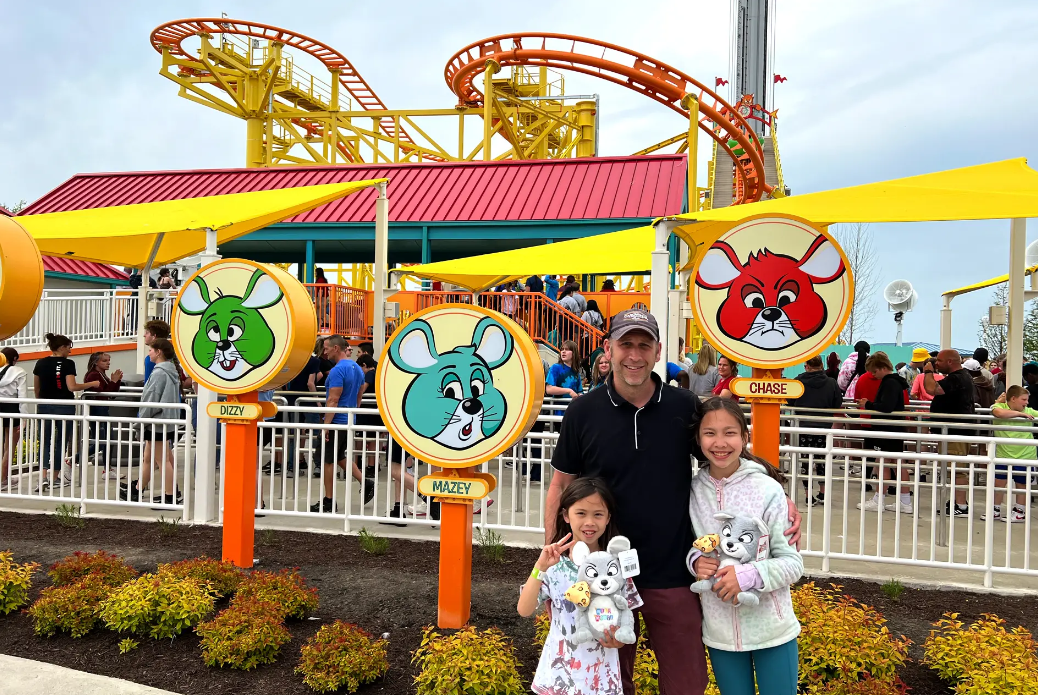
As a child, Adam Sandy was crazy about amusement parks. Instead of pop stars, he put roller-coaster posters and his own design drawings on his bedroom wall. That unusual hobby stayed with him through his teenage years.
Adam’s first real job was selling ad space for a weekly trade newspaper that covered fairs and outdoor entertainment. Adam had always been a shy kid, so talking to strangers was a huge challenge for him. Over time, however, he learned the art of communication and began to enjoy the sales process. That experiencebuilt a firm base for his later career development.
Then he joined a small firm called Ride Entertainment. Because the company was small, Adam wore many hats—he handled installation (安装), marketing, and even helped run a few parks. This taught him the ins and outs of the amusement industry. Yet his deepest passion always lay in roller coasters and sales. By the summer of 2020, he thought he had achieved all he could at this company and planned to seek new chances elsewhere.
Luckily, Zamperla reached out to him exactly on the day he told others he would quit. Back then, Zamperla was not well-known for high-quality coasters, but it kept pouring money into new technical research. Adam saw both risk and great opportunity, so he made the brave choice. At present, working as its roller-coaster sales and marketing director, he has created many amazing projects that impress the whole industry.
Looking back, Adam believes success is built on learning from difficult days and building relationships. He points out that modern sales is no longer just about being friendly—it’s about offering creative solutions to help parks improve.
1.1.What was Adam’s childhood interest?
A Visiting local parks daily.
B Drawing roller-coaster designs.
C Collecting pop star photos.
D Writing amusement park news.
解析:选B。B 细节理解题。文章第一段明确提到,Adam 小时候在卧室墙上贴的是过山车海报和自己的设计图(“he put roller-coaster posters and his own design drawings on his bedroom wall”),可见他童年的兴趣是画过山车设计图。A 项“每天参观当地公园”文中未提;C 项“收集流行明星照片”与原文相反,他“instead of pop stars”恰恰说明没有这样做;D 项“撰写游乐园新闻”是他第一份工作所在报纸的内容,而非童年兴趣。故选B。
2.2. What was Adam’s first real job?
A Installing equipment.
B Marketing coasters.
C Selling ad space.
D Operating parks.
解析:选C。C细节理解题。第二段首句直接交代“Adam’s first real job was selling ad space for a weekly trade newspaper”,因此他的第一份真正工作就是出售广告位。A 项“安装设备”、B 项“营销过山车”、D 项“运营公园”都是后来在 Ride Entertainment 公司身兼多职时才做的事,并非第一份工作。故选 C。
3.3. What does the underlined phrase “wore many hats” in Paragraph 3 mean?
A Owned several hats.
B Took on different roles.
C Changed jobs frequently.
D Worked as a hat seller.
解析:选B。B词义猜测题。画线短语“wore many hats”后面用破折号给出了解释:他同时负责安装、营销,甚至还帮忙运营几个公园。这说明他承担了多种不同的职责,因此短语意思为“承担不同角色”。A 项是照字面理解为“拥有几顶帽子”;C 项“频繁换工作”和 D 项“做帽子销售员”均不符合破折号后的解释。故选 B。
4.4. When did Zamperla contact Adam?
A The day he quit.
B After he graduated.
C In spring 2020.
D Once he set up a team.
解析:选A。A细节理解题。第四段说“Zamperla reached out to him exactly on the day he told others he would quit”,即 Zamperla 联系他的那一天,正是他告诉别人自己要辞职的那天,即A项(辞职那天)。C 项“在 2020 年春天”有误,文中只提到 2020 年夏天他计划寻找新机会,并未说明辞职的具体季节;B 项“毕业后”和 D 项“他成立团队后”文中均未出现。故选A。
5.5. What does Adam say about modern sales?
A It requires a friendly smile.
B It starts from learning alone.
C It means working with pop stars.
D It depends on creative solutions.
解析:选D。D 观点态度题。最后一段 Adam 明确指出,现代销售“is no longer just about being friendly — it’s about offering creative solutions to help parks improve”,即关键在于提供创造性的解决方案,即D项。A 项“需要友好的微笑”是他所否定的旧观念;B 项“从独自学习开始”和 C 项“意味着和流行明星合作”在文中均未提及。故选D。