
法国立法禁止超市丢弃剩食
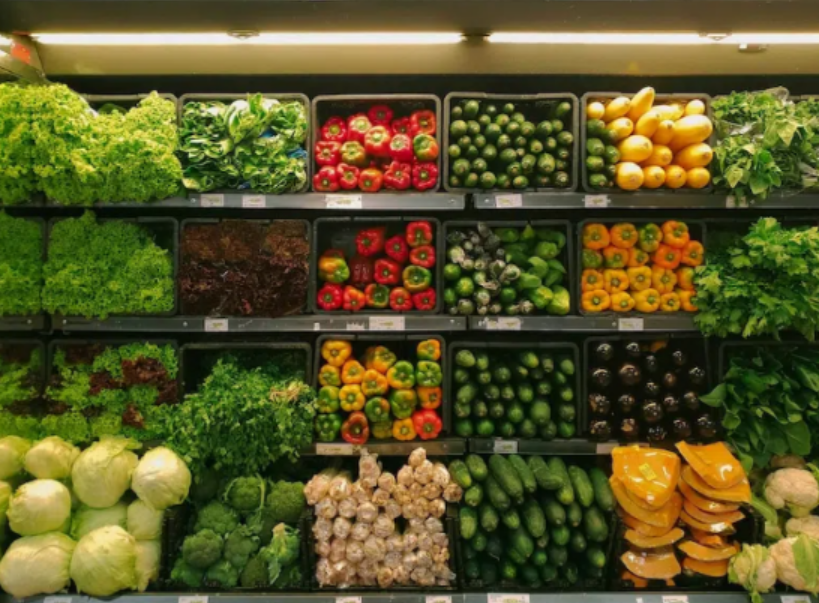
Globally, over 1 billion tonnes of food are wasted each year, even as many people struggle to put meals on the table. That staggering figure represents roughly one-fifth of all food produced worldwide, meaning that a significant share of what’s grown, processed, and transported never actually gets consumed. Fortunately, France decided to act, becoming the first country to do so.
1.1.How does the author introduce the topic?
A By listing numbers.
B By telling a story.
C By asking a question.
D By comparing countries.
解析:选A。A 推理判断题。第一段用over 1 billion tonnes、one-fifth of all food等具体数据引出食物浪费严重这一话题,最后才提到法国的行动。A项By listing numbers(用数据列举)准确概括了这一写作手法。B项讲故事、C项提问、D项比较国家均与第一段的写法不符。故选A。
2.2.The word “comply” in Paragraph 2 probably means ______.
A sell
B donate
C refuse
D obey
解析:选D。D 词义猜测题。第二段说Supermarkets that fail to comply can face fines(未能comply的超市将面临罚款)。法律规定必须捐赠,即不遵守就会罚款。D项Obey(遵守)最符合语境。A(售卖)、B(捐赠)、C(拒绝)均不符合法律处罚这一语境逻辑。故选D。
3.3.What is the author’s attitude toward France’s food waste law?
A Somewhat doubtful.
B Mostly opposed.
C Broadly supportive.
D Fairly neutral.
解析:选C。C 观点态度题。文章对法国食物浪费法的描述使用了Fortunately(幸运的是)、made a real difference(产生了真正的效果)、France led the way(法国率先行动)等积极措辞,体现了作者对这项法律的认可与支持。C项准确概括了作者的立场。A项总体怀疑、B项总体反对与积极措辞矛盾;D项完全中立虽有客观性,但Fortunately等词表明了作者的倾向性。故选C。
4.4.What can be inferred from the last paragraph?
A US food safety rules are strict.
B US law protects food donors.
C US supermarkets rarely donate.
D US adopts France’s model.
解析:选B。B 推理判断题。末段指出美国没有强制捐赠的法律,而是通过removing obstacles(消除障碍)鼓励自愿捐赠,核心是《比尔·埃默森善心食物捐赠法》——该法规定商家捐出食物后,即便食用者出现健康问题,捐赠方也不会被起诉索赔。B项US law protects food donors(美国法律保护捐赠者)是对这一机制的综合推断。A 错误,文中从未提及食品安全法规;C 错误,文章没有超市捐赠频次的相关信息,属于无端猜测;D 错误,法国为强制立法,美国依靠自愿激励,模式不一样。故选B。