
《布鲁伊》:风靡全球的动画背后的故事与争议
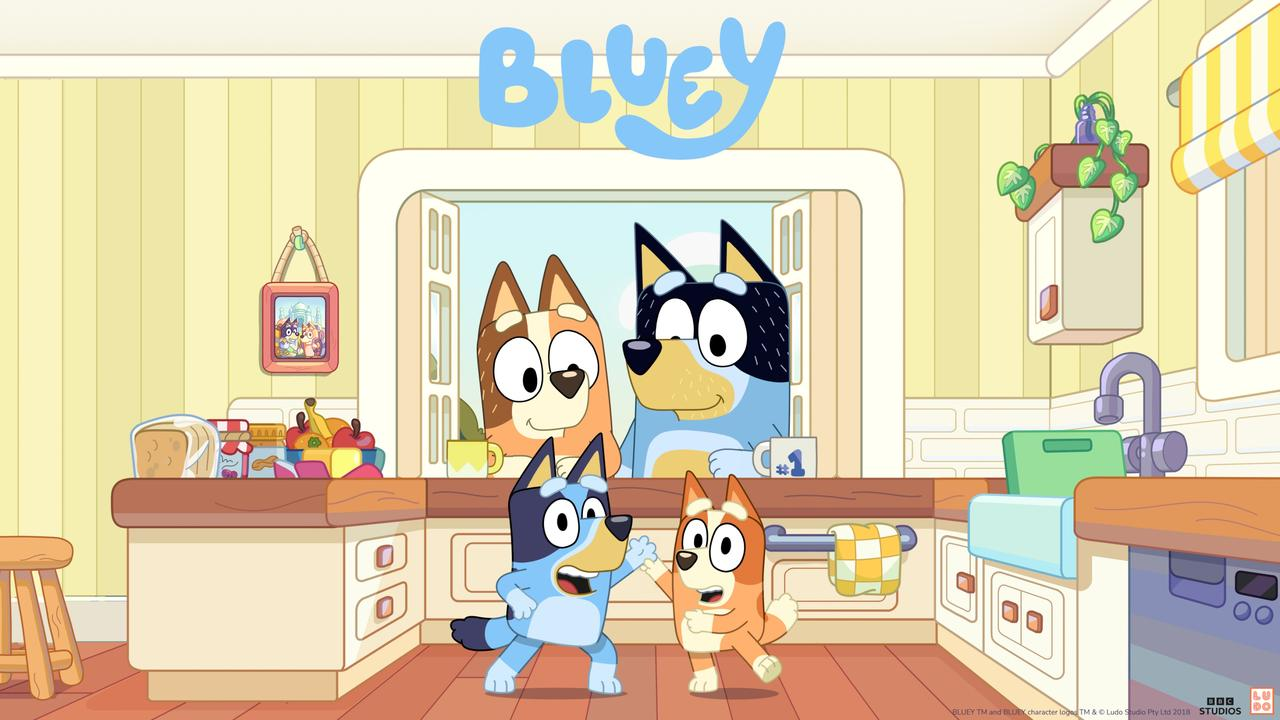
Joff Bush, the composer of Bluey’s famous theme song, almost turned down the job that later made him a star. When the show was first offered to him, he said no. He had no experience writing music for children aged four to six and did not feel ready for it. But after seeing the show, he changed his mind completely. “I knew the sound immediately, which doesn’t always happen,” he said.
Bush joined the project and played the theme song for an American friend. She could not understand the words because of the strong Australian accent. At that time, Bush believed the show would never succeed in the United States. The US, however, has since become the biggest market for Bluey. Americans watched 45.2 billion minutes of the show last year alone, making it one of the most-streamed programs in the country. Its popularity in America surprised even the show’s creators.
Bluey was co-produced by the ABC in Australia and the BBC in Britain in 2017. The ABC paid most of the money and got Australian broadcasting rights. The BBC paid 30 percent of the production costs and got global distribution and commercial rights. The cartoon about a Blue Heeler family is now watched in over 140 countries and has become a favorite for families worldwide. The show has won many awards and is loved for its emotional depth and warmth. It connects with both children and adults alike.
1.1.What did Joff Bush do when Bluey was first offered to him?
A He accepted it right away.
B He turned it down.
C He asked for more pay.
D He wanted to think it over.
解析:选B。B细节理解题。根据第一段的“When the show was first offered to him, he said no. He had no experience writing music for children aged four to six and did not feel ready for it”可知,Joff Bush认为自己没有经验、没准备好,所以拒绝了这份工作。故选B。
2.2.What can be inferred from Paragraph 2?
A The friend helped with the song.
B The friend disliked the song.
C The accent was changed later.
D Bush was wrong about the US.
解析:选D。D推理判断题。根据第二段的“At that time, Bush believed the show would never succeed in the United States”以及后文“The US, however, has since become the biggest market for Bluey. Americans watched 45.2 billion minutes of the show last year alone”可知,Bush原本认为该节目在美国不会成功,但事实恰恰相反——美国已成为Bluey的最大市场。由此可推断Bush对美国市场的判断是错误的。故选D。
3.3.The underlined word “distribution” in Paragraph 3 probably means ______.
A creation and design
B sale and delivery
C planning and testing
D writing and recording
解析:选B。B词义猜测题。根据第三段的“The BBC paid 30 percent of the production costs and got global distribution and commercial rights”,distribution与commercial rights(商业权)并列出现,且搭配global(全球的),可推断distribution与“将节目推向市场”有关,意为“销售和发行”。A项“创作和设计”、C项“策划和测试”、D项“写作和录制”均不符合“发行/销售”的语义。故选B。
4.4.What is the writer’s attitude toward the ABC’s deal?
A Strongly supportive.
B Completely indifferent.
C Mostly disapproving.
D Slightly amused.
解析:选C。C观点态度题。根据第四段的“has cost Australia up to 2.5 billion dollars a year”、“Australia gets nothing from them”、“the money that was lost”、“faced repeated criticism”等一系列负面表述,可知作者对ABC的这笔交易持不赞同(批评)的态度。A项“强烈支持”、B项“完全不在意”、D项“有点好笑”均与文中负面基调不符。故选C。