
逐草而居:草原上的大迁徙
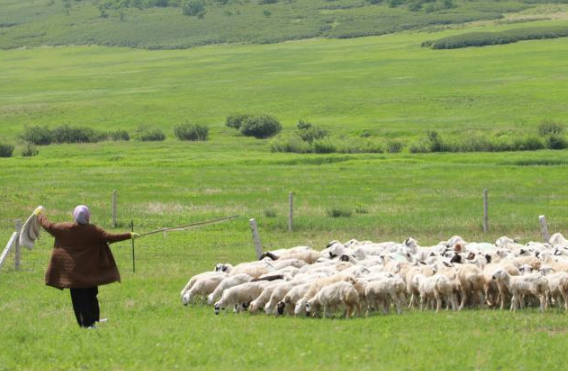
Every summer, herders (牧人) in Inner Mongolia move their animals to new grasslands. This is called “Otor” in Mongolian. It is a very old tradition.
In June, over 1,200 families start the big move. They take their sheep, cows, and horses to summer pastures (牧场). The grass there is fresh and green, and there is plenty of water. The animals walk for many days. Some families travel over 100 kilometers.
1.1. When do herders in Inner Mongolia move their animals?
A In spring.
B In summer.
C In winter.
D
解析:选B。B细节理解题。根据第一段的“Every summer, herders in Inner Mongolia move their animals”可知,他们每年夏天转场。故选B。
2.2. What is “Otor” in Mongolian?
A A kind of tent.
B A special holiday.
C A seasonal animal move.
D
解析:选C。C细节理解题。根据第一段的“This is called ‘Otor’ in Mongolian”及前文“move their animals to new grasslands”可知,Otor指季节性的动物迁移。故选C。
3.3. Why do the herders move their animals?
A To find grass and water.
B To sell them in the city.
C To stay away from cold.
D
解析:选A。A推理判断题。根据第二段的“The grass there is fresh and green, and there is plenty of water”可知,转场是为了寻找新鲜的牧草和水。故选A。
4.4. How far do some families travel?
A Less than 50 kilometers.
B Around 200 kilometers.
C More than 100 kilometers.
D
解析:选C。C细节理解题。根据第二段的“Some families travel over 100 kilometers”可知,有些家庭要走100多公里。故选C。
5.5. What can we learn about the herders’ life during the move?
A They live close to nature.
B They travel by train.
C They stay in city hotels.
D
解析:选A。A推理判断题。根据最后一段的“The herders live in tents along the way. At night, they cook dinner under the stars”可知,转场途中牧民住在帐篷里、在星空下做饭,可推断出他们过着亲近自然的生活。B无中生有(未提及火车),C颠倒是非(原文说住帐篷,而非城市酒店)。故选A。