
黑熊偷蜜吃胖!生态变好野生动物归来
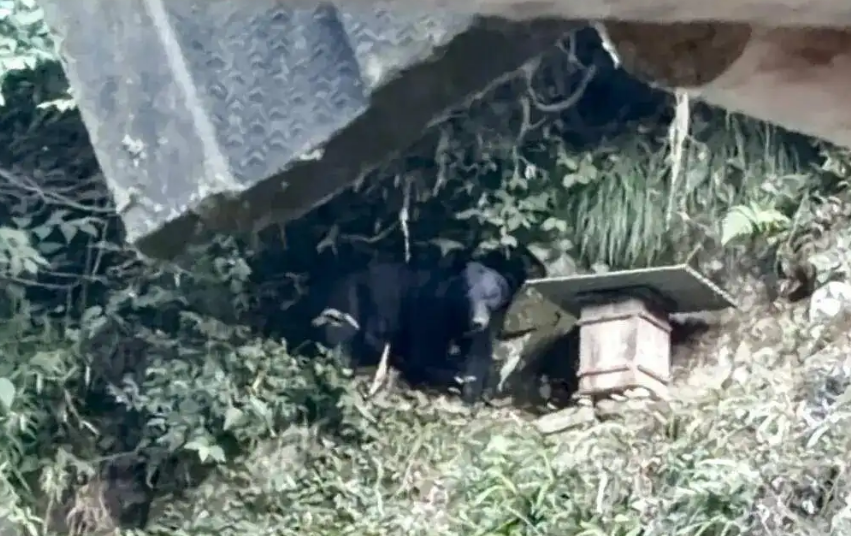
In Hubei Province, a black bear has become very fat. The 200-kilogram bear keeps stealing honey from villagers’ beehives. It first stole a whole bucket of honey from a villager’s backyard. Then it visited another home three times and took 15 beehives from a farmer named Wang Gonghu.
The villagers joked that the bear got chubby because of all the honey it ate. Wang said he actually felt proud that a black bear came to feed on his honey. To him, it was a good sign. The bear’s arrival showed that the local environment and ecosystem are improving.
Wang also knows the importance of protecting wildlife. For the loss of his beehives, he will receive partial compensation(部分赔偿) through insurance. But he pointed out that people must also keep themselves safe while protecting animals.
In recent years, the county has worked hard on ecological restoration and wildlife protection. Illegal hunting is now strictly forbidden. Besides black bears, villagers often see other protected animals like golden snub-nosed monkeys. This story shows that when nature is protected, wild animals return—and sometimes they bring a little trouble with them.
原创编写 版权所有 侵权必究 每日更新 个性化阅读 英语飙升
1.1. What did the black bear do?
A It visited many cities.
B It helped Wang.
C It stole honey.
D It took care of bees.
解析:选C。C细节理解题。根据第一段“The 200-kilogram bear keeps stealing honey from villagers’ beehives”可知熊一直在偷村民的蜂蜜。A无中生有(未提及城市),B颠倒是非(熊造成损失,没帮忙),D颠倒是非(熊偷蜂箱而非照看蜜蜂)。故选C。
2.2. What did Wang learn from the bear?
A The environment was better.
B The honey was very valuable.
C The bear needed protection.
D The bear was dangerous.
解析:选A。A推理判断题。根据第二段“Wang said he actually felt proud...The bear’s arrival showed that the local environment and ecosystem are improving”可知王从熊的出现得出“当地环境在变好”的结论。B无中生有(未讨论蜂蜜价值),C过度推理(熊不需要个人保护),D颠倒是非(熊的出现是好兆头,不是危险信号)。故选A。
3.3. What does Wang warn about?
A Catching the wild bear.
B Giving up beekeeping.
C Moving to the city.
D Keeping safe around animals.
解析:选D。D细节理解题。根据第三段“people must also keep themselves safe while protecting animals”可知王提醒人们在保护动物的同时也要注意自身安全。A颠倒是非(王支持保护野生动物,不会建议抓熊),B无中生有(未提放弃养蜂),C无中生有(未提搬去城市)。故选D。
4.4. What can we learn about the county’s wildlife?
A It is rich in protected animals.
B It has only black bears.
C It is losing many animals.
D It keeps animals in zoos
解析:选A。A推理判断题。根据最后一段“Besides black bears, villagers often see other protected animals like golden snub-nosed monkeys”可知当地不仅有黑熊,还有金丝猴等多种保护动物,物种丰富。B以偏概全(除了黑熊还有金丝猴等),C颠倒是非(动物正在回归、数量增多),D无中生有(未提及动物园)。故选A。
5.5. What is the best title for the passage?
A A Honey-Loving Bear
B How to Keep Bees
C The Dangers of Wild Animals
D Safety Around Wild Animals
解析:选A。A主旨大意题。全文围绕“爱偷蜂蜜的黑熊”展开——从偷蜜变胖、村民玩笑、王的骄傲到生态改善。B无中生有(非养蜂教程),C以偏概全(危险只是文中一个提醒,整体轻松有趣),D过度推理(把“注意安全”放大为标题主题,偏离主线)。故选A。