
数字时代的反向潮流:年轻人重拾“奶奶辈”爱好
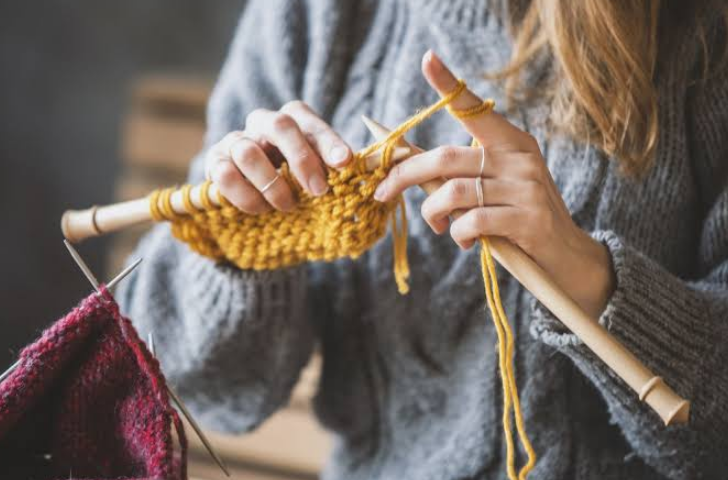
Young people are putting down their phones and picking up “grandma hobbies”. Knitting, crochet, journaling, painting and gardening were once hobbies of grandparents. Now they are quietly becoming one of the biggest lifestyle trends among young people.
The revival comes at a time when digital fatigue and burnout are increasingly common. Many students spend hours each day attending online classes, working on laptops or scrolling through social media, and the endless streams of information leave them feeling drained. Hobbies that slow life down are becoming a welcome escape. Searches for the term “analogue hobbies” have risen noticeably since early 2026. Ironically, these activities are finding popularity on the very social media platforms young people are trying to spend less time on.
What can these old hobbies offer that screens cannot? The answer, researchers say, is uninterrupted time to create, focus and simply be present. Several studies suggest that the repetitive motions of crocheting and sewing are linked to reduced anxiety. Journaling and painting are seen as safe outlets for self-expression, while gardening brings both mental and physical health benefits. These activities can lower stress, improve memory and build a habit of mindfulness. A hobby, in this sense, is not about being good at it but about the pleasure of doing it.
For many young people, making things by hand is also a conscious step away from fast fashion and mass-produced goods, as it encourages repair, reuse and mindful consumption. Old stereotypes are fading, too. In the past, girls were often taught stitching and crochet as life skills; today young men and women alike embrace these crafts because they enjoy creating something with their own hands. Online clubs and communities are helping the trend spread and helping people reconnect with family traditions. In a world that celebrates speed and productivity, every knitted row and every brushstroke encourages people to pause, enjoy the process and find joy in making something with care. Perhaps that is what makes the trend meaningful: it offers a chance to connect with ourselves and with the people around us.
原创编写 版权所有 侵权必究 每日更新 个性化阅读 英语飙升
1.1. What are “grandma hobbies” according to the passage?
A Old-fashioned handcrafts.
B Online games for the old.
C Sports in the school park.
D Apps for making friends.
解析:选A。A 细节理解题。根据第一段“Knitting, crochet, journaling, painting and gardening were once hobbies of grandparents”可知,编织、钩针、日志、绘画、园艺这些曾属于祖辈的传统爱好,即“奶奶爱好”。故选A。
2.2. The underlined word “burnout” in Paragraph 2 probably means ______.
A strong wish for time outdoors
B extreme tiredness from long-time stress
C great excitement about online classes
D habit of giving up things halfway
解析:选B。B 词义猜测题。根据第二段“digital fatigue and burnout are increasingly common”及下文“endless streams of information leave them feeling drained”可知,面对无尽的信息流学生们感到疲惫不堪;burnout指“因长期压力导致的极度疲惫”。故选B。
3.3. Why does the author call it ironic that the hobbies spread on social media?
A The elderly still enjoy these platforms.
B Young users dislike watching craft videos.
C People use them to get away from screens.
D Social media makes handwork look old.
解析:选C。C 推理判断题。根据第二段“these activities are finding popularity on the very social media platforms young people are trying to spend less time on”可知,人们为减少刷屏而投向慢爱好,而这些爱好恰恰又在他们想少用的社交平台上走红,构成反讽;可推断“人们为了逃离这些平台才爱上这些爱好”。故选C。
4.4. What can we infer from the last two paragraphs?
A The trend may last as it fills a need.
B Only young girls enjoy these handcrafts.
C Schools should add crafts to classes.
D Fast fashion will soon disappear.
解析:选A。A 推理判断题。根据第三段(减压、改善记忆、培养专注)与第四段(逃离快时尚、连接自我与他人)可知,手工爱好满足的是真实的内心需求,故可推断“这一趋势很可能持续”;B 与第四段“young men and women alike embrace these crafts”相矛盾,C、D 文中无依据。故选A。