
餐桌上的选择,正在塑造你的大脑
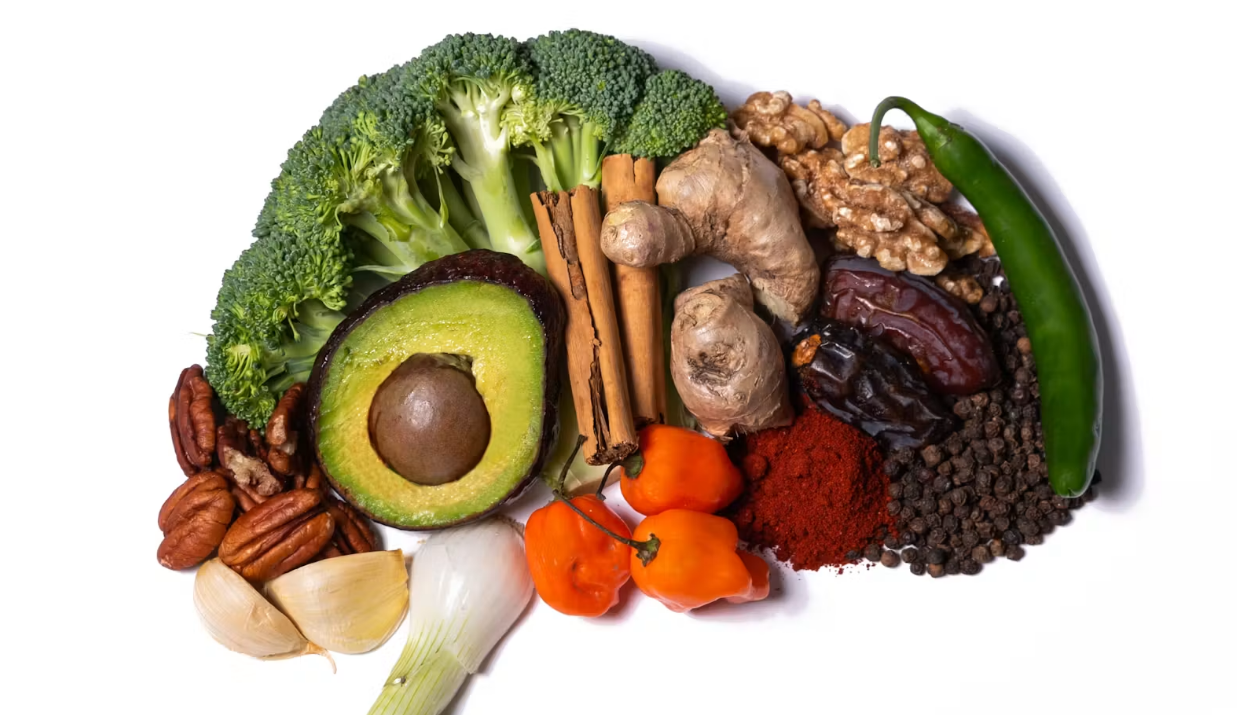
What we choose to eat may shape more than our waistlines. Foods rich in sugar, fat, and salt appeal to many people because they provide quick satisfaction. Yet such foods are usually high in calories and low in nutrients, harming both body and mind. Fast food lovers may face a higher risk of weight gain and other health problems. Now scientists say our food choices may also influence how well our brains work.
A new study from Fudan University and the University of Cambridge, published in Nature Mental Health, examined the food preferences of 181,990 participants from the UK Biobank. The researchers compared four diet groups: a healthy balanced diet, chosen by 57 percent; a low-carb diet, 18 percent; a vegetarian diet, 6 percent; and a high-protein, low-fibre diet, 19 percent.
The results were clear. Those who preferred a balanced diet did better in memory, processing speed and problem-solving than the other groups. Brain scans showed the same: the balanced group had more grey matter (灰质) — the brain’s outer layer — and better-structured neurons (神经元), two key markers of brain health. Perhaps surprisingly, the vegetarian diet did not fare as well as the balanced one. One reason, the researchers suggest, is that many vegetarians may not get enough protein. The team also points to two balanced diets long linked to brain health: the Mediterranean and MIND diets, which encourage fish, dark leafy vegetables, fresh fruits, grains and nuts, while limiting red meat, fats and sugars.
Genes partly decide what we enjoy eating, the study adds, but food preferences are not destiny. “If you reduce your sugar and fat intake slowly and keep it low for several months, you will actually begin to prefer that type of food,” the researchers write. Small, steady changes, in other words, can feed a better brain.
原创编写 版权所有 侵权必究 每日更新 个性化阅读 英语飙升
1.1. Many people choose sweet or fatty foods because they ______.
A cost less than healthy food
B taste better than healthy food
C offer pleasure right away
D help them stay energetic
解析:选C。C细节理解题。根据第一段的“Foods rich in sugar, fat ,and salt appeal to many people because they provide quick satisfaction”可知,高糖高脂食物吸引人是因为它们带来快速的满足感,即“带来即刻的愉悦”。故选C。
2.2. What can we learn about the four diet groups from Paragraph 2?
A The low-carb group ranked second.
B Most participants avoided meat.
C The four groups were of similar size.
D Vegetarians were the smallest group.
解析:选D。D 细节理解题。根据第二段的“compared four diet groups: a healthy balanced diet, chosen by 57 percent; a low-carb diet, 18 percent; a vegetarian diet, 6 percent; and a high-protein, low-fibre diet, 19 percent”可知,四组中素食组仅占6%,为各组最低,可推断“素食者占参与者的比例最小”。A项:低碳水组占18%,低于高蛋白低纤维组的19%,仅排第三,并非第二;B项与素食仅6%矛盾;C项与57%和6%的悬殊差距不符。故选D。
3.3. The underlined word “fare” in Paragraph 3 probably means ______.
A perform
B fail
C benefit
D disappear
解析:选A。A词义猜测题。画线句前文“the balanced group had more grey matter... two key markers of brain health”说明均衡饮食组的脑健康指标更好;画线句“the vegetarian diet did not fare as well as the balanced one”承接上文,将素食组与均衡组作比较,意为素食组在脑健康上的“表现”不及均衡组。由此推知fare意为“表现”,与perform同义。B项fail“失败”程度过重,原句只说“不如”均衡组,并未说“失败”;C项benefit“受益”与did not... as well as的比较结构逻辑不通;D项disappear“消失”与语境无关。故选A。
4.4. What can we learn from the last paragraph?
A Genes fully decide what we enjoy eating.
B Our tastes in food can change slowly.
C Exercise matters more than diet.
D Sweet foods are the best energy source.
解析:选B。B 推理判断题。根据末段的“food preferences are not destiny”及“If you reduce your sugar and fat intake slowly and keep it low for several months, you will actually begin to prefer that type of food”可知,口味并非命中注定,通过数月缓慢减少糖脂摄入,人会逐渐爱上清淡食物,可推断“饮食口味可以慢慢改变”。A项与原文“partly decide”相悖;C、D项文中无依据。故选B。