
“奶奶房”:澳洲大家庭的居住新方式
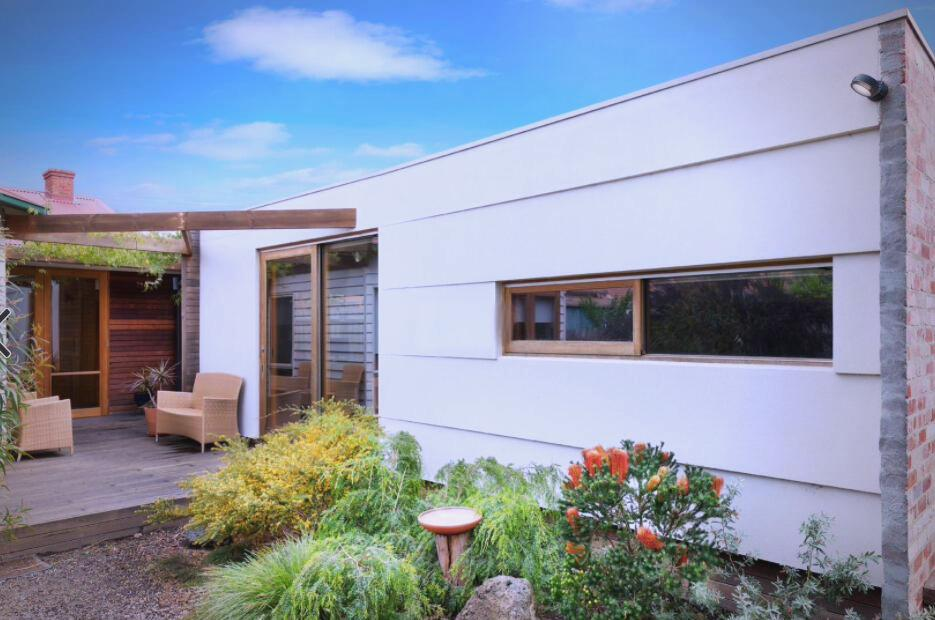
In Australia, houses are very expensive. Many young people cannot buy their first home. Because living costs are also high, more families now live together in one house.
From 2016 to 2021, the number of these families grew by 22%. Grandparents often help. They make their homes bigger by building a small extra house in the backyard. This helps the family save money. Grandparents can also help with child care.
Now, people hope the government will make it easier to build these small extra houses. These houses are often called “granny flats”.
1.1.Why do young people live with family?
A They like it.
B Their homes are small.
C They are lonely.
D Houses are too expensive.
解析:选D。D 细节理解题。文章开头明确说明“houses are very expensive”和“Many young people cannot buy their first home”,同时生活成本也很高,因此更多年轻人选择和家人住在一起。所以D项“房子太贵”是直接原因。A项“他们喜欢”在文中没有提到;B项“他们的房子很小”与文章内容相反,是祖父母把房子变大来容纳家人;C项“他们孤独”也完全没有依据。
2.2. How do grandparents help with housing?
A Buy new houses.
B Make homes bigger.
C Move to other cities.
D Find new jobs.
解析:选B。B 细节理解题。文章第二段说祖父母通过在院子里加盖一套小房子来“make their homes bigger”,从而帮助解决住房问题。因此B项正确。A项“买新房子”不符合文意,文中是加盖小房子而不是购买新房;C项“搬到其他城市”和D项“找新工作”在文中均未提及。
3.3. What are “granny flats”?
A Big city houses.
B Old houses.
C Small extra houses.
D Government houses.
解析:选C。C 词义猜测题。文章最后一句说“These houses are often called ‘granny flats’”,这里的“These houses”指的就是前文提到的“a small extra house in the backyard”,所以“granny flats”指的是后院加盖的小型附加住房。A项“大城市里的房子”、B项“旧房子”和D项“政府房子”都不符合文中对该词的解释。
4.4. What is the passage about?
A Building more houses.
B Grandparents’ jobs.
C Caring about children.
D Families living together.
解析:选D。D 主旨大意题。全文围绕澳大利亚因房价和生活成本高,越来越多家庭选择住在一起这一现象展开,并提到祖父母通过加盖小房子来帮助家庭同住。因此文章主旨是“家人同住”这一趋势。A项“建更多房子”只是文中提到的一个帮助方式,不是全文中心;B项“祖父母的工作”和C项“关心孩子”都只是同住生活中的一个细节,不能概括全文。