
机器人教师:帮手还是替代者?
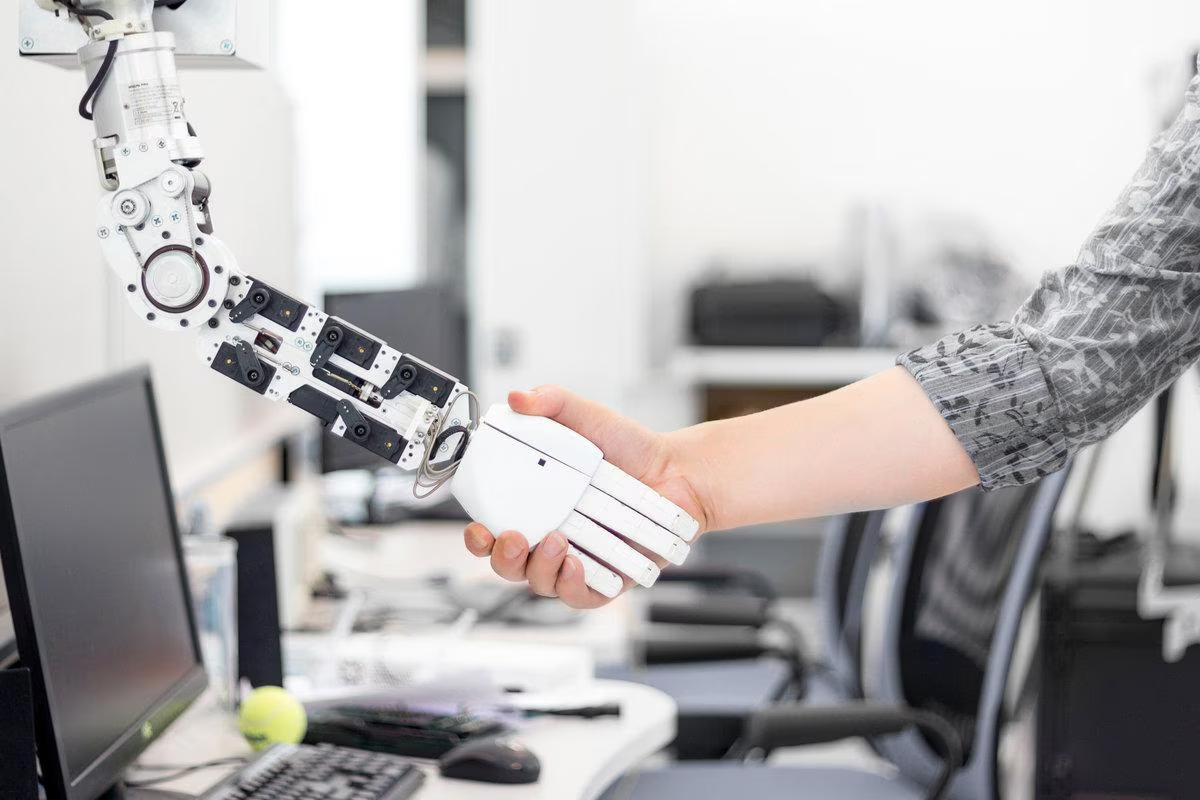
When people list jobs that robots could never do, doctors and teachers often come to mind. It is easy to imagine robots cleaning houses or working in factories, because these jobs seem to follow clear rules. But some jobs also need warmth, judgment and creativity. Are we underestimating robots? In some ways, machines can already help doctors find some illnesses earlier, and some patients may share secrets more freely with a machine. Could robots also have a place in education?
British expert Anthony Seldon thinks so. He predicts robot teachers will enter classrooms soon. Robots will pass on knowledge, while teachers work as helpers. Smart robots read students’ faces and movements, then change their teaching to fit each student. However, robots are unlikely to have true feelings and connect with humans as real teachers do.
One thing is certain: a robot teacher is better than no teacher. In some parts of the world, there are not enough teachers, and many children under 14 cannot go to school. Robots could help because they can teach almost anywhere. They will not get stressed or tired, and they will not leave for an easier, better-paid job.
1.1.What can machines already help doctors do?
A Clean houses for doctors.
B Discover certain illnesses.
C Make patients share secrets.
D Perform an operation.
解析:选B。B 细节理解题。根据第一段“machines can already help doctors find some illnesses earlier”可知,机器已经能帮医生更早发现一些疾病,“发现某些疾病”正是B项的意思。A项“帮医生打扫房子”——文中只说机器人能打扫屋子,没说这是帮医生做的;C项“让病人分享秘密”——原文是病人自己更愿意向机器倾诉,不是机器让他们开口;D项“做手术”文中根本没有提到。故选B。
2.2.In Seldon’s opinion, what role will teachers play?
A Giving main lessons.
B Reading students’ minds.
C Helping robots teach.
D Leaving for better jobs.
解析:选C。C 细节理解题。根据第二段“Robots will pass on knowledge, while teachers work as helpers”可知,在Seldon看来,机器人负责传授知识,教师是辅助的,C项“帮助机器人教学”正是这个意思。A项“上主要课程”——上课的是机器人,不是教师,说反了;B项“读懂学生心思”——文中只说机器人能“read students’ faces and movements”(读面部和动作),“读心”是夸大了,而且题干问的是教师的角色;D项“为更好的工作离开”——文中说的是机器人“不会”为了更好的工作离开,这也不是教师的角色。故选C。
3.3.Why can robots help in some areas with few teachers?
A Because they can teach every subject.
B Because they can check homework.
C Because they do better in cities.
D Because they can go to any village.
解析:选D。D 细节理解题。根据第三段“Robots could help because they can teach almost anywhere”可知,机器人能帮上缺教师的地区,是因为它们几乎能在任何地方上课。D项“能去任何村庄”虽在 “几乎(almost)” 这一程度上有轻微差异,但仍是四选项中最接近原文、最符合题意的一项。A 项 “教所有科目” 文中并未提及;B 项 “批改作业” 是第四段所说机器人帮教师省时间的事,与 “缺教师的地区” 无关;C 项 “在城市教得更好” 与原文 “teach almost anywhere” 不符 —— 机器人哪儿都能教,不止城市,故排除。故选 **D**。
4.4.The underlined word “overworked” probably means ________.
A getting high pay
B feeling very relaxed
C moving to new places
D having too much work
解析:选D。D 词义猜测题。根据第四段“Teachers leave because the job is difficult and they feel overworked”可知,教师离开是因为工作难、觉得活儿太多,再结合构词over-(过度)+ work(工作),可推出意思是“活儿太多”,选D项“having too much work”。A项“拿高薪”——文中只提到机器人不会为了更高薪的工作离开,与这个词的意思无关;B项“很放松”跟前面的“difficult”(难)正好相反;C项“搬到新地方”文中没有依据。故选D。
5.5.What does the writer mainly want to tell us?
A Robots can be good helpers for teachers.
B Robots will take over all classrooms.
C Robots teach better than people.
D Teaching is too difficult for robots.
解析:选A。A 主旨大意题。文章从“机器人能不能当老师”问起,最后落到第四段的点题:问题不是“Will robots replace teachers?”而是“How can robots help teachers?”——机器人替教师改作业、分担工作,教师才能专心做理解、鼓励、激励学生的事。“帮助教师,而不是取代他们”正是A项的意思。B项“接管所有教室”与文章主旨相反;C项“机器人比人类教师教得好”与文中“robots are unlikely to have true feelings”(机器人很难有真实情感)的说法不符;D项“教学对机器人太难”也说反了,文中明说机器人不会累、不会辞职。故选A。