
团队合作成就梦想?小组作业利弊谈
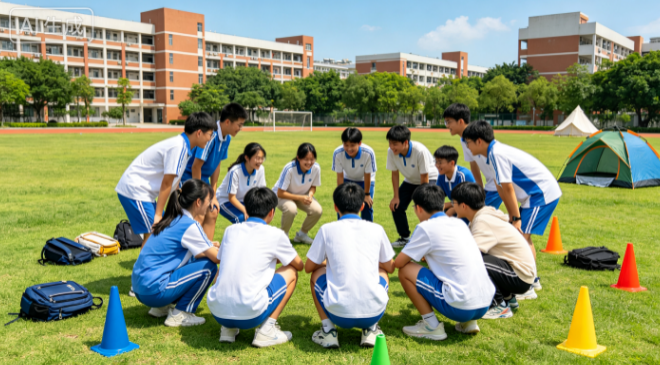
“Teamwork makes the dream work” — or does it? Group projects are part of almost every student’s school life. Some students enjoy working with others, while others find it painful. So, are group projects really good for students? To find out, we asked several high school students for their opinions. Their answers were surprisingly different.
Supporters believe that group projects do more good than harm. First, they push students to talk and cooperate, which helps build social skills and even new friendships. When everyone uses their own strengths, the whole group moves forward faster. These projects also build leadership skills, because members must organize tasks and make decisions together. Besides, hearing different ideas can open one’s mind. As one student put it, teamwork “breaks us out of our bubbles” and lets us see new perspectives. In the end, group projects are valuable training for real life, where people almost always work in teams.
However, critics see quite a different picture. They point out that in most groups, one or two students do almost all the work while the rest are excluded. Those students lose the chance to learn. Conflicts may also break out over who should do what, and some members stop doing their share before the deadline. Studies even show that such disagreements can increase stress. For these students, a classroom project becomes overwhelming and leaves them frustrated and tired.
So who is right? Probably both. A group project can be either a great chance to grow or a painful memory — it depends on how it is run. Teamwork asks for compromise (妥协) — members must give in a little for the success of the whole group. Teachers who assign such tasks should give every student a clear role and teach them how to manage stress and solve conflicts. With proper guidance, students can learn to listen, share and lead — skills that will serve them well long after they leave school.
原创编写 版权所有 侵权必究 每日更新 个性化阅读 英语飙升
1.1. According to supporters, group projects mainly help students ________.
A get higher grades in exams
B build social and leadership skills
C study all by themselves
D save lots of precious time
解析:选B。B 细节理解题。根据第二段的“they push students to talk and cooperate, which helps build social skills and even new friendships. ... These projects also build leadership skills...”可知,支持者认为小组项目主要帮助学生培养社交能力和领导能力,选B。文中没有提到提高考试成绩,不选A;小组项目强调合作,而不是完全自学,不选C;也没有说节省大量宝贵时间,不选D。故选B。
2.2.The underlined word “excluded” in Paragraph 3 probably means ________.
A kept inside
B left out
C chosen first
D given help
解析:选B。B 词义猜测题。根据第三段的“one or two students do almost all the work while the rest are excluded. Those students lose the chance to learn.”可知,一两个学生几乎做了所有工作,而其余学生被排除在外,失去了学习机会。因此“excluded”与“left out”(被遗漏、被排除在外)意思最接近,选B。A项“kept inside”意为“留在里面”,C项“chosen first”意为“优先被选”,D项“given help”意为“得到帮助”,都不符合“其余学生失去参与机会”的语境。故选B。
3.3.According to the author, what should teachers do with group projects?
A Do the work for students.
B Choose the best group members.
C Reduce the number of groups.
D Assign each student a clear responsibility.
解析:选D。D 细节理解题。根据最后一段的“Teachers who assign such tasks should give every student a clear role...”可知,作者认为老师应该给每个学生明确的角色或责任,D“Assign each student a clear responsibility”是原文“give every student a clear role”的同义转述。A“老师替学生做作业”与老师应指导而非包办不符;B“挑选最好的组员”文中未提;C“减少小组数量”文中也没有依据。故选D。
4.4.What is the best title for the passage?
A Group Projects: Yes or No?
B What Teamwork Teaches Us.
C Skills Needed in Future Work.
D The Teacher’s Role in Class.
解析:选A。A 主旨大意题。全文由首段问题“are group projects really good for students?”起笔,第二段给支持方理由、第三段给反对方理由,末段指出“取决于如何组织”而非给出唯一答案,正是一场“该不该做”的辩论,A项“Group Projects: Yes or No?”准确概括主旨,选A。B只覆盖支持者一方的收获(以偏概全);C项只涉及未来工作技能,范围太窄;D项只对应最后一段老师的作用,不能覆盖全文。故选A。