
与熊为邻的小城(完形填空)
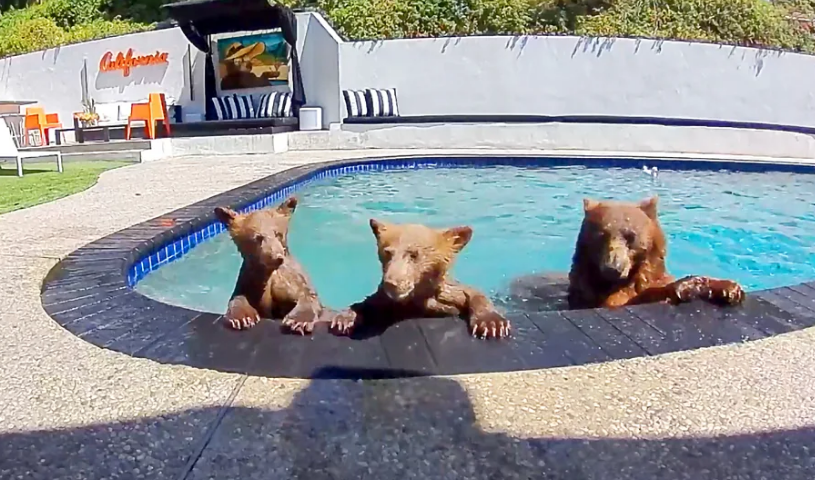
Brian Gordon bought a house in Monrovia, California, where bears live. “I’d never seen a bear,” he said. At first he was ____1____ of them and planned to build a wall. Soon they came every week. Some of them ____2____ the fence and looked for food.
“Bears have crashed our barbecues,” Gordon said. He and his partner Ricardo tried to ____3____ the bears away. They shouted and played music. But it felt wrong.
So the couple changed their ____4____. They stopped chasing the bears. Now they keep a healthy ____5____ from them. When a bear comes near, they stay inside and wait until it leaves.
“Food is the biggest problem,” says Wilson Sherman, a wildlife researcher. He tells people never to ____6____ food or rubbish outside. If bins are easy to open, bears come back. So neighbours should lock their bins ____7____.
The same bears return every year. Maddie, a ____8____ young bear, looks into everything. Punky once got on a big toy in the pool. Then she ____9____ slowly across the water and fell asleep.
California has more than 60,000 black bears. Attacks on people are ____10____ rare. Last year a bear named Blondie was killed after frightening a woman. Thousands signed a petition to save her. ____11____, the state says it only does this as a last resort.
Sherman has studied bears for years. He says the answer is to ____12____ what attracts bears, such as rubbish. It is a team effort. The Gordons take extra ____13____ now: doors stay closed and rubbish stays indoors.
Martinez once found a bear in the garage. “You never want to ____14____ a bear into a corner,” he said. Sherman warns against treating bears like cartoon characters. “They are not pets — they are still ____15____ animals,” he says.
1.1.
A proud
B afraid
C tired
D sure
解析:选B。 B 考查be afraid of(形容词+介词的固定搭配)。根据上文“I’d never seen a bear”可知,Gordon之前从没见过真熊,对熊只有耳闻;再看他“planned to build a wall”,可见起初是怕熊的。A项proud of(为……自豪)与砌墙防熊相反;C项tired of(厌倦)不合逻辑,他刚搬来还没和熊打过交道;D项sure of(对……有把握)也讲不通。故选B。
2.2.
A climbed
B built
C cleaned
D painted
解析:选A。A 考查一般过去时并列谓语(climbed ... and looked ...)。本句说它们“the fence and looked for food”,能翻过栅栏去找吃的,说明熊是爬进院子的。B项built(修建)、C项cleaned(打扫)、D项painted(粉刷)都是人对栅栏做的事,主语是熊,均不成立。故选A。
3.3.
A welcome
B carry
C drive
D throw
解析:选C。C 考查drive ... away(动词+副词短语,“把……赶走”)。根据下文“They shouted and played music”可知,两人最初用的是喊叫、放音乐这类吓唬手段,目的就是把熊赶走。A项welcome(欢迎)与“赶走”相反;B项carry(搬运)、D项throw(扔)都表达不出“驱赶”。故选C。
4.4.
A courage
B patience
C attitude
D mind
解析:选D。D 考查change one’s mind(固定搭配,“改变主意”)。根据上文“But it felt wrong”可知,驱赶黑熊让他们心里过意不去,所以夫妇俩改变的是想法。A 项 courage(勇气)、B 项 patience(耐心)、C 项 attitude(态度)虽然语法上均可与 change 搭配,但 change one's mind 是固定习语,特指“改变主意/决定”,正好承接上文“But it felt wrong”—— 他们原先决定驱赶熊,后来改变了这一决定。故选D。
5.5.
A distance
B promise
C record
D habit
解析:选A。A 考查keep a distance from(动词+名词+介词搭配)。根据下文“When a bear comes near, they stay inside and wait until it leaves”可知,熊靠近时他们待在屋里等它走,这正是“保持距离”的做法。B项promise(承诺)、C项record(记录)、D项habit(习惯)与keep a healthy ... from搭配后意思都不通顺。故选A。
6.6.
A buy
B cook
C leave
D eat
解析:选C。C 考查动词不定式否定式(tell sb. never to do sth.)与leave ... outside的搭配。根据上文“Food is the biggest problem”可知,食物是招来熊的最大原因,所以要“不要把食物或垃圾留在外面”。A项buy(买)、B项cook(烹饪)、D项eat(吃)都不能与rubbish搭配,也不是招熊的原因。故选C。
7.7.
A suddenly
B properly
C quietly
D cheaply
解析:选B。B 考查副词修饰动词(lock ... properly)。根据上文“If bins are easy to open, bears come back”可知,垃圾桶容易被打开熊就会再来,所以要“把垃圾桶锁好”,properly(妥当地)正好回应easy to open。A项suddenly(突然)、C项quietly(安静地)、D项cheaply(便宜地)都与防熊无关。故选B。
8.8.
A sleepy
B lazy
C shy
D curious
解析:选D。D 考查形容词作定语(依后文线索定词)。本句说Maddie“looks into everything”(什么都想看个究竟),说明她是一只好奇的熊。A项sleepy(贪睡的)、B项lazy(懒惰的)、C项shy(害羞的)都与“什么都看”的表现相反。故选D。
9.9.
A floated
B jumped
C walked
D slipped
解析:选A。A 考查动词词义辨析与slowly的搭配限制。根据上文“Punky once got on a big toy in the pool”可知,她趴在泳池的玩具上,本句又有slowly和fell asleep,只有float(漂浮)能又慢又稳地“漂过”水面。B项jumped(跳)是瞬间动作,不能与slowly连用;C项walked(走)无法在水面上进行;D项slipped(滑倒)与“然后睡着”的情节不符。故选A。
10.10.
A hardly
B nearly
C extremely
D only
解析:选C。C 考查程度副词修饰形容词(extremely rare)。根据上文“more than 60,000 black bears”和下文只举出Blondie一例可知,熊虽多,袭人事件却极少。A项hardly(几乎不)本身含否定,不能再修饰rare;B项nearly(几乎)、D项only(仅仅)都不能与rare搭配。故选C。
11.11.
A Therefore
B However
C Besides
D Instead
解析:选B。B 考查句首连接副词表转折。根据上文“Thousands signed a petition to save her”可知,民众联名求情,而本句说州政府“only does this as a last resort”(只在万不得已时才这么做),前后是转折关系。A项Therefore(因此)表因果;C项Besides(此外)表递进;D项Instead(相反)多用于“取而代之”。故选B。
12.12.
A count
B sell
C watch
D remove
解析:选D。D 考查动词词义辨析(不定式to do作表语)。本句说“the answer is to __ what attracts bears, such as rubbish”,既然垃圾这类东西会招来熊,解决办法就是把它们“移走”。A项count(清点)、B项sell(卖掉)、C项watch(观察)都解决不了招熊的问题。故选D。
13.13.
A care
B money
C time
D space
解析:选A。A 考查take extra care(动词+名词固定搭配,“格外小心”)。冒号后的解释“doors stay closed and rubbish stays indoors”说明这家人处处防范,take extra care正合此意。B项money(钱)、C项time(时间)、D项space(空间)与后文的防范措施都对不上。故选A。
14.14.
A invite
B carry
C push
D take
解析:选C。C 考查push ... into a corner(动词+宾语+介词短语,“把……逼进角落”)。根据上文 “Martinez once found a bear in the garage”可知,熊被堵在车库里无处可退时最危险,所以“永远不要把熊逼进角落”。A项invite(邀请)、B项carry(搬运)、D项take(带走)都是人主动带熊去某处的动作,与“熊被逼入绝境才危险”的语境不符。故选C。
15.15.
A clever
B wild
C friendly
D lonely
解析:选B。B 考查形容词作定语。根据上文“Sherman warns against treating bears like cartoon characters”可知,他反对把熊当成卡通角色,本句又说“not pets”,可见熊仍是“野生的”动物。A项clever(聪明的)、C项friendly(友好的)、D项lonely(孤独的)都与这一警告的语气不符。故选B。