
高迪的巴塞罗那:在自然曲线中漫游
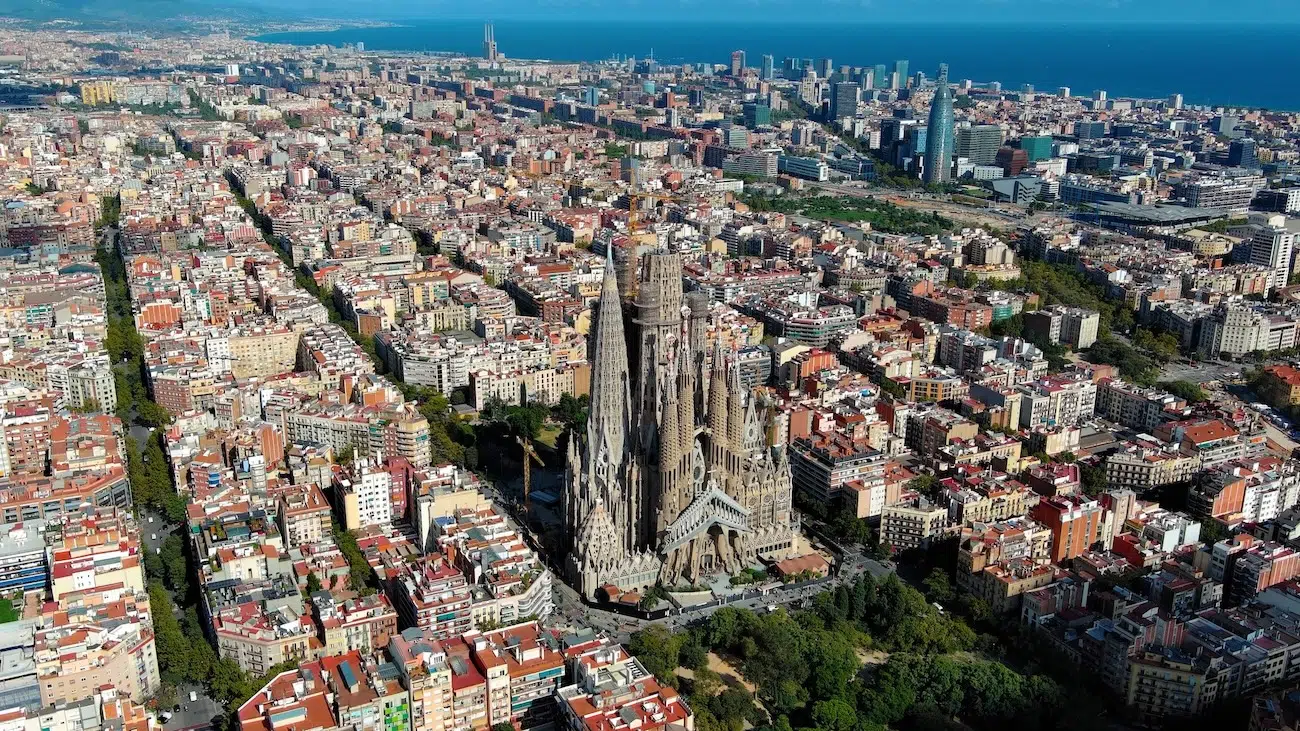
Barcelona is the second-largest city in Spain. Its history goes back more than 2,000 years, when it began as a Roman colony. Yet the city has never been trapped in the past.Today visitors come for its modern art, lively streets and wonderful food. Many of them, however, say that what truly defines Barcelona is the work of one man: the architect Antoni Gaudí.
Gaudí designed twelve buildings in the city, and several of them are now UNESCO World Heritage Sites. His buildings have become symbols of the city, drawing millions of visitors every year. His style, known as Modernisme (加泰罗尼亚现代主义), is easy to recognize. Instead of straight lines, he loved the curves he found in nature — waves, bones, trees and animals — and used bright colors to bring them to life.
His greatest work, the Sagrada Família, is a huge church that has been under construction since 1882. It is still unfinished today, and ticket sales and donations keep the work going. Three richly decorated entrances tell different religious stories, and inside, stone columns rise like a forest while colored glass fills the hall with light. Lines are often long and same-day tickets are hard to get, so it is wise to book ahead.
Gaudí's imagination shows in his houses, too. Casa Batlló, nicknamed the House of Bones, has balconies that look like skulls and a roof shaped like a dragon’s back. Casa Milà has almost no straight walls, and strange towers guard its roof like soldiers in helmets. At Park Güell, a housing project that failed as a business, broken tiles in bright colors now decorate long benches with fine views of the city and the sea.
A travel editor who toured the city offers simple advice: do not plan every hour. “Some of my favorite moments happened without any planning at all,” he says. One night, walking with no map, he came upon the city’s old church shining against the dark sky. In Barcelona, the best guide may simply be time and open eyes.
1.1. In Spain, what do we know about Gaudí’s buildings today?
A They are closed to tourists.
B They draw huge crowds yearly.
C They are all UNESCO sites.
D They stand for modern art.
解析:选B。B 细节理解题。第二段说Gaudí的建筑“have become symbols of the city, drawing millions of visitors every year”——它们已成为城市象征,每年吸引数百万游客,B“They draw huge crowds yearly”正是这一信息的同义转述。A“对游客关闭”与“drawing millions of visitors”正好相反;C“全部都是世界遗产”与原文不符,原文只说“several of them are now UNESCO World Heritage Sites”,是其中几座;D“代表现代艺术”是把第一段讲城市看点的modern art搬了过来,与他的建筑无关。故选B。
2.2. What can we learn about the Sagrada Família?
A No advance booking is needed.
B It was completed many years ago.
C Its design came from Roman models.
D Money decides how fast it grows.
解析:选D。D 推理判断题。第三段说这座教堂“has been under construction since 1882”、“is still unfinished today”,而“ticket sales and donations keep the work going”——工程靠门票和捐款推进,由此可推知,资金状况直接决定它的建造进度,D“Money decides how fast it grows”正是这一步推断的结果。A“不需要提前订票”与同段“Lines are often long and same-day tickets are hard to get, so it is wise to book ahead.”相反,原文恰恰提醒游客提前订票;B“多年前已完工”与“still unfinished”冲突;C“设计源自罗马”是把第一段讲城市起源的罗马殖民地信息搬到了这里。故选D。
3.3. What do Casa Batlló, Casa Milà and Park Güell have in common?
A They were built as private homes.
B They stand along one busy avenue.
C They all borrow shapes from nature.
D They were designed to honor battles.
解析:选C。C 推理判断题。第二段点明Gaudí的风格“Instead of straight lines, he loved the curves he found in nature”,第四段三处案例与之呼应:Casa Batlló的屋顶像龙背、Casa Milà几乎没有直墙、Park Güell用彩色碎瓦装饰长凳——它们的共同点是从自然中取形。A说“都建作私人住宅”,Park Güell如今是公园;B“都位于同一条大街上”——原文对三处地点的方位只字未提,属于无中生有;D说“为纪念战役而设计”,文中没有提到。故选C。
4.4. What is the travel editor’s attitude to planning every hour of a trip?
A Doubtful.
B Favourable.
C Indifferent.
D Unclear.
解析:选A。A 观点态度题。这位编辑给出的建议是“do not plan every hour”,还说“Some of my favorite moments happened without any planning at all”,并讲了夜晚偶遇老教堂的经历——可见他对“把每小时都排满”的做法持怀疑态度,故选Doubtful。B“Favourable”表示支持把每小时都排满,与编辑的建议相反;它可能表示对巴塞罗那的喜爱,但不对应本题所问;C“漠不关心”与D“不清楚”都与他明确的建议和亲身经历不符。故选A。