
读懂他人视角,守护内心成长
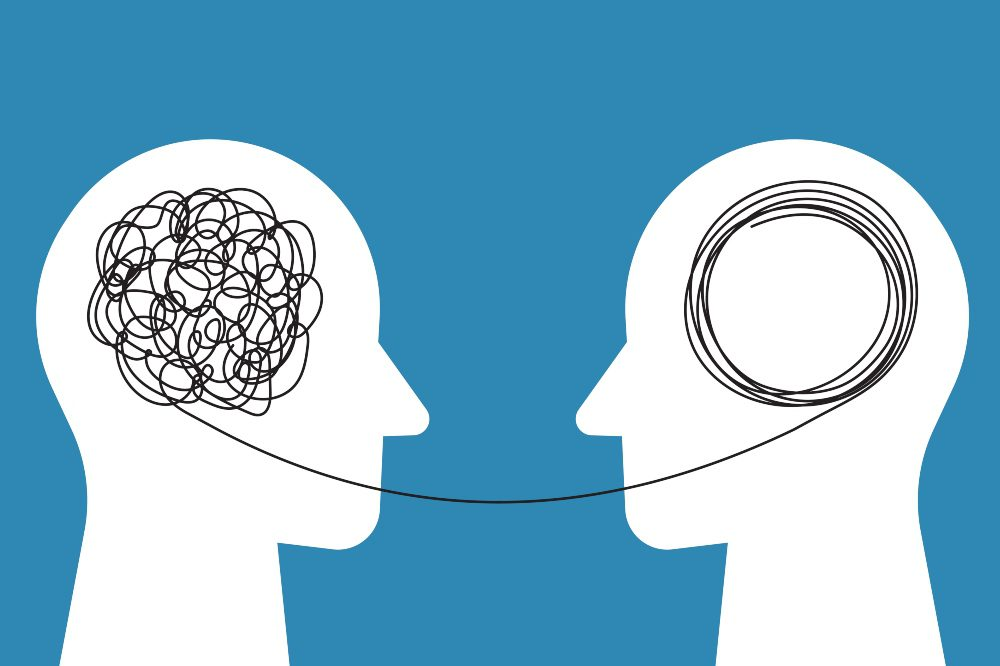
Teaching children empathy is valuable because it helps them understand and connect with others.As psychologists suggest, “We are all in our own bubble, with our own unique perspective on the world, and it is crucial for our personal development to understand how other people experience the world…to be truly empathetic, you need to actively think about the concerns of others.”Several effective strategies can foster empathy in children.
Art has the power to transcend words and express emotions in ways that words sometimes cannot. Engaging children in art projects that focus on expressing emotions can be a wonderful way to further deepen their understanding of empathy. Through painting, drawing, or crafting, children can visually represent different emotions they may have experienced or observed in others. Encouraging children to use colors, shapes, and textures to convey feelings helps them explore the complexity of emotions in a tangible and creative way. These art projects not only serve as a form of self-expression but also foster empathy by helping children recognize emotions in themselves and others.
One way to further explore different perspectives and enhance empathy in children is through role-playing games. By stepping into the shoes of different characters and experiencing situations from various viewpoints, children can develop a deeper understanding of how others feel and what they may be going through. These games can range from improvisational scenarios to structured simulations, allowing children to practice empathy in a fun and interactive way. As they navigate through different roles and scenarios, children can gain valuable insights into the complexities of human emotions and relationships.
Storytelling is a powerful tool that can help children put themselves in someone else’s shoes and see the world from a different perspective. By engaging in storytelling activities that focus on characters experiencing various emotions, children can practice recognizing and empathizing with different feelings. Encouraging them to imagine how the characters might feel in different situations can help them develop a greater awareness of others’ emotions and experiences. Through these storytelling activities, children can expand their emotional vocabulary and strengthen their ability to empathize with others.
原创编写 版权所有 侵权必究 每日更新 个性化阅读 英语飙升
1.1. What does being truly empathetic require?
A Thinking about others’ needs.
B Sharing one’s own feelings.
C Judging others’ behaviour.
D Avoiding personal bubbles.
解析:选A。A 细节理解题。第一段引用的观点说得很清楚:“to be truly empathetic, you need to actively think about the concerns of others”——真正有共情能力,需要主动去想别人在意什么,A“Thinking about others’ needs”正是这句的同义转述。B“分享自己的感受”讲的是表达自己,方向与“理解他人”相反;C“评判别人的行为”文中没有提到;D“避开自己的泡泡”是把原文“We are all in our own bubble”(我们每个人都活在自己的泡泡里)当成了一条建议,原文只是在陈述一种状态。故选A。
2.2. What does the underlined word “transcend” in Paragraph 2 probably mean?
A Take over.
B Hold back.
C Go beyond.
D Break down.
解析:选C。C 词义猜测题。画线词所在句是“Art has the power to transcend words and express emotions in ways that words sometimes cannot”,后半句给出对比线索:艺术表达情感的方式是“words sometimes cannot”(语言有时做不到)——可见 transcend 意为 “超出于……之外”,与 C “Go beyond”同义。A “接管”、B“阻止”、D“拆解”放回原句虽都合语法,但都推不出“语言做不到的事艺术能做到”这层意思。故选 C。
3.3. What do role-playing games and storytelling both do?
A Need special materials.
B Improve writing skills.
C Use other people’s stories.
D Explore others’ feelings.
解析:选D。D 推理判断题。第三段说孩子扮演不同角色、从不同视角体验情境后,“can develop a deeper understanding of how others feel”;第四段说讲故事让孩子“practice recognizing and empathizing with different feelings”——两项活动的共同点都是让孩子去体会别人的感受,D“Explore others’ feelings”是这两处的综合。A“需要特殊材料”文中没有提到;B“提高写作能力”是对第四段“expand their emotional vocabulary”(扩充情感词汇)的曲解;C“使用别人的故事”只对应第四段的讲故事,角色扮演游戏并不需要故事。故选D。
4.4. What is the text mainly about?
A Art projects for young children.
B Ways to develop children’s empathy.
C Books about children’s feelings.
D Games played in classrooms.
解析:选B。B 主旨大意题。文章先说明共情能力对孩子很重要,随后依次给出三种做法:用美术活动把情绪表达出来(第二段)、用角色扮演体验不同视角(第三段)、用讲故事体会角色的感受(第四段),B“Ways to develop children’s empathy”最能概括全文。A“幼儿美术活动”只覆盖第二段;C“关于孩子情感的书”只对应第四段的讲故事;D“课堂上的游戏”只覆盖第三段的角色扮演——三项都以偏概全。故选B。