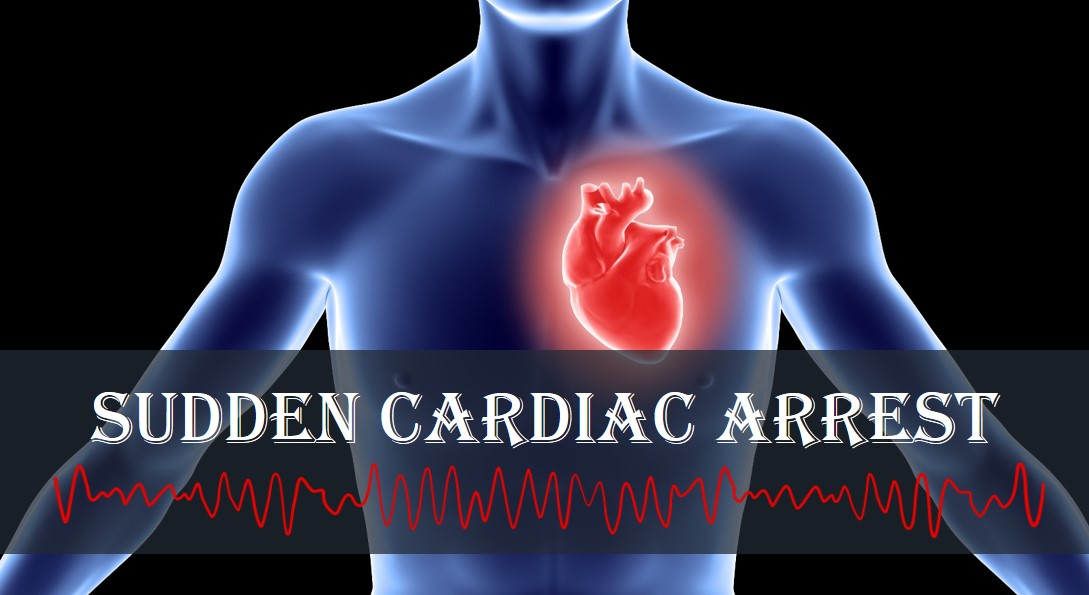
毫无征兆就倒地?一文读懂心脏骤停

时文摘要

心脏骤停来势汹汹,常无征兆。掌握急救知识与健康习惯,才能在关键时刻为生命赢得生机。

Sudden cardiac arrest is a sudden loss of all heart activity due to an irregular heart rhythm. When this happens, breathing stops and the person becomes unconscious. Without immediate treatment, it can lead to death. Emergency treatment includes CPR and the use of an AED. Survival is possible with fast and proper medical care.

Symptoms of sudden cardiac arrest are immediate and severe: sudden collapse, no pulse, no breathing, and loss of consciousness. Sometimes other symptoms may appear before it happens, such as chest discomfort, shortness of breath, weakness, or a fast-beating or pounding heartbeat. However, because sudden cardiac arrest often occurs with no warning at all, knowing how to respond in the moment is critical.

If you see someone who is unconscious and not breathing, call emergency services immediately and start CPR. Push hard and fast on the person’s chest, about 100 to 120 compressions per minute. If you have been trained in CPR, give rescue breaths after every 30 chest compressions. If not, just keep doing chest compressions until an AED is available or help arrives. Acting quickly in this way is essential, but understanding why cardiac arrest happens can help in both prevention and response.

The most common cause of sudden cardiac arrest is an irregular heart rhythm called ventricular fibrillation. Rapid and uncontrolled heart signals cause the lower heart chambers to quiver without effect instead of pumping blood. Several heart conditions can lead to this, including coronary artery disease, heart attack, an enlarged heart (cardiomyopathy), heart valve disease, heart problems present at birth, and heart signaling conditions such as long QT syndrome.


Because these potential conditions often develop from the same factors that affect overall heart health, the risk factors for sudden cardiac arrest match closely with those for heart disease, such as smoking, high blood pressure, obesity, diabetes, and an inactive lifestyle. Keeping the heart healthy may help prevent sudden cardiac arrest. Take these steps: eat healthy; stay active and get regular exercise; do not smoke or use tobacco; have regular checkups; get screened for heart disease; and control blood pressure and cholesterol (胆固醇).
原创编写 版权所有 侵权必究 每日更新 个性化阅读 英语飙升

1. 1. Why does the author mention “no warning at all” in paragraph 2?

A    To explain the difficulty of symptom identification.

B    To stress the necessity of immediate response.

C    To indicate the rarity of early signs.

D    To argue against preventive measures.

2. 2. What should an untrained person do in a cardiac arrest emergency?

A    Perform rescue breaths first.

B    Continue chest compressions.

C    Wait for an AED to arrive.

D    Check the pulse repeatedly.

3. 3. What does the underlined word“quiver” in paragraph 4 most likely mean?

A    Expand slowly.

B    Shake weakly.

C    Beat strongly.

D    Stop suddenly.

4. 4. What is the main purpose of the last paragraph?

A    To list heart disease symptoms.

B    To explain cardiac arrest causes.

C    To suggest heart-healthy habits.

D    To describe emergency response.

奇速优课平台

轻松创业线上机构

报名

奇速英语 · 2021英语冬令营

7天学会3年单词

报名

2021中高考英语冲刺

真题阅读30篇

报名

奇速英语同步培优

单元知识点讲解+单元过关手册+常考易错题

学习
更多优质学习内容
课程咨询

四川奇速教育科技有限公司

网站备案号:蜀ICP备14006206号-4
Copyright @ 2018
All Rights Reserved.

联系我们

400-1000-028

黄老师:17760376675
蒋老师:13980503458

奇速优课

奇速英语

咨询客服