毫无征兆就倒地?一文读懂心脏骤停
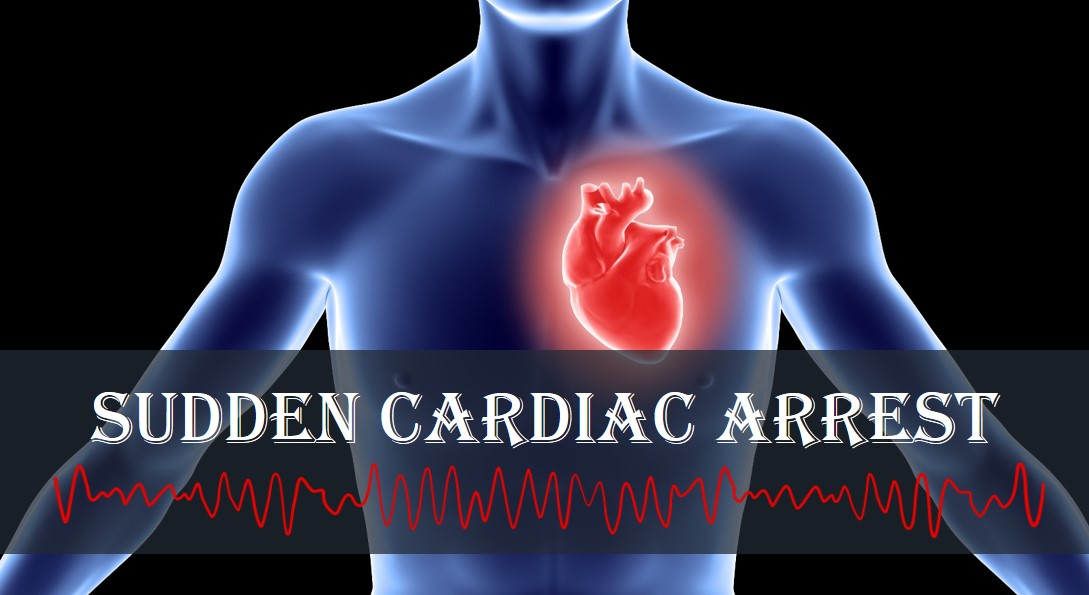
Sudden cardiac arrest is a sudden loss of all heart activity due to an irregular heart rhythm. When this happens, breathing stops and the person becomes unconscious. Without immediate treatment, it can lead to death. Emergency treatment includes CPR and the use of an AED. Survival is possible with fast and proper medical care.
Symptoms of sudden cardiac arrest are immediate and severe: sudden collapse, no pulse, no breathing, and loss of consciousness. Sometimes other symptoms may appear before it happens, such as chest discomfort, shortness of breath, weakness, or a fast-beating or pounding heartbeat. However, because sudden cardiac arrest often occurs with no warning at all, knowing how to respond in the moment is critical.
If you see someone who is unconscious and not breathing, call emergency services immediately and start CPR. Push hard and fast on the person’s chest, about 100 to 120 compressions per minute. If you have been trained in CPR, give rescue breaths after every 30 chest compressions. If not, just keep doing chest compressions until an AED is available or help arrives. Acting quickly in this way is essential, but understanding why cardiac arrest happens can help in both prevention and response.
The most common cause of sudden cardiac arrest is an irregular heart rhythm called ventricular fibrillation. Rapid and uncontrolled heart signals cause the lower heart chambers to quiver without effect instead of pumping blood. Several heart conditions can lead to this, including coronary artery disease, heart attack, an enlarged heart (cardiomyopathy), heart valve disease, heart problems present at birth, and heart signaling conditions such as long QT syndrome.
1. 4. What is the main purpose of the last paragraph?(段落大意)
A To list heart disease symptoms.
B To explain cardiac arrest causes.
C To suggest heart-healthy habits.
D To describe emergency response.